RBI Considers Plastic Notes
India may switch to plastic currency, replacing paper notes. Longer lifespan expected.
'%3E%3Crect%20width%3D'96'%20height%3D'96'%20fill%3D'%230B6E4F'%2F%3E%3Ccircle%20cx%3D'30'%20cy%3D'24'%20r%3D'44'%20fill%3D'%23fff'%20opacity%3D'.12'%2F%3E%3Ccircle%20cx%3D'60'%20cy%3D'74'%20r%3D'40'%20fill%3D'%23000'%20opacity%3D'.10'%2F%3E%3C%2Fg%3E%3Cg%20fill%3D'none'%20stroke%3D'%23fff'%20stroke-width%3D'3.2'%20stroke-linecap%3D'round'%20stroke-linejoin%3D'round'%3E%3Cpolyline%20points%3D'31%2C59%2041%2C49%2049%2C54%2063%2C37'%2F%3E%3Cpolyline%20points%3D'55%2C37%2063%2C37%2063%2C45'%2F%3E%3C%2Fg%3E%3C%2Fsvg%3E)
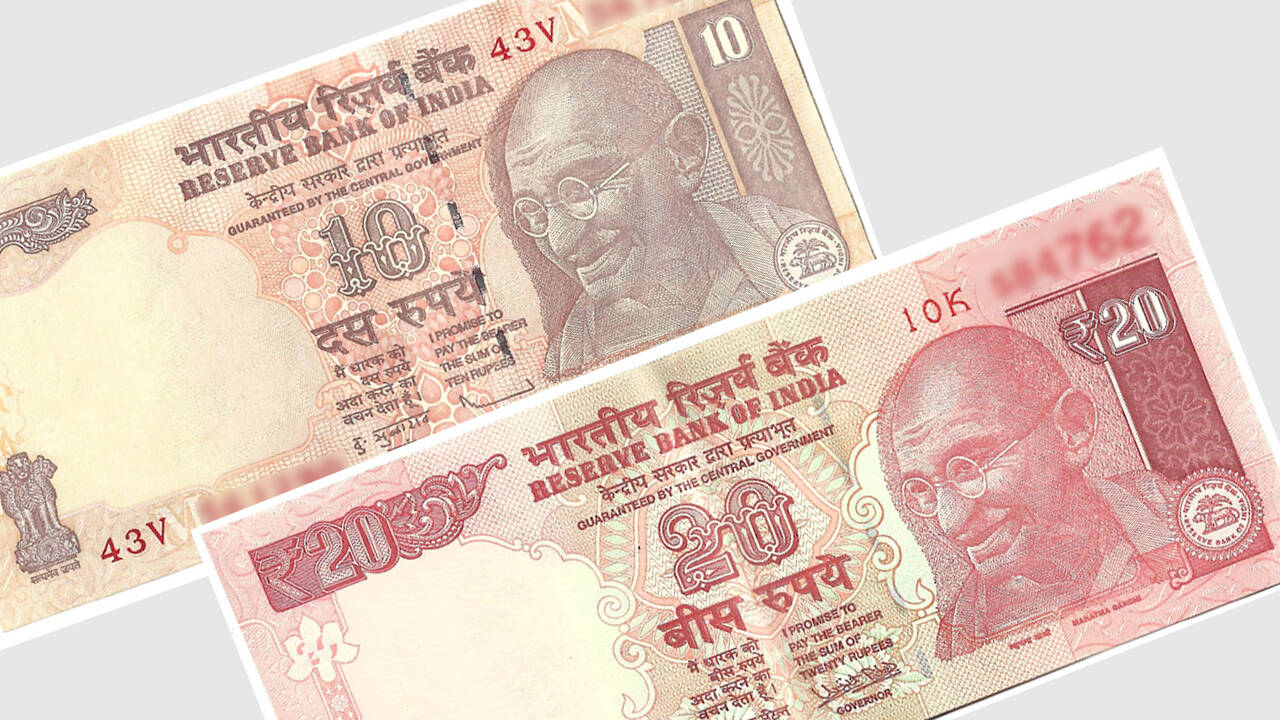
The Reserve Bank of India (RBI) has taken a significant step towards introducing plastic banknotes in the country. A tender has been floated to procure the necessary materials for the production of polymer notes. This development revives a proposal that has been under consideration for nearly two decades.
The primary advantage of polymer notes is their durability. Produced using a robust plastic film, these notes are more resistant to wear and tear compared to their paper counterparts. As a result, they have a longer lifespan and require less frequent replacement. This could lead to significant cost savings for the RBI in the long run.
The use of polymer notes is not a new concept globally. Several countries have already adopted this technology, citing its benefits in terms of durability and security. The RBI's consideration of plastic notes is a testament to the country's efforts to modernize its currency and reduce the environmental impact of paper note production.
The introduction of plastic notes would also have implications for the existing paper currency in circulation. It is likely that the RBI would gradually phase out paper notes, replacing them with the more durable plastic alternatives. However, the exact timeline and process for this transition have not been announced yet.
The RBI's decision to explore the use of polymer notes is a significant development in the country's financial sector. It reflects the central bank's commitment to innovation and its efforts to improve the efficiency of the currency system.
In the context of India's economy, the introduction of plastic notes could have far-reaching consequences. It could lead to a reduction in the costs associated with paper note production, which could have a positive impact on the country's fiscal deficit. Additionally, the use of plastic notes could also help to reduce the risk of counterfeiting, as these notes are more difficult to replicate.
The proposal to introduce plastic notes has been under consideration for nearly two decades, and its revival is a significant development. The RBI's decision to float a tender for the procurement of materials is a clear indication of its intention to move forward with the plan.
In conclusion, the introduction of plastic notes in India is a significant development that could have far-reaching consequences for the country's economy and financial sector. While the exact timeline and process for the transition are yet to be announced, the RBI's commitment to innovation and efficiency is a positive step forward.
Frequently asked questions
What are the benefits of plastic notes?
Plastic notes have a longer lifespan and are more resistant to wear and tear, requiring less frequent replacement.
Will paper notes be phased out?
Yes, it is likely that the RBI will gradually phase out paper notes and replace them with plastic notes.