Govt Rejects Ethanol Diversion Claims for Sugar Price Surge
Sugar prices rose to Rs 55.70/kg. Govt blames low output, hoarding, and festive demand.
'%3E%3Crect%20width%3D'96'%20height%3D'96'%20fill%3D'%23B3261E'%2F%3E%3Ccircle%20cx%3D'30'%20cy%3D'24'%20r%3D'44'%20fill%3D'%23fff'%20opacity%3D'.12'%2F%3E%3Ccircle%20cx%3D'60'%20cy%3D'74'%20r%3D'40'%20fill%3D'%23000'%20opacity%3D'.10'%2F%3E%3C%2Fg%3E%3Cg%20fill%3D'%23fff'%3E%3Crect%20x%3D'29'%20y%3D'49'%20width%3D'8'%20height%3D'19'%20rx%3D'1'%2F%3E%3Crect%20x%3D'39'%20y%3D'40'%20width%3D'9'%20height%3D'28'%20rx%3D'1'%2F%3E%3Crect%20x%3D'50'%20y%3D'45'%20width%3D'8'%20height%3D'23'%20rx%3D'1'%2F%3E%3Crect%20x%3D'60'%20y%3D'53'%20width%3D'7'%20height%3D'15'%20rx%3D'1'%2F%3E%3Crect%20x%3D'41'%20y%3D'34'%20width%3D'5'%20height%3D'6'%2F%3E%3C%2Fg%3E%3C%2Fsvg%3E)
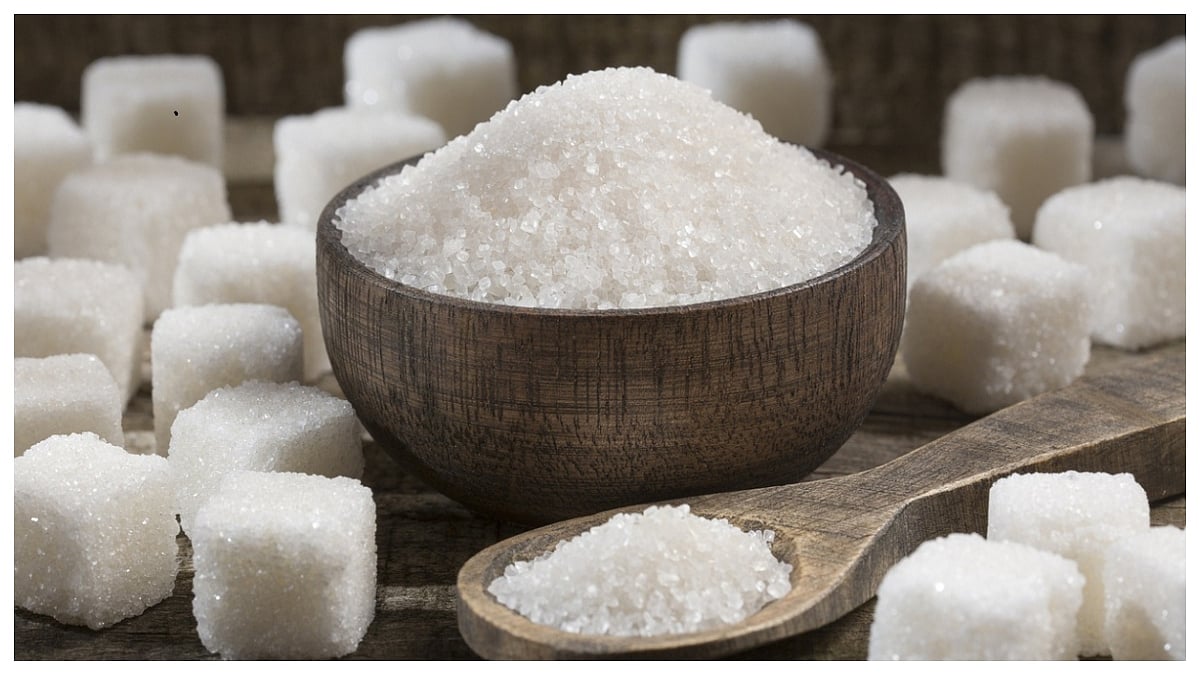
The government has rejected claims that the diversion of sugar for ethanol production is driving the sharp rise in sugar prices. Instead, it attributes the increase to lower domestic output, festive-season demand, and hoarding.
The Ministry of Consumer Affairs, Food & Public Distribution stated that the share of sugar diverted for ethanol production has declined to around 9% in the 2025-26 season from 12% in 2022-23. Nearly three-fourths of India's ethanol production now comes from grains, particularly maize.
Retail sugar prices rose to Rs 55.70 a kg on August 20 from Rs 48.18 a kg on July 20. The government attributed the increase to lower-than-expected sugar production, stronger demand ahead of the festive season, weather-related crop damage, tightening global supplies, and speculation and hoarding by some sections of the industry.
To curb the price rise and ensure adequate availability, the government has imposed a stock limit of 400 tonnes on sugar dealers nationwide until November 30. From September 1, bulk consumers will also be barred from holding stocks exceeding 15 days of consumption.
The government has also approved duty-free imports of 1 million tonnes of raw sugar and ordered physical verification of stocks at mills by joint central and state government teams to check hoarding and artificial scarcity. Domestic sugar production in the current season is expected to be around 30.6 million tonnes, compared with an initial estimate of about 34.3 million tonnes.
The shortfall is attributed to Red Rot and Top Borer diseases affecting sugarcane, as well as waterlogging caused by excess rainfall. Existing stocks remain adequate to meet domestic demand until the new crushing season begins in October.
The global market is also facing tighter supplies, with the government estimating a sugar deficit of about 3.3 million tonnes in 2026-27. International sugar prices have risen more than 16% to USD 552 a tonne on August 20 from USD 474 a tonne on June 30.
The government said the ethanol programme has helped address structural surpluses in the sugar industry, strengthening mill finances and improving payments to farmers. India typically produces 32-34 million tonnes of sugar annually against domestic consumption of about 28-29 million tonnes.
In surplus years, excess inventories can lock up working capital at mills and contribute to delays in payments to sugarcane farmers. The government's measures aim to stabilize sugar prices and ensure a smooth supply of sugar to consumers.
The situation highlights the complexities of the sugar industry and the need for effective management of supply and demand. As the festive season approaches, the government's efforts to contain prices and prevent hoarding will be crucial in maintaining stability in the market.
The impact of the sugar price surge will be felt by consumers across the country, particularly during the festive season when demand is high. The government's measures to address the issue will be closely watched by the industry and consumers alike.
In conclusion, the government's rejection of ethanol diversion claims and its measures to address the sugar price surge aim to stabilize the market and ensure a smooth supply of sugar to consumers. The situation underscores the need for effective management of the sugar industry and the importance of addressing structural issues to prevent such crises in the future.
Frequently asked questions
Why are sugar prices rising in India?
The government attributes the increase to lower domestic output, festive-season demand, and hoarding.
What measures has the government taken to address the sugar price surge?
The government has imposed a stock limit of 400 tonnes on sugar dealers, approved duty-free imports of 1 million tonnes, and ordered physical verification of stocks at mills.