US Converts 4.2 Tons of Radioactive Waste to Glass Daily
The US is turning radioactive tank waste into glass. The process aims for safer storage.
'%3E%3Crect%20width%3D'96'%20height%3D'96'%20fill%3D'%23B3261E'%2F%3E%3Ccircle%20cx%3D'30'%20cy%3D'24'%20r%3D'44'%20fill%3D'%23fff'%20opacity%3D'.12'%2F%3E%3Ccircle%20cx%3D'60'%20cy%3D'74'%20r%3D'40'%20fill%3D'%23000'%20opacity%3D'.10'%2F%3E%3C%2Fg%3E%3Cg%20fill%3D'%23fff'%3E%3Crect%20x%3D'29'%20y%3D'49'%20width%3D'8'%20height%3D'19'%20rx%3D'1'%2F%3E%3Crect%20x%3D'39'%20y%3D'40'%20width%3D'9'%20height%3D'28'%20rx%3D'1'%2F%3E%3Crect%20x%3D'50'%20y%3D'45'%20width%3D'8'%20height%3D'23'%20rx%3D'1'%2F%3E%3Crect%20x%3D'60'%20y%3D'53'%20width%3D'7'%20height%3D'15'%20rx%3D'1'%2F%3E%3Crect%20x%3D'41'%20y%3D'34'%20width%3D'5'%20height%3D'6'%2F%3E%3C%2Fg%3E%3C%2Fsvg%3E)
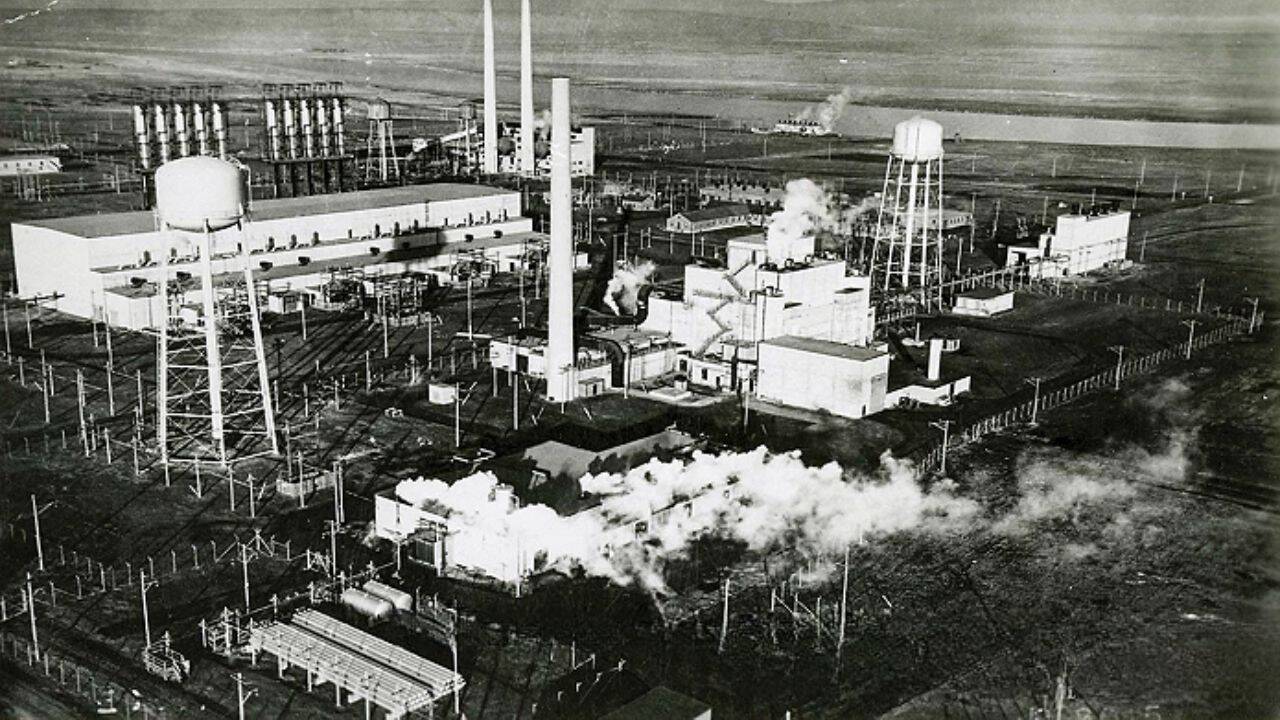
The Hanford Site in the US, once a key location for the country's nuclear program during the Cold War, has been dealing with a significant amount of hazardous radioactive waste. The site generated millions of gallons of waste, posing a major environmental and health risk. To address this issue, the Vit Plant has been utilizing a process called vitrification, which transforms the radioactive material into glass for safer long-term storage.
The vitrification process involves mixing the radioactive waste with glass-forming materials and then heating it to extremely high temperatures, resulting in a solid glass product. This process is considered a crucial step in managing the hazardous waste, as it reduces the risk of leakage and contamination.
The Vit Plant has recently started processing actual nuclear waste, marking a significant milestone in the cleanup efforts. The plant aims to produce glass consistently, with a daily target of 4.2 metric tons. This achievement is a result of years of planning, construction, and testing, and it is expected to play a vital role in the safe storage of radioactive waste.
The Hanford Site's history dates back to the 1940s, when it was established as part of the Manhattan Project. Over the years, the site has undergone significant changes, with various facilities being built and decommissioned. However, the legacy of radioactive waste has remained a major concern, with efforts being made to clean up the site and ensure safe storage of the hazardous materials.
The vitrification process is not only being used at the Hanford Site but also at other locations around the world. The technology has been developed and refined over the years, with various countries adopting it as a means of managing their own radioactive waste.
The US Department of Energy has been overseeing the cleanup efforts at the Hanford Site, with a focus on ensuring the safe storage of radioactive waste. The department has been working closely with other agencies, contractors, and stakeholders to achieve this goal.
The conversion of radioactive waste into glass is a significant step forward in the management of hazardous materials. It is expected to reduce the risks associated with storage and disposal, providing a safer environment for future generations.
In terms of global implications, the successful implementation of the vitrification process at the Hanford Site could serve as a model for other countries dealing with similar issues. The technology has the potential to be adapted and applied in various contexts, providing a valuable solution for the safe storage of radioactive waste.
The daily production of 4.2 metric tons of glass from radioactive waste is a notable achievement, demonstrating the effectiveness of the vitrification process. As the Vit Plant continues to operate and refine its processes, it is expected to play a vital role in the safe storage of radioactive waste, reducing the risks associated with this hazardous material.
The cleanup efforts at the Hanford Site are ongoing, with the vitrification process being a key component. The US Department of Energy and other stakeholders are committed to ensuring the safe storage of radioactive waste, and the successful implementation of this technology is a significant step towards achieving this goal.
In conclusion, the conversion of radioactive waste into glass is a major breakthrough in the management of hazardous materials. The vitrification process has the potential to reduce the risks associated with storage and disposal, providing a safer environment for future generations. As the technology continues to be developed and refined, it is expected to play a vital role in the safe storage of radioactive waste, both in the US and around the world.
Frequently asked questions
What is the vitrification process used for?
The vitrification process is used to transform radioactive waste into glass for safer long-term storage.
How much glass is produced daily at the Vit Plant?
The Vit Plant produces 4.2 metric tons of glass daily.