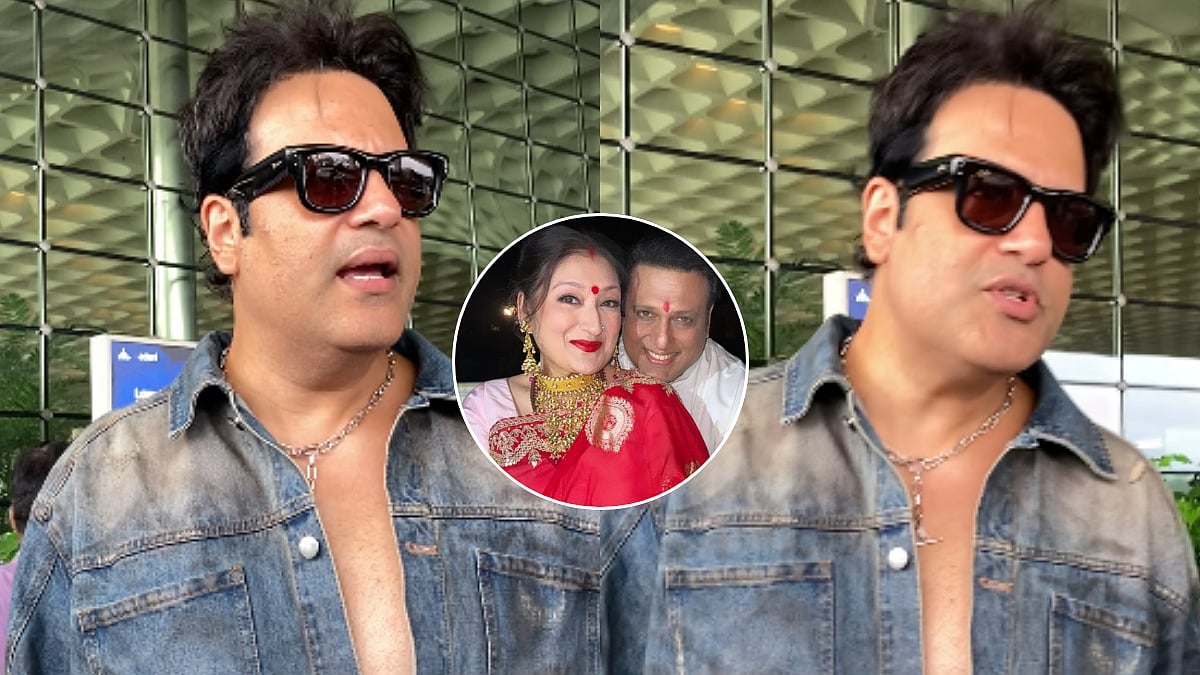
Suzanne Bernert Criticises Kriti Sanon's Raksha Bandhan Ad
Actress Suzanne Bernert slams Kriti Sanon's ad, calls it inappropriate.
'%3E%3Crect%20width%3D'96'%20height%3D'96'%20fill%3D'%23C2185B'%2F%3E%3Ccircle%20cx%3D'30'%20cy%3D'24'%20r%3D'44'%20fill%3D'%23fff'%20opacity%3D'.12'%2F%3E%3Ccircle%20cx%3D'60'%20cy%3D'74'%20r%3D'40'%20fill%3D'%23000'%20opacity%3D'.10'%2F%3E%3C%2Fg%3E%3Cpath%20fill%3D'%23fff'%20d%3D'M48%2031%20l4.6%2010.2%2011.2%201%20-8.4%207.5%202.5%2011%20-9.9%20-5.8%20-9.9%205.8%202.5%20-11%20-8.4%20-7.5%2011.2%20-1%20z'%2F%3E%3C%2Fsvg%3E)
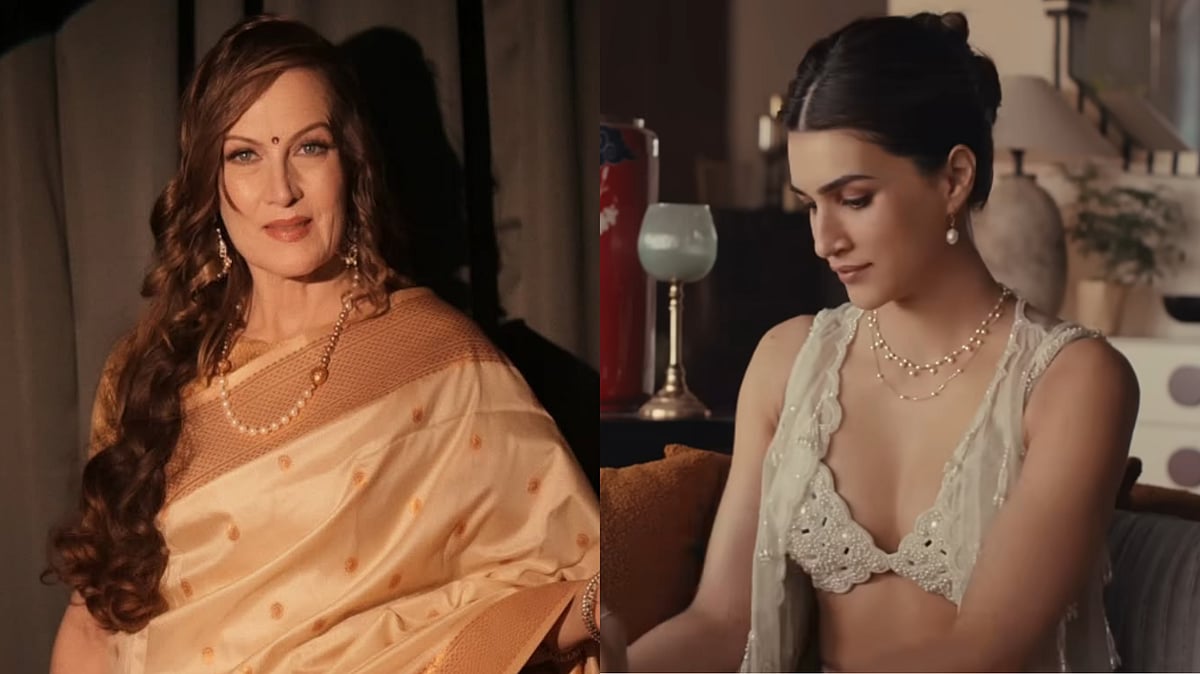
Actress Suzanne Bernert has spoken out against Kriti Sanon's recent Raksha Bandhan advertisement for jewellery brand Giva, calling it inappropriate and misguided. The ad, which features Kriti Sanon wearing a bralette-style blouse and cape, has sparked a heated debate on social media, with many users criticising the styling and presentation of the festival.
Suzanne Bernert, who was born and raised in Germany, shared her opinion on the matter, stating that even from her liberal perspective, the ad was off the mark. She said that Raksha Bandhan is a beautiful festival with deep meaning, but the ad made it look like a party. Bernert's comments led to a discussion among users, with some criticising the idea of women choosing their clothing regardless of the setting and context.
Responding to the comment, Suzanne said that wearing less clothes being sold as empowerment was one of the biggest disservices done to women. She explained that she has always approached the festival in a simple and comfortable manner, tying rakhi without dressing up. However, she pointed out that the ad could influence younger viewers and that it was irresponsible to present the festival in such a way.
The advertisement has received mixed reactions online, with many users criticising Kriti's outfit and questioning the creative approach used for a campaign associated with Raksha Bandhan. Some social media users accused the brand of allegedly making light of an Indian festival, while others directed criticism at the jewellery brand. The inclusion of a dog in the advertisement also became a point of discussion, with some users finding it strange and others seeing it as a positive representation of the bond between humans and animals.
Kriti Sanon has not yet publicly responded to the criticism, but the debate surrounding the ad continues to rage on social media. The controversy highlights the challenges of representing traditional festivals in a modern and appealing way, without offending cultural sensitivities.
The Raksha Bandhan festival is a significant occasion in Indian culture, celebrating the bond between brothers and sisters. It is traditionally marked by the tying of a rakhi, a thread or bracelet, around the brother's wrist as a symbol of protection and love. The festival is an important part of Indian heritage, and its representation in media and advertising is closely watched by the public.
In recent years, there has been a growing trend of brands using traditional festivals as a marketing opportunity, often with mixed results. While some campaigns have been successful in capturing the spirit of the festival, others have been criticised for being insensitive or culturally inappropriate.
The controversy surrounding Kriti Sanon's Raksha Bandhan ad serves as a reminder of the importance of cultural sensitivity and respect in advertising and media representation. As brands continue to navigate the complex landscape of cultural representation, they must be mindful of the potential impact of their campaigns on different audiences and communities.
In conclusion, the debate surrounding Kriti Sanon's Raksha Bandhan ad highlights the challenges of representing traditional festivals in a modern and appealing way, while also respecting cultural sensitivities. As the conversation continues, it is essential to consider the potential impact of such campaigns on different audiences and communities, and to strive for greater cultural sensitivity and respect in advertising and media representation.
Frequently asked questions
What is the controversy surrounding Kriti Sanon's Raksha Bandhan ad?
The ad has been criticised for its styling and presentation of the festival, with some users finding Kriti's outfit inappropriate and others accusing the brand of making light of an Indian festival.
How has Suzanne Bernert responded to the controversy?
Suzanne Bernert has spoken out against the ad, calling it inappropriate and misguided, and stating that wearing less clothes being sold as empowerment was one of the biggest disservices done to women.