Supreme Court Questions Magistrate Over ₹5 Lakh Bond Notice To Student
Supreme Court reacts to notice issued to student, Supreme Court questions magistrate's action
'%3E%3Crect%20width%3D'96'%20height%3D'96'%20fill%3D'%231A5276'%2F%3E%3Ccircle%20cx%3D'30'%20cy%3D'24'%20r%3D'44'%20fill%3D'%23fff'%20opacity%3D'.12'%2F%3E%3Ccircle%20cx%3D'60'%20cy%3D'74'%20r%3D'40'%20fill%3D'%23000'%20opacity%3D'.10'%2F%3E%3C%2Fg%3E%3Cg%20fill%3D'%23fff'%3E%3Cpath%20d%3D'M31%2041%20L48%2031%20L65%2041%20Z'%2F%3E%3Crect%20x%3D'33'%20y%3D'43'%20width%3D'4'%20height%3D'17'%2F%3E%3Crect%20x%3D'41'%20y%3D'43'%20width%3D'4'%20height%3D'17'%2F%3E%3Crect%20x%3D'51'%20y%3D'43'%20width%3D'4'%20height%3D'17'%2F%3E%3Crect%20x%3D'59'%20y%3D'43'%20width%3D'4'%20height%3D'17'%2F%3E%3Crect%20x%3D'30'%20y%3D'62'%20width%3D'36'%20height%3D'4'%20rx%3D'1'%2F%3E%3C%2Fg%3E%3C%2Fsvg%3E)
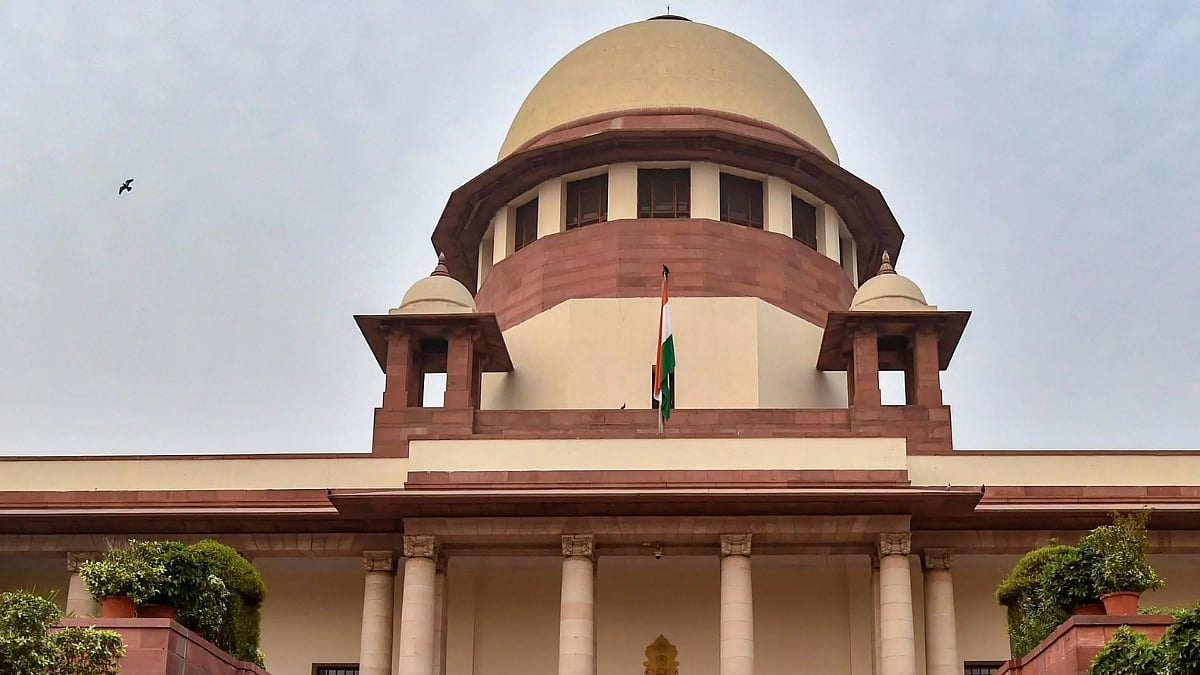
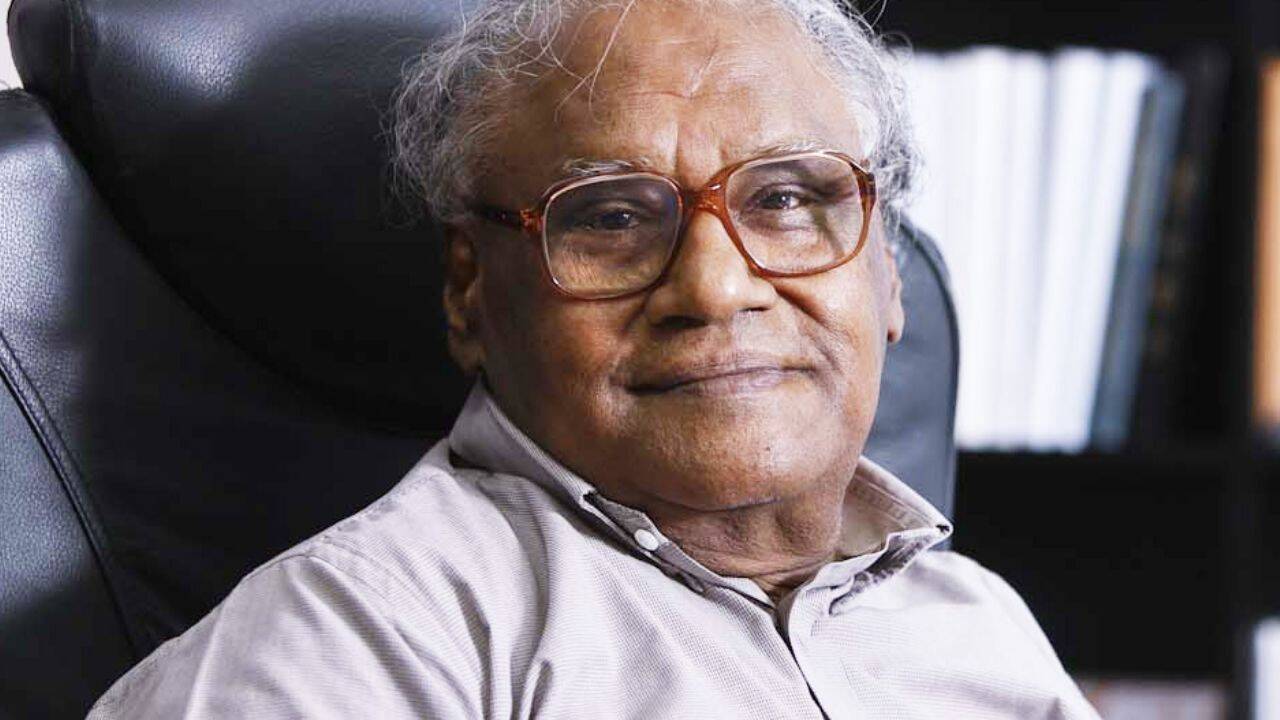
The Supreme Court on Wednesday questioned the Greater Noida Executive Magistrate over a notice issued to a university student requiring him to explain why he should not be asked to furnish a personal bond of ₹5 lakh to maintain peace. The notice was issued after a police report alleged that the student, Akshat Tripathi, was encouraging others to participate in proposed student protests by the Cockroach Janata Party (CJP).
The matter was brought before a Bench led by the Chief Justice of India through oral mentioning by Senior Advocate Bishwajit Bhattacharyya. The lawyer pointed out that the notice was issued despite an earlier Supreme Court order quashing FIRs related to the CJP student protests and directing that no coercive action be taken against students in connection with those protests.
According to reports, Bhattacharyya told the Court that the notice had been issued to a second-year student of Gautam Buddha University based on inputs from the Noida Police. He said the notice was reportedly later withdrawn after the matter came to public attention. The senior advocate argued that the issuance of the notice amounted to a prima facie violation of the Supreme Court's directions and created a climate of fear among students.
Reacting to the submission, the CJI questioned how the Executive Magistrate could issue such a notice when the Supreme Court had expressly barred coercive action against students. The CJI observed that no Magistrate could violate the Court's order. Justice Joymalya Bagchi asked whether any cause of action survived if the notice had already been withdrawn.
Bhattacharyya responded that withdrawing the notice would not necessarily erase the alleged contempt, arguing that contempt is committed when an order of the Court is violated. The notice was issued by the Court of the Executive Magistrate III, Greater Noida, against Akshat Tripathi, under Sections 126 and 135 of the Bharatiya Nagarik Suraksha Sanhita (BNSS).
The proceedings were initiated after a police report alleged that Tripathi was attempting to mobilise students for a proposed protest. The police alleged that Tripathi was “spreading and instigating anti-government misleading talks” among university students and encouraging them to participate in a proposed dharna by the CJP.
The police report further claimed that his alleged activities had created considerable tension and could result in fighting, quarrelling and a breach of peace and public order. The Executive Magistrate recorded satisfaction with the contents of the police report and found sufficient grounds to initiate preventive proceedings under Sections 126 and 135 of the BNSS.
The order, issued under Section 130 of the BNSS, directed Tripathi to show cause why he should not be required to execute a personal bond of ₹5 lakh to maintain peace. The Supreme Court's reaction to the notice is significant, as it highlights the importance of upholding the Court's orders and protecting the rights of students to peaceful protest.
In the context of the CJP student protests, the Supreme Court's earlier order quashing FIRs and directing no coercive action against students was a significant step towards ensuring that students' rights to freedom of speech and assembly are protected. The issuance of the notice by the Executive Magistrate, despite this order, raises concerns about the willingness of authorities to respect the Court's directions and the rights of students.
The Supreme Court's questioning of the Magistrate's action is a welcome step towards ensuring that the rule of law is upheld and that students' rights are protected. It is essential that authorities respect the Court's orders and ensure that students are not subjected to coercive action or intimidation for exercising their right to peaceful protest.
The significance of this case lies in its implications for the rights of students to peaceful protest and the importance of upholding the rule of law. The Supreme Court's reaction to the notice is a reminder that the Court is committed to protecting the rights of citizens, including students, and ensuring that authorities respect the Court's orders.
In conclusion, the Supreme Court's questioning of the Magistrate's action is a significant development in the CJP student protest case. It highlights the importance of upholding the Court's orders and protecting the rights of students to peaceful protest. The case is a reminder that the rule of law must be respected and that authorities must ensure that students are not subjected to coercive action or intimidation for exercising their right to peaceful protest.
Frequently asked questions
What was the Supreme Court's reaction to the notice issued to the student?
The Supreme Court questioned the magistrate's action and observed that no magistrate could violate the Court's order.
Why was the notice issued to the student?
The notice was issued after a police report alleged that the student was encouraging others to participate in proposed student protests by the Cockroach Janata Party (CJP).