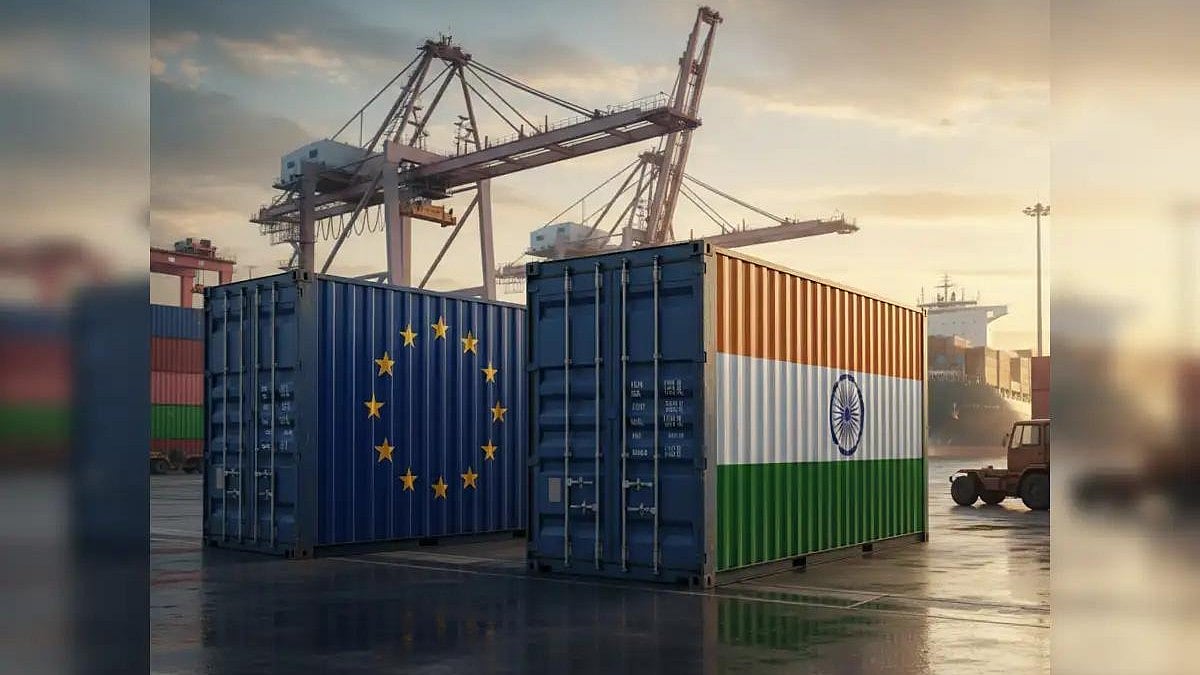
New PNG Scheme Cuts Payback Period to 3 Years
New PNG incentive scheme to boost clean fuel access, reduce payback period
'%3E%3Crect%20width%3D'96'%20height%3D'96'%20fill%3D'%230B6E4F'%2F%3E%3Ccircle%20cx%3D'30'%20cy%3D'24'%20r%3D'44'%20fill%3D'%23fff'%20opacity%3D'.12'%2F%3E%3Ccircle%20cx%3D'60'%20cy%3D'74'%20r%3D'40'%20fill%3D'%23000'%20opacity%3D'.10'%2F%3E%3C%2Fg%3E%3Cg%20fill%3D'none'%20stroke%3D'%23fff'%20stroke-width%3D'3.2'%20stroke-linecap%3D'round'%20stroke-linejoin%3D'round'%3E%3Cpolyline%20points%3D'31%2C59%2041%2C49%2049%2C54%2063%2C37'%2F%3E%3Cpolyline%20points%3D'55%2C37%2063%2C37%2063%2C45'%2F%3E%3C%2Fg%3E%3C%2Fsvg%3E)
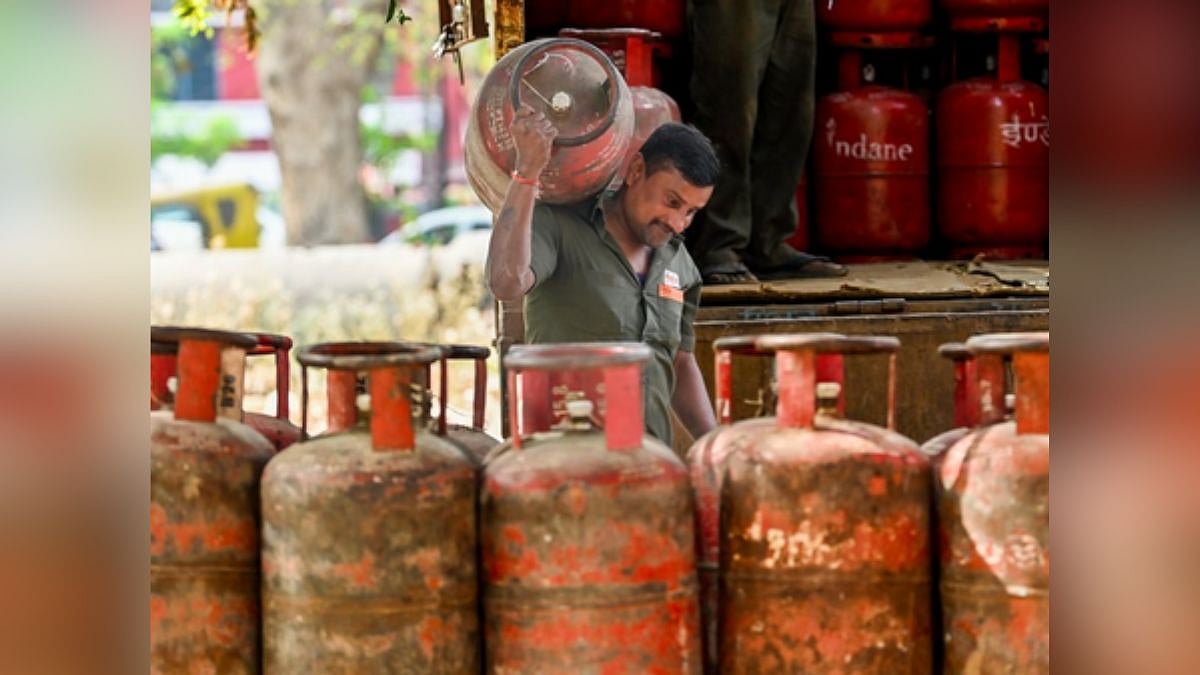
The Indian government has launched a new incentive scheme for domestic piped natural gas (PNG) connections, aiming to accelerate the expansion of clean cooking fuel across households.
The scheme, which came into effect on September 1, 2026, is expected to bring down the payback period for companies investing in new connections from around 10 years to nearly three years.
The Incentive Scheme for Promotion of Domestic PNG Connections seeks to increase the number of active domestic PNG connections by incentivising City Gas Distribution (CGD) entities to convert unbilled connections into active, billed connections and expand PNG networks into new areas.
As of August 18, 2026, there were around 1.74 crore domestic PNG connections across the country. The City Gas Distribution network is being developed by entities authorised by the Petroleum and Natural Gas Regulatory Board (PNGRB), which has authorised entities across 309 Geographical Areas covering the entire mainland of the country.
Under the new scheme, a minimum threshold of domestic connections has been fixed for every Geographical Area. Eligible CGD entities that add billed domestic connections above the prescribed threshold during the performance period will receive an additional allocation of 200 Standard Cubic Metres (SCM) of domestically produced APM gas for every incremental connection.
The additional APM gas allocation is expected to replace more expensive liquefied natural gas (LNG) currently sourced by CGD entities for their Compressed Natural Gas (Transport) segment. The substitution of LNG with lower-priced domestic APM gas is expected to reduce the overall cost of gas sourcing for CGD companies.
The government expects the lower sourcing cost to improve the commercial viability of domestic PNG connections. As a result, the payback period on capital expenditure for a household connection is projected to decline sharply from about 10 years to nearly three years, providing companies with a stronger incentive to expand household coverage.
The scheme will be implemented in two tranches over a period of six months and is designed to align the commercial interests of CGD companies with the broader objective of expanding access to cleaner household energy.
The new incentive scheme is a significant step towards promoting the use of clean cooking fuel in Indian households, and is expected to have a positive impact on the environment and public health.
With the implementation of this scheme, the government aims to increase the adoption of PNG connections, reducing the country's reliance on polluting fuels and promoting a cleaner and healthier environment for its citizens.
The success of this scheme will depend on the effective implementation and participation of CGD entities, and its impact will be closely monitored by the government and regulatory bodies.
In conclusion, the new PNG incentive scheme is a welcome move towards promoting clean energy and reducing the payback period for companies investing in PNG connections. It is expected to have a positive impact on the environment, public health, and the economy, and will play a significant role in shaping the country's energy landscape in the years to come.
Frequently asked questions
What is the new PNG incentive scheme?
The new PNG incentive scheme is aimed at accelerating the expansion of clean cooking fuel across households, by incentivising City Gas Distribution entities to convert unbilled connections into active, billed connections and expand PNG networks into new areas.
How will the scheme reduce the payback period?
The scheme will reduce the payback period by providing an additional allocation of 200 Standard Cubic Metres of domestically produced APM gas for every incremental connection, replacing more expensive liquefied natural gas (LNG) and reducing the overall cost of gas sourcing for CGD companies.