Dubai Plans New Port
Dubai to reduce reliance on Strait of Hormuz with new port. Strategic move to boost trade.
'%3E%3Crect%20width%3D'96'%20height%3D'96'%20fill%3D'%234A235A'%2F%3E%3Ccircle%20cx%3D'30'%20cy%3D'24'%20r%3D'44'%20fill%3D'%23fff'%20opacity%3D'.12'%2F%3E%3Ccircle%20cx%3D'60'%20cy%3D'74'%20r%3D'40'%20fill%3D'%23000'%20opacity%3D'.10'%2F%3E%3C%2Fg%3E%3Cg%20fill%3D'none'%20stroke%3D'%23fff'%20stroke-width%3D'3'%3E%3Ccircle%20cx%3D'48'%20cy%3D'48'%20r%3D'16'%2F%3E%3Cellipse%20cx%3D'48'%20cy%3D'48'%20rx%3D'6.5'%20ry%3D'16'%2F%3E%3Cline%20x1%3D'32'%20y1%3D'42'%20x2%3D'64'%20y2%3D'42'%2F%3E%3Cline%20x1%3D'32'%20y1%3D'54'%20x2%3D'64'%20y2%3D'54'%2F%3E%3C%2Fg%3E%3C%2Fsvg%3E)
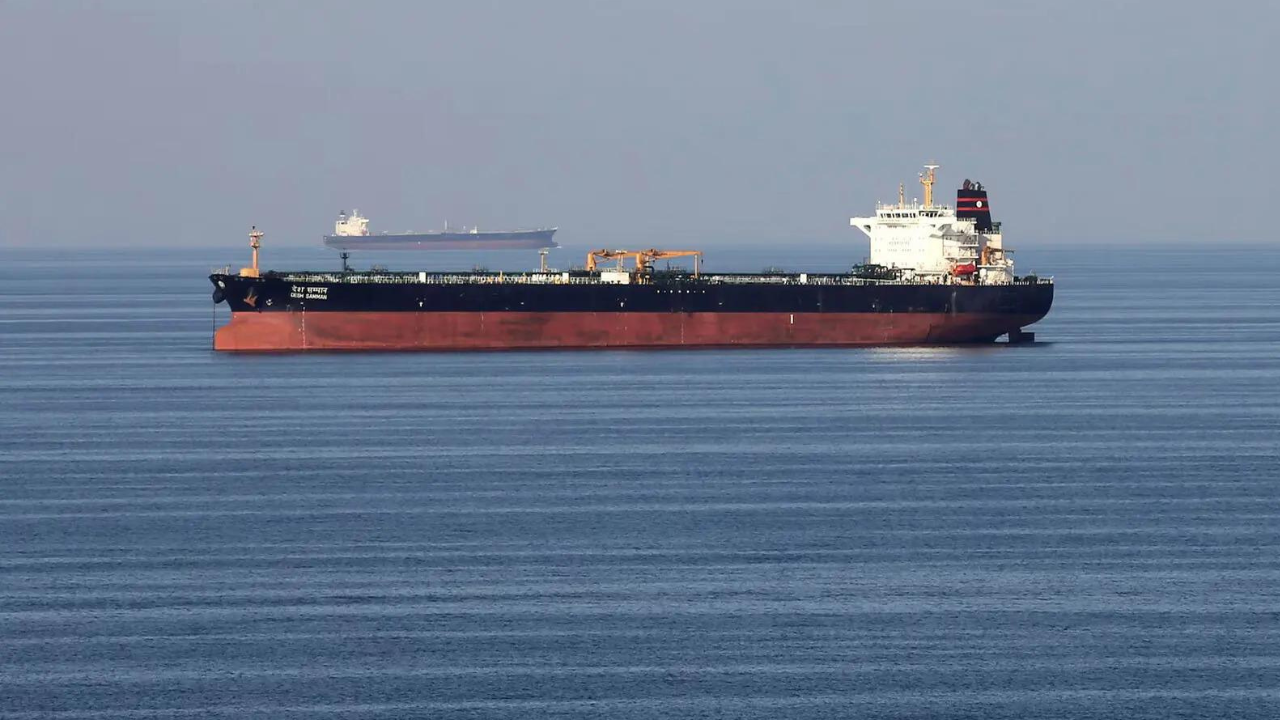
Dubai has announced plans to build a new port in a bid to reduce its reliance on the Strait of Hormuz, a vital shipping lane. The move is seen as a strategic decision to boost trade and commerce in the region.
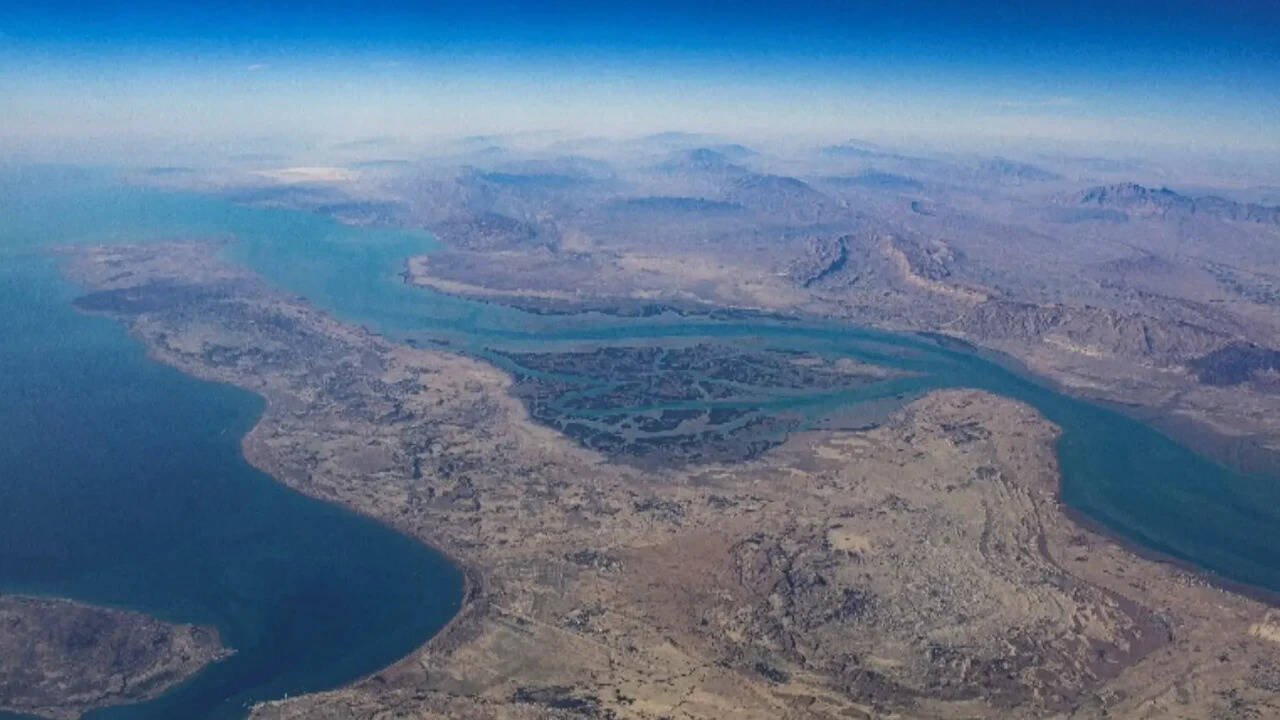
The Strait of Hormuz, located between Iran and Oman, is a critical waterway that connects the Persian Gulf to the Arabian Sea. However, its proximity to Iran has raised concerns about the potential for disruption to shipping lanes.
By building a new port, Dubai aims to diversify its trade routes and reduce its dependence on the Strait of Hormuz. The new port will provide an alternative route for ships to enter and exit the Persian Gulf, thereby reducing the risk of disruption to trade.
The plan to build a new port is part of Dubai's efforts to strengthen its position as a major trade hub. The city is already home to the Jebel Ali Port, one of the busiest ports in the world. The new port will further enhance Dubai's capabilities and provide a boost to its economy.
The decision to build a new port is also seen as a response to the growing tensions in the region. The Strait of Hormuz has been a source of concern in recent years, with several incidents of ships being seized or attacked. By providing an alternative route, Dubai hopes to reduce the risk of such incidents and ensure the smooth flow of trade.
Dubai's plan to build a new port is a significant development in the region's trade landscape. The move is expected to have far-reaching implications for the global economy, as it will provide a new route for ships to travel between Europe and Asia.
In recent years, Dubai has emerged as a major player in global trade. The city's strategic location, world-class infrastructure, and business-friendly environment have made it an attractive destination for investors and traders. The new port will further cement Dubai's position as a major trade hub and provide a boost to its economy.
The construction of the new port is expected to begin soon, with the project slated for completion in the next few years. The exact details of the project, including the location and cost, have not been disclosed. However, it is clear that the new port will be a major development in the region's trade landscape.
The move by Dubai to build a new port is a significant development in the global trade landscape. It highlights the city's commitment to providing a safe and efficient trade route, and its determination to reduce its reliance on the Strait of Hormuz. As the project progresses, it will be interesting to see how it impacts the global economy and trade patterns.
In conclusion, Dubai's plan to build a new port is a strategic move to boost trade and commerce in the region. The new port will provide an alternative route for ships to enter and exit the Persian Gulf, reducing the risk of disruption to trade. The move is expected to have far-reaching implications for the global economy and will further cement Dubai's position as a major trade hub.
The development is also being watched closely by India, which has significant trade interests in the region. India's trade with the UAE is substantial, and any development that affects trade routes in the region is likely to have an impact on India's economy. As such, the new port in Dubai is likely to be of interest to Indian businesses and traders, who will be keen to explore the new trade opportunities that it presents.
The new port will also have implications for Mumbai, which is a major trade hub in India. The city's ports, including the Jawaharlal Nehru Port, are among the busiest in the country, and any development that affects trade routes in the region is likely to have an impact on Mumbai's economy. As such, the new port in Dubai is likely to be of interest to businesses and traders in Mumbai, who will be keen to explore the new trade opportunities that it presents.
In terms of its significance for Mumbai, the new port in Dubai is likely to provide new trade opportunities for businesses in the city. The port will provide an alternative route for ships to enter and exit the Persian Gulf, reducing the risk of disruption to trade. This will be particularly beneficial for businesses in Mumbai that trade with the UAE and other countries in the region. As such, the new port in Dubai is likely to be a positive development for Mumbai's economy, and will further strengthen the city's position as a major trade hub.
The new port in Dubai is also likely to have implications for India's trade policy. The government will need to consider the impact of the new port on India's trade relationships with the UAE and other countries in the region. This may involve negotiating new trade agreements or revising existing ones to take into account the new trade route. As such, the new port in Dubai is likely to be an important factor in India's trade policy in the coming years.
In conclusion, the new port in Dubai is a significant development in the global trade landscape. It will provide an alternative route for ships to enter and exit the Persian Gulf, reducing the risk of disruption to trade. The move is expected to have far-reaching implications for the global economy, and will further cement Dubai's position as a major trade hub. For Mumbai, the new port will provide new trade opportunities and will further strengthen the city's position as a major trade hub. The development is also likely to have implications for India's trade policy, and will be an important factor in the coming years.
What it means for Mumbai and India is that the new port in Dubai will provide a new trade route that will reduce the risk of disruption to trade. This will be beneficial for businesses in Mumbai that trade with the UAE and other countries in the region. The development is also likely to have implications for India's trade policy, and will be an important factor in the coming years. As such, the new port in Dubai is a significant development that will have far-reaching implications for the global economy and trade patterns.