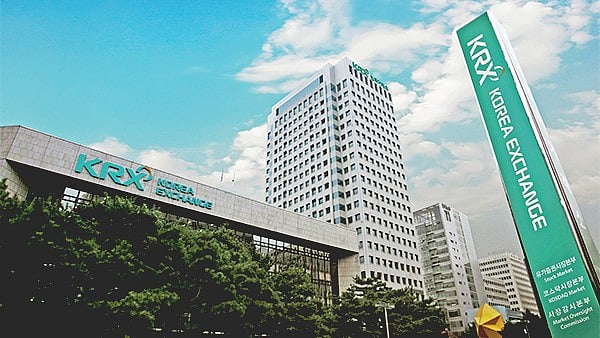
Kospi Plunges 7% as AI Rally Ends
South Korean stocks tumble, tech giants lead sell-off. AI optimism fades.


In a significant downturn, the South Korean stock market experienced a sharp decline on Tuesday, with the Kospi index plummeting 7%. This sudden reversal came after a period of record highs, driven largely by optimism surrounding artificial intelligence. The market's heavy reliance on a few key technology companies, which had been leading the charge upwards, ultimately contributed to the volatility as these same companies led the broad sell-off across the market.
The decline was largely driven by investors seeking to secure profits after a string of strong earnings reports. As the market had been rallying on the back of AI-related optimism, the decision to take profits was not entirely unexpected. However, the speed and magnitude of the decline caught many off guard, highlighting the fragile nature of market sentiment.
The South Korean market's vulnerability to sharp swings is well-documented, and this latest downturn serves as a reminder of the risks associated with investing in a market that is heavily influenced by the performance of a few large-cap technology stocks. The activation of the sell-side sidecar, a mechanism designed to mitigate extreme market volatility, further underscores the severity of the situation.
For investors, this downturn presents both challenges and opportunities. While some may view the decline as a chance to buy into quality stocks at discounted prices, others may be more cautious, opting to wait and observe how the market unfolds in the coming days and weeks. The impact of this decline on the broader Asian market and global investor sentiment will also be closely watched.
Looking ahead, market analysts will be keenly observing the Kospi's performance, searching for signs of stabilization or further decline. The upcoming earnings season and any potential shifts in AI-related sentiment will be crucial in determining the market's next move. As the situation continues to evolve, one thing is clear: the Kospi's AI-driven party is, for now, over, and investors are adopting a more cautious stance.
The sell-off in South Korean stocks also raises questions about the sustainability of the AI-driven rally that had been powering the market upwards. As investors reassess their portfolios and adjust their strategies, it remains to be seen whether the Kospi can regain its footing and resume its upward trajectory. For now, the focus is on navigating the current volatility and positioning for the potential opportunities that may arise in the aftermath of this downturn.
In conclusion, the Kospi's 7% decline marks a significant turning point in the market, one that is likely to have far-reaching implications for investors and the broader economy. As the market continues to evolve, it is essential to stay informed and adapt to the changing landscape, recognizing both the risks and opportunities that this new reality presents.