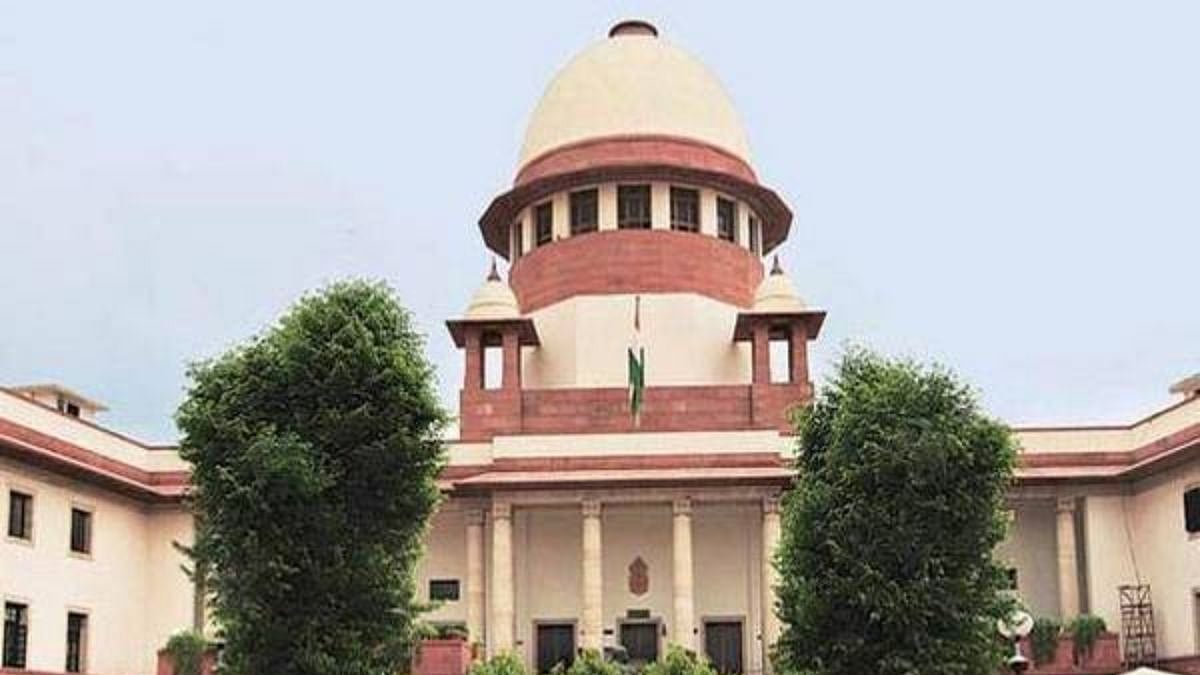
Supreme Court Cancels Bail Of Two Murder Suspects
Two suspects in a murder case lost their bail. The Supreme Court ruled that serious offences require justifiable reasons for bail.
'%3E%3Crect%20width%3D'96'%20height%3D'96'%20fill%3D'%231A5276'%2F%3E%3Ccircle%20cx%3D'30'%20cy%3D'24'%20r%3D'44'%20fill%3D'%23fff'%20opacity%3D'.12'%2F%3E%3Ccircle%20cx%3D'60'%20cy%3D'74'%20r%3D'40'%20fill%3D'%23000'%20opacity%3D'.10'%2F%3E%3C%2Fg%3E%3Cg%20fill%3D'%23fff'%3E%3Cpath%20d%3D'M31%2041%20L48%2031%20L65%2041%20Z'%2F%3E%3Crect%20x%3D'33'%20y%3D'43'%20width%3D'4'%20height%3D'17'%2F%3E%3Crect%20x%3D'41'%20y%3D'43'%20width%3D'4'%20height%3D'17'%2F%3E%3Crect%20x%3D'51'%20y%3D'43'%20width%3D'4'%20height%3D'17'%2F%3E%3Crect%20x%3D'59'%20y%3D'43'%20width%3D'4'%20height%3D'17'%2F%3E%3Crect%20x%3D'30'%20y%3D'62'%20width%3D'36'%20height%3D'4'%20rx%3D'1'%2F%3E%3C%2Fg%3E%3C%2Fsvg%3E)
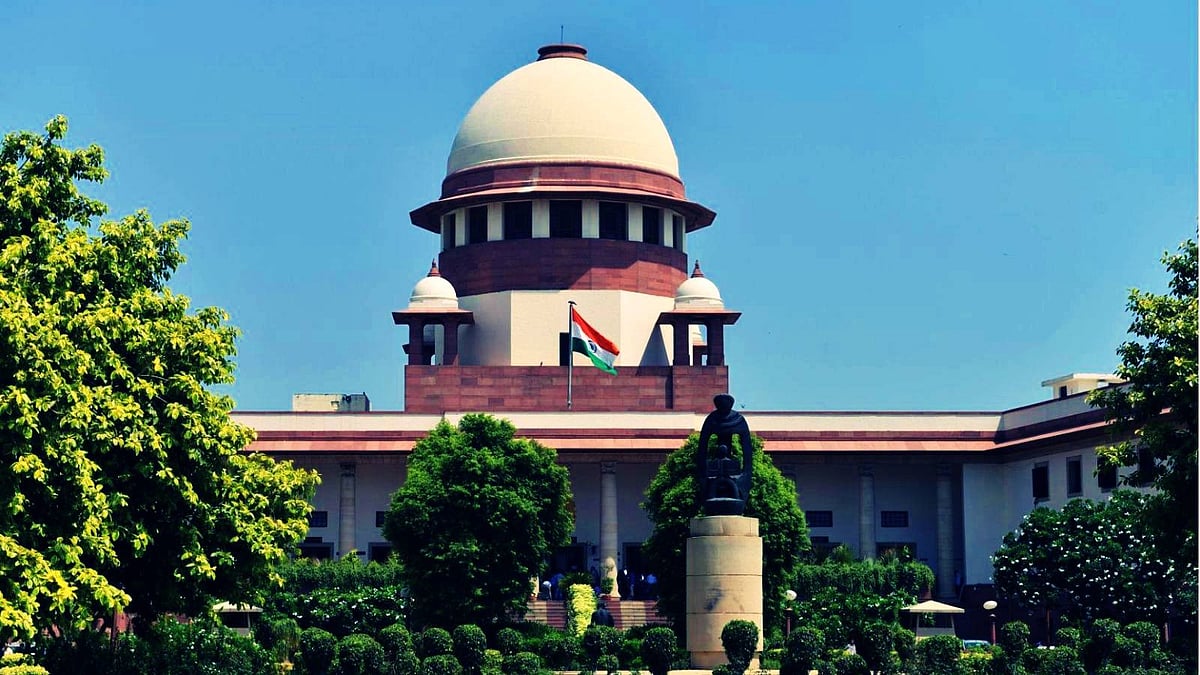
The Supreme Court has cancelled the bail of two suspects in a murder case, emphasizing that courts must provide justifiable reasons when granting bail in serious offences.
A Bench of Justice Vikram Nath and Justice Sandeep Mehta made this ruling, stating that the lower courts had failed to consider vital evidence that indicated the suspects' involvement in the crime.
The Supreme Court said that bail cannot be granted mechanically, particularly in cases involving grave and violent offences. The court quoted its 2004 judgment in Kalyan Chandra Sarkar v Rajesh Ranjan, which states that the court granting bail should exercise its discretion in a judicious manner.
The court also observed that while a detailed examination of evidence is not necessary at the bail stage, judges must indicate why they had prima facie concluded that bail should be granted, particularly in serious offences.
The case involved a complainant who was set on fire by four people, including two suspects, over a dispute during his son's wedding. The complainant succumbed to his injuries.
The two suspects were granted bail by the High Court, but the State of Maharashtra approached the Supreme Court, which set aside the orders.
The Supreme Court held that the High Court and the trial court had erred in granting bail without considering the vital evidence.
The judgment underlines the importance of justifiable reasons in bail orders, particularly in serious offences like murder.
The Supreme Court's ruling will have significant implications for the granting of bail in serious offences, emphasizing the need for careful consideration and justifiable reasons.
This ruling is a reminder that the judiciary plays a crucial role in ensuring that justice is served, and that the rights of the accused are balanced with the need to protect society from harm.
The case highlights the need for a thorough examination of evidence and careful consideration of the circumstances before granting bail in serious offences.
In conclusion, the Supreme Court's decision to cancel the bail of the two murder suspects emphasizes the importance of justifiable reasons in bail orders and the need for careful consideration in serious offences.
Frequently asked questions
What was the Supreme Court's ruling on bail in serious offences?
The Supreme Court ruled that courts must provide justifiable reasons when granting bail in serious offences, and that bail cannot be granted mechanically.
What was the case that led to the Supreme Court's ruling?
The case involved a complainant who was set on fire by four people, including two suspects, over a dispute during his son's wedding, and the suspects were granted bail by the High Court.