Meta CEO Opposes Ban on Chinese AI Models in US
Mark Zuckerberg against banning Chinese AI, supports open-source models.
'%3E%3Crect%20width%3D'96'%20height%3D'96'%20fill%3D'%23B3261E'%2F%3E%3Ccircle%20cx%3D'30'%20cy%3D'24'%20r%3D'44'%20fill%3D'%23fff'%20opacity%3D'.12'%2F%3E%3Ccircle%20cx%3D'60'%20cy%3D'74'%20r%3D'40'%20fill%3D'%23000'%20opacity%3D'.10'%2F%3E%3C%2Fg%3E%3Cg%20fill%3D'%23fff'%3E%3Crect%20x%3D'29'%20y%3D'49'%20width%3D'8'%20height%3D'19'%20rx%3D'1'%2F%3E%3Crect%20x%3D'39'%20y%3D'40'%20width%3D'9'%20height%3D'28'%20rx%3D'1'%2F%3E%3Crect%20x%3D'50'%20y%3D'45'%20width%3D'8'%20height%3D'23'%20rx%3D'1'%2F%3E%3Crect%20x%3D'60'%20y%3D'53'%20width%3D'7'%20height%3D'15'%20rx%3D'1'%2F%3E%3Crect%20x%3D'41'%20y%3D'34'%20width%3D'5'%20height%3D'6'%2F%3E%3C%2Fg%3E%3C%2Fsvg%3E)
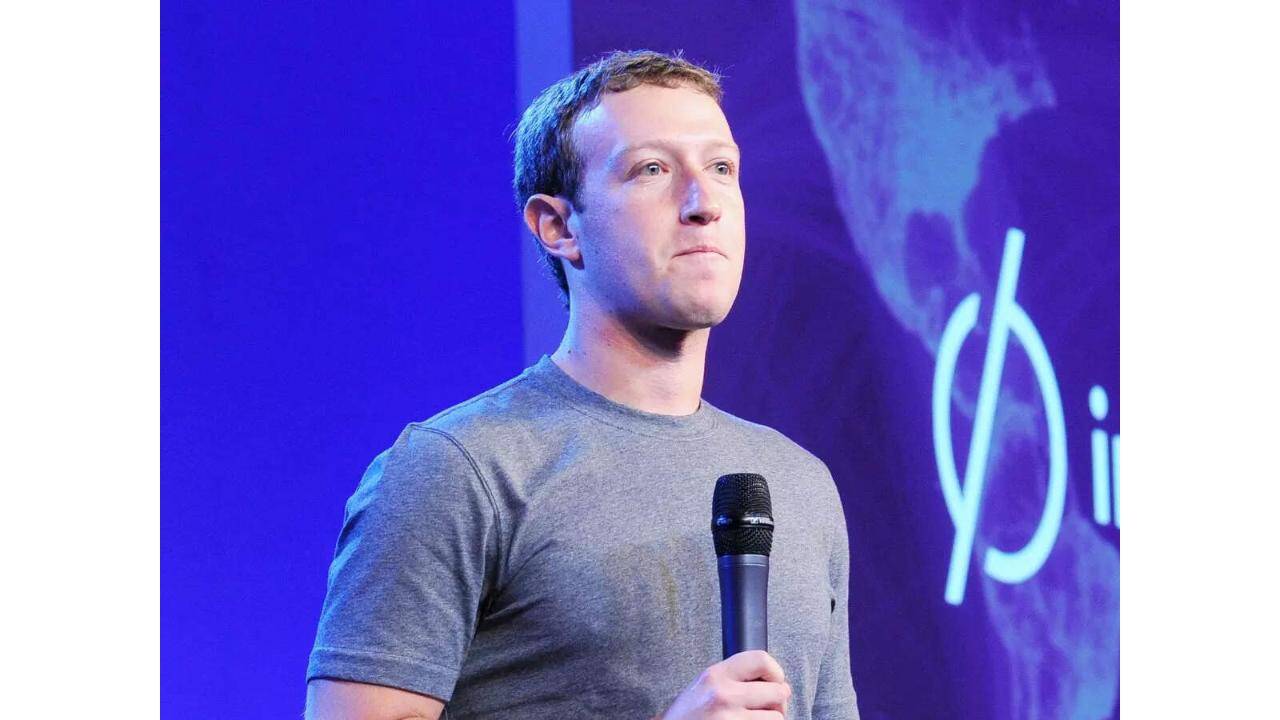
Mark Zuckerberg, the CEO of Meta, has expressed his opposition to banning Chinese AI models in the United States. According to him, competition and identifying roadblocks are better solutions than outright bans. He believes that this approach will foster innovation and growth in the AI sector.
Zuckerberg also cautioned against American frontier labs potentially influencing policy to stifle domestic rivals. He emphasized the importance of fair competition and warned against protectionist measures that could harm the development of AI in the US.
The Meta CEO reiterated his support for open-source AI models, which are popular among Chinese developers. This approach, he believes, will promote collaboration and innovation in the AI sector. Open-source models allow developers to access and modify the code, leading to faster development and improvement of AI technologies.
Meta is reportedly in talks to lease computing power to Anthropic, a US-based AI company, for a significant sum. This move is seen as a strategic partnership between the two companies, with Meta providing the necessary computing resources for Anthropic to develop its AI models.
The debate around Chinese AI models in the US has been ongoing, with some experts calling for a ban due to security concerns. However, Zuckerberg's stance suggests that Meta is open to collaborating with Chinese developers and promoting open-source AI models.
The US has been increasingly cautious about the use of Chinese technology, including AI models, due to concerns over data security and intellectual property theft. However, Zuckerberg's comments suggest that Meta is willing to work with Chinese developers and promote collaboration in the AI sector.
The development of AI is a global effort, and companies like Meta are playing a crucial role in shaping the future of this technology. As the AI sector continues to evolve, it will be interesting to see how companies like Meta navigate the complex landscape of international collaboration and competition.
In the context of the US-China trade tensions, Zuckerberg's comments are significant. They suggest that Meta is committed to promoting open-source AI models and collaborating with Chinese developers, despite the ongoing tensions between the two countries.
Overall, Mark Zuckerberg's opposition to banning Chinese AI models in the US is a significant development in the AI sector. It highlights the importance of competition, collaboration, and innovation in driving the growth of AI technologies.
The implications of this development are far-reaching, and it will be interesting to see how the AI sector evolves in the coming years. As companies like Meta continue to invest in AI research and development, we can expect to see significant advancements in this field.
In conclusion, Mark Zuckerberg's comments on Chinese AI models in the US highlight the complex and evolving nature of the AI sector. As companies navigate the challenges and opportunities of international collaboration and competition, it is clear that the development of AI will be shaped by a combination of technological, economic, and geopolitical factors.
What this means for Mumbai or India is that the AI sector is becoming increasingly global, with companies like Meta playing a crucial role in shaping its future. As India continues to develop its own AI sector, it will be important to navigate the complex landscape of international collaboration and competition, while also promoting innovation and growth in the domestic AI industry.
Frequently asked questions
Why does Mark Zuckerberg oppose banning Chinese AI models in the US?
Mark Zuckerberg believes that competition and identifying roadblocks are better solutions than outright bans, and that open-source AI models can promote collaboration and innovation.
What is the significance of Meta's potential partnership with Anthropic?
The partnership would provide Anthropic with the necessary computing resources to develop its AI models, and is seen as a strategic move by Meta to promote collaboration and innovation in the AI sector.