Nepal Flash Floods Kill 160, Raise Climate Change Concerns
Flash floods in Nepal's Bhote Koshi River region have killed 160 people, with over 750 missing. The disaster has raised concerns about climate change and its impact on glaciers.
'%3E%3Crect%20width%3D'96'%20height%3D'96'%20fill%3D'%234A235A'%2F%3E%3Ccircle%20cx%3D'30'%20cy%3D'24'%20r%3D'44'%20fill%3D'%23fff'%20opacity%3D'.12'%2F%3E%3Ccircle%20cx%3D'60'%20cy%3D'74'%20r%3D'40'%20fill%3D'%23000'%20opacity%3D'.10'%2F%3E%3C%2Fg%3E%3Cg%20fill%3D'none'%20stroke%3D'%23fff'%20stroke-width%3D'3'%3E%3Ccircle%20cx%3D'48'%20cy%3D'48'%20r%3D'16'%2F%3E%3Cellipse%20cx%3D'48'%20cy%3D'48'%20rx%3D'6.5'%20ry%3D'16'%2F%3E%3Cline%20x1%3D'32'%20y1%3D'42'%20x2%3D'64'%20y2%3D'42'%2F%3E%3Cline%20x1%3D'32'%20y1%3D'54'%20x2%3D'64'%20y2%3D'54'%2F%3E%3C%2Fg%3E%3C%2Fsvg%3E)
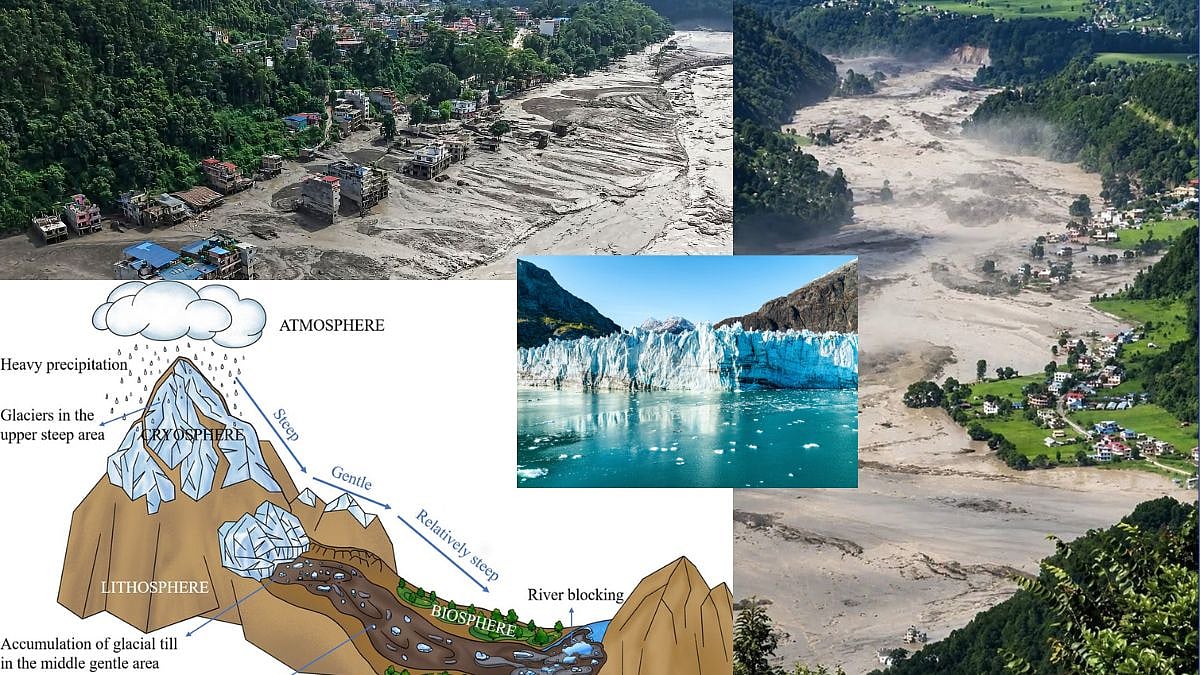
A devastating flash flood hit the Bhote Koshi River region in Rasuwa district, Nepal, on Wednesday, resulting in the deaths of over 157 people and leaving many missing. The flood struck the Bhote Koshi River at around 9 AM local time, releasing a powerful flow of water and debris that impacted communities, roads, bridges, and hydropower facilities.
The hardest-hit areas included Timure and Syafrubesi in Rasuwa district. As the floodwaters moved downstream, they entered the Trishuli River and affected Nuwakot and other neighbouring areas, leaving little time for communities to respond.
According to reports, the flash flood was triggered by a cascade of geological events, including an ice-rock avalanche that detached from a glacier high on the Himalayan slopes. The avalanche created a landslide dam, which eventually burst, releasing a large volume of ice and rock debris into the Lende Khola, a tributary of the Bhote Koshi.
Scientists are still investigating the precise sequence of events, but preliminary assessments based on satellite information, videos, and reports from the affected region suggest that the flash flood was caused by a combination of natural and climate-related factors. The disaster has raised concerns about the impact of climate change on glaciers and the potential for similar events to occur in the future.
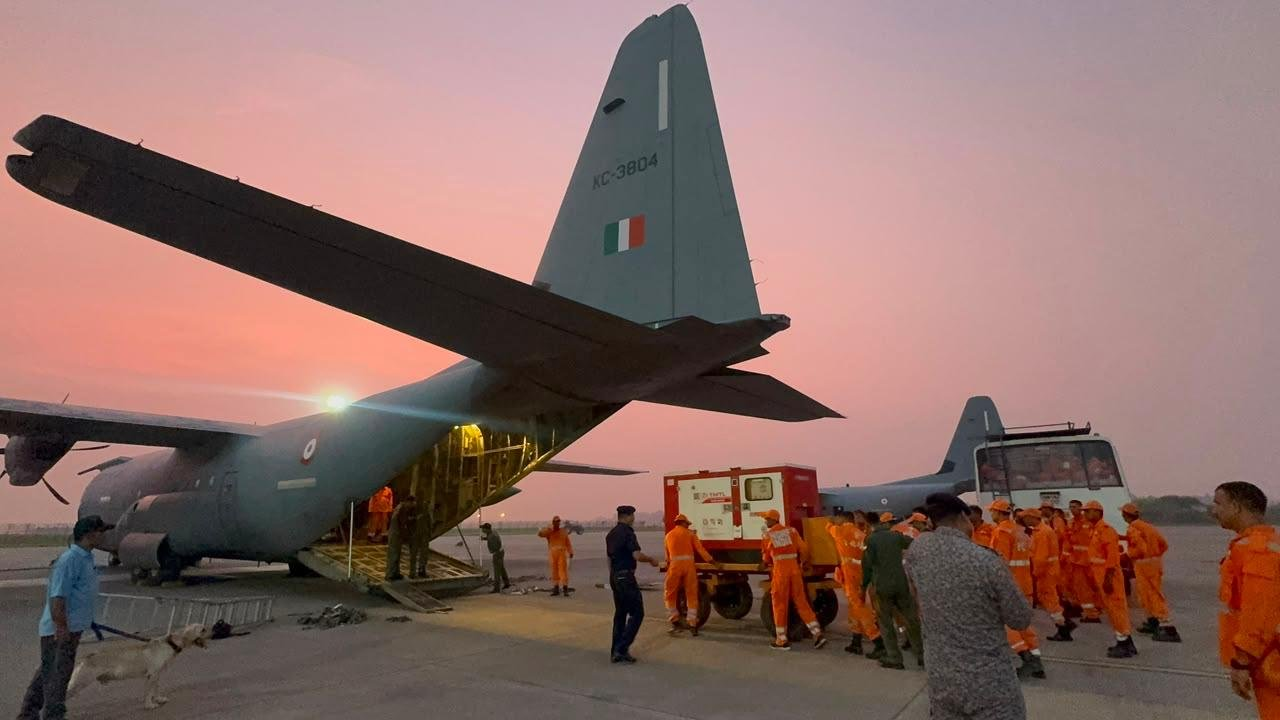
The flash flood washed away bridges, damaged hydropower infrastructure, and affected several communities in the region. The authorities are still searching for missing people and providing aid to those affected by the disaster.
The incident has highlighted the need for greater awareness and preparedness for climate-related disasters in the region. The Himalayan region is particularly vulnerable to the impacts of climate change, including rising temperatures, changing precipitation patterns, and increased frequency of extreme weather events.
The disaster has also raised questions about the role of climate change in triggering such events. Rising temperatures are causing glaciers to melt and become unstable, increasing the risk of ice-rock avalanches and subsequent flash floods.
In the aftermath of the disaster, the authorities are working to provide aid and support to those affected. The incident serves as a reminder of the importance of addressing climate change and its impacts on vulnerable communities.
The Nepal flash flood is a tragic reminder of the devastating consequences of climate change. As the world continues to experience rising temperatures and more frequent extreme weather events, it is essential to take action to reduce greenhouse gas emissions and mitigate the impacts of climate change.
The disaster has also highlighted the need for greater international cooperation and support to address the impacts of climate change in vulnerable regions. The Himalayan region is a critical area for global climate regulation, and it is essential to work together to protect this fragile ecosystem and the communities that depend on it.
In conclusion, the Nepal flash flood is a devastating reminder of the impacts of climate change on vulnerable communities. It is essential to take action to reduce greenhouse gas emissions, mitigate the impacts of climate change, and provide support to those affected by climate-related disasters.
Frequently asked questions
What triggered the Nepal flash flood?
The flash flood was triggered by an ice-rock avalanche that detached from a glacier high on the Himalayan slopes, creating a landslide dam that eventually burst.
How many people were affected by the disaster?
Over 157 people were killed, and more than 750 are missing, with several communities affected by the flood.