USCIS Revokes H-1B Petitions Over Low Wages
USCIS denies H-1B visas, cites low wages. Protects American workers.
'%3E%3Crect%20width%3D'96'%20height%3D'96'%20fill%3D'%23B3261E'%2F%3E%3Ccircle%20cx%3D'30'%20cy%3D'24'%20r%3D'44'%20fill%3D'%23fff'%20opacity%3D'.12'%2F%3E%3Ccircle%20cx%3D'60'%20cy%3D'74'%20r%3D'40'%20fill%3D'%23000'%20opacity%3D'.10'%2F%3E%3C%2Fg%3E%3Cg%20fill%3D'%23fff'%3E%3Crect%20x%3D'29'%20y%3D'49'%20width%3D'8'%20height%3D'19'%20rx%3D'1'%2F%3E%3Crect%20x%3D'39'%20y%3D'40'%20width%3D'9'%20height%3D'28'%20rx%3D'1'%2F%3E%3Crect%20x%3D'50'%20y%3D'45'%20width%3D'8'%20height%3D'23'%20rx%3D'1'%2F%3E%3Crect%20x%3D'60'%20y%3D'53'%20width%3D'7'%20height%3D'15'%20rx%3D'1'%2F%3E%3Crect%20x%3D'41'%20y%3D'34'%20width%3D'5'%20height%3D'6'%2F%3E%3C%2Fg%3E%3C%2Fsvg%3E)
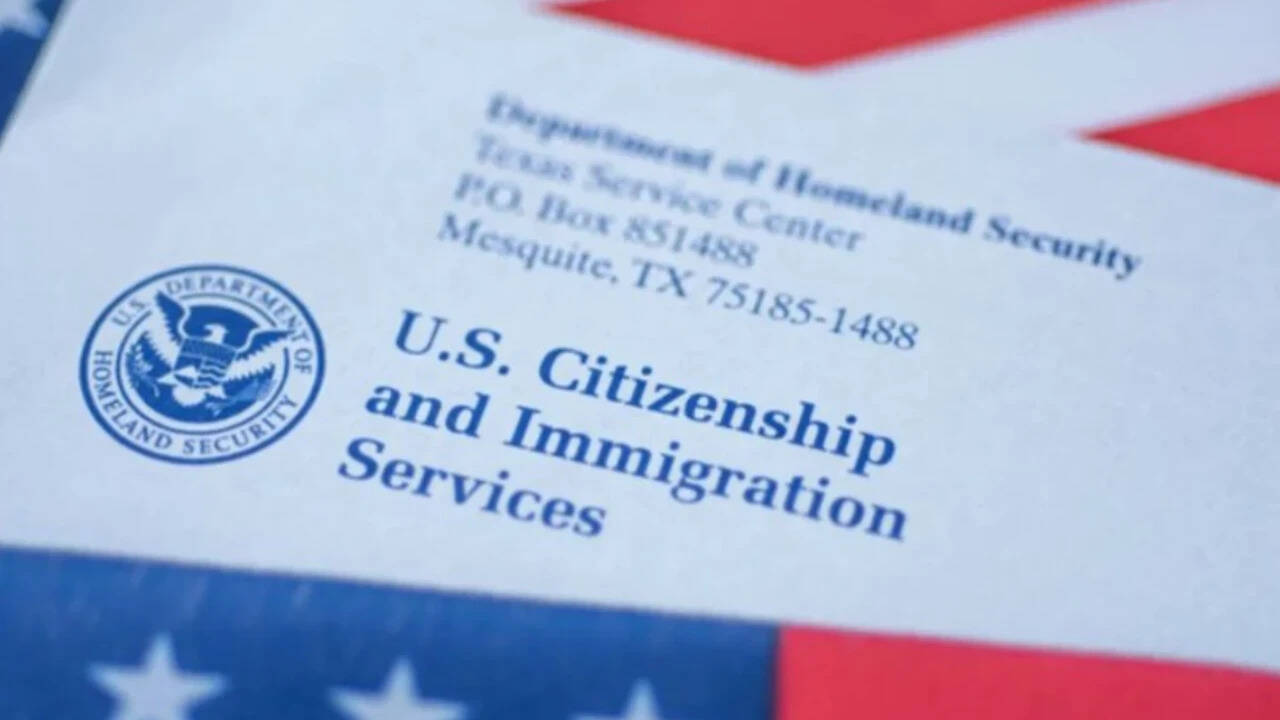
The United States Citizenship and Immigration Services (USCIS) has denied and revoked multiple H-1B visa petitions from a major IT consulting company.
The agency found that the company had classified skilled technology jobs at lower wage levels than supported, which undercuts the required wages and creates unfair competition for American workers.
USCIS stated that its action is aimed at protecting American workers and maintaining the integrity of the H-1B program. The immigration authority emphasized the importance of correct position classification under the H-1B system.
The H-1B visa program is designed to allow US employers to temporarily employ foreign workers in specialty occupations. However, the program has been criticized for being used to undercut American workers and suppress wages.
The USCIS action is seen as a move to crack down on companies that abuse the H-1B program. The agency has been increasing its scrutiny of H-1B petitions in recent years, with a focus on ensuring that employers are paying the required wages and complying with the program's rules.
The IT consulting company involved in the case has not been named by USCIS. However, the agency's action is likely to have implications for other companies in the industry that may be engaging in similar practices.
The H-1B program has been a topic of controversy in recent years, with some arguing that it is necessary to fill labor gaps in the US tech industry, while others argue that it is being used to displace American workers.
The USCIS action is a reminder that the agency is committed to protecting American workers and maintaining the integrity of the H-1B program.
In terms of significance, the USCIS action is a signal that the agency is taking a tougher stance on companies that abuse the H-1B program. This could have implications for companies in the IT industry and other sectors that rely on H-1B visas.
For Mumbai residents, this news may be of interest as many Indian IT companies have operations in the US and may be impacted by the USCIS action. Additionally, many Indian workers may be affected by the changes to the H-1B program.
Overall, the USCIS action is a significant development in the ongoing debate over the H-1B program and its impact on American workers.
The move is likely to be welcomed by those who argue that the program is being used to undercut American workers, but may be seen as a setback by companies that rely on H-1B visas to fill labor gaps.
As the US immigration landscape continues to evolve, it is likely that there will be further developments on the H-1B program and its impact on workers in the US and around the world.
In conclusion, the USCIS action is a reminder that the agency is committed to protecting American workers and maintaining the integrity of the H-1B program. The implications of this action will be closely watched by companies and workers in the IT industry and beyond.
Frequently asked questions
What is the H-1B visa program?
The H-1B visa program allows US employers to temporarily employ foreign workers in specialty occupations.
Why did USCIS revoke the H-1B petitions?
USCIS revoked the petitions because the company had classified skilled technology jobs at lower wage levels than supported, undercutting required wages and creating unfair competition for American workers.