Tiritiri Matangi Transformed by 280,000 Trees
New Zealand's Tiritiri Matangi sees transformation. Trees planted, change observed.
'%3E%3Crect%20width%3D'96'%20height%3D'96'%20fill%3D'%23B3261E'%2F%3E%3Ccircle%20cx%3D'30'%20cy%3D'24'%20r%3D'44'%20fill%3D'%23fff'%20opacity%3D'.12'%2F%3E%3Ccircle%20cx%3D'60'%20cy%3D'74'%20r%3D'40'%20fill%3D'%23000'%20opacity%3D'.10'%2F%3E%3C%2Fg%3E%3Cg%20fill%3D'%23fff'%3E%3Crect%20x%3D'29'%20y%3D'49'%20width%3D'8'%20height%3D'19'%20rx%3D'1'%2F%3E%3Crect%20x%3D'39'%20y%3D'40'%20width%3D'9'%20height%3D'28'%20rx%3D'1'%2F%3E%3Crect%20x%3D'50'%20y%3D'45'%20width%3D'8'%20height%3D'23'%20rx%3D'1'%2F%3E%3Crect%20x%3D'60'%20y%3D'53'%20width%3D'7'%20height%3D'15'%20rx%3D'1'%2F%3E%3Crect%20x%3D'41'%20y%3D'34'%20width%3D'5'%20height%3D'6'%2F%3E%3C%2Fg%3E%3C%2Fsvg%3E)
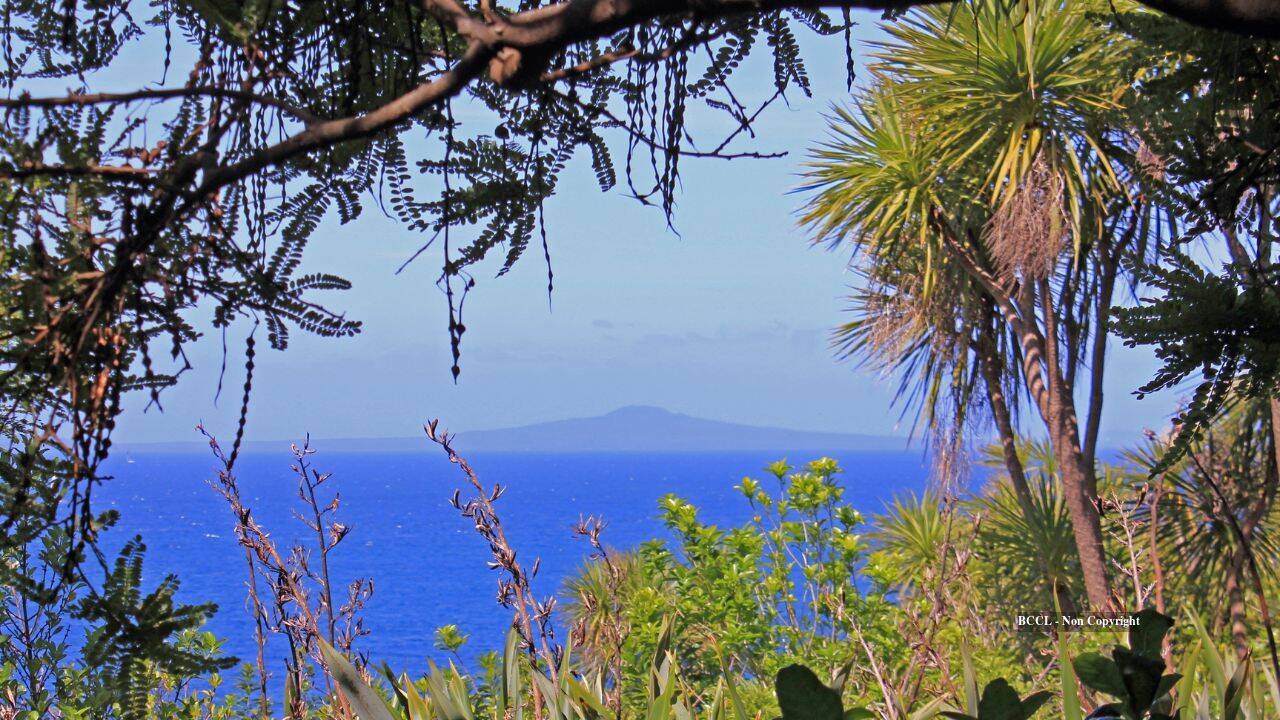
A significant transformation has taken place on New Zealand's Tiritiri Matangi island, driven by the planting of 280,000 trees. This effort has had a profound impact on the island's ecosystem.
The planting of such a large number of trees is a notable achievement, showcasing the potential for targeted conservation efforts to drive meaningful change.
Tiritiri Matangi, an island located off the coast of New Zealand, has undergone substantial development in recent years, with a focus on restoring its natural habitats.
The tree-planting initiative is part of a broader strategy to revitalize the island's environment and promote biodiversity. By introducing a wide variety of tree species, the project aims to create a thriving ecosystem that supports local wildlife.
This transformation is expected to have long-term benefits for the island, including improved air and water quality, enhanced soil health, and increased habitat for native species.
The success of this project serves as a model for similar conservation initiatives, demonstrating the potential for collaborative efforts to drive positive environmental change.
As the island continues to evolve, it is likely to become an important destination for eco-tourism, providing opportunities for visitors to experience and learn about the unique ecosystem.
The transformation of Tiritiri Matangi is a testament to the power of conservation and the impact that targeted efforts can have on the environment.
In the context of global environmental concerns, this project highlights the importance of local initiatives and community-led conservation efforts.
By supporting and replicating such projects, it is possible to drive meaningful change and promote a more sustainable future.
Frequently asked questions
How many trees were planted on Tiritiri Matangi?
280,000 trees were planted on the island.
What is the expected outcome of the tree-planting initiative?
The project aims to create a thriving ecosystem, improve air and water quality, and increase habitat for native species.