Instagram CEO Testifies in Meta Trial
Instagram CEO Adam Mosseri denies suppressing teen safety data. Meta faces lawsuit over compulsive use and mental health concerns.
'%3E%3Crect%20width%3D'96'%20height%3D'96'%20fill%3D'%23B3261E'%2F%3E%3Ccircle%20cx%3D'30'%20cy%3D'24'%20r%3D'44'%20fill%3D'%23fff'%20opacity%3D'.12'%2F%3E%3Ccircle%20cx%3D'60'%20cy%3D'74'%20r%3D'40'%20fill%3D'%23000'%20opacity%3D'.10'%2F%3E%3C%2Fg%3E%3Cg%20fill%3D'%23fff'%3E%3Crect%20x%3D'29'%20y%3D'49'%20width%3D'8'%20height%3D'19'%20rx%3D'1'%2F%3E%3Crect%20x%3D'39'%20y%3D'40'%20width%3D'9'%20height%3D'28'%20rx%3D'1'%2F%3E%3Crect%20x%3D'50'%20y%3D'45'%20width%3D'8'%20height%3D'23'%20rx%3D'1'%2F%3E%3Crect%20x%3D'60'%20y%3D'53'%20width%3D'7'%20height%3D'15'%20rx%3D'1'%2F%3E%3Crect%20x%3D'41'%20y%3D'34'%20width%3D'5'%20height%3D'6'%2F%3E%3C%2Fg%3E%3C%2Fsvg%3E)
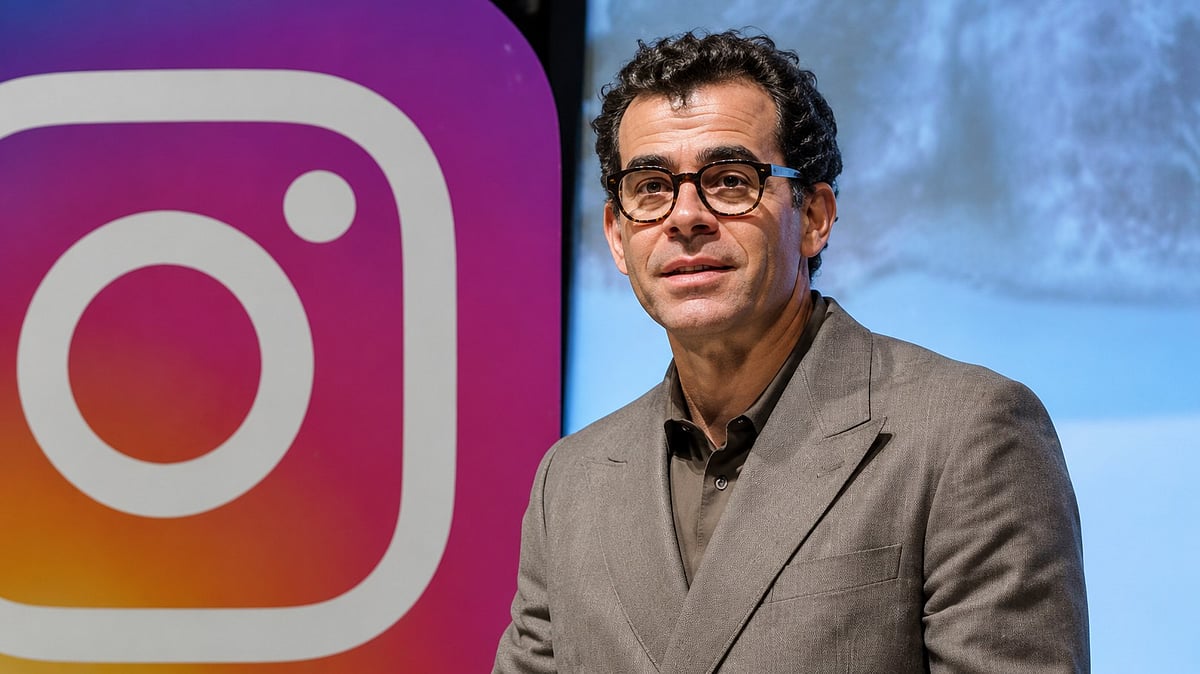
Adam Mosseri, the head of Instagram, testified in a lawsuit against Meta, denying claims that the company withheld findings on the effectiveness of its teen safety tools. The lawsuit, brought by 29 US states, alleges that Meta built its platforms to foster compulsive use among minors and worsened youth mental health outcomes.
Mosseri is the first senior Meta executive to take the stand in the case, which is being heard in federal court in Oakland. He denied pushing his team to conceal information, telling the court that he was not encouraging anyone to hide anything.
The 'Take a Break' feature, designed to nudge teenagers to log off after long stretches of scrolling, came under scrutiny during the questioning. Colorado prosecutor Jason Slothouber noted that only 1.8 percent of teens had turned the feature on, and pressed Mosseri on why that figure was never made public.
Mosseri said that Meta doesn't release every internal metric, but maintained that he had spoken publicly about low uptake on some features. The states allege that Meta deliberately engineered Instagram and Facebook to drive excessive engagement among children and teens, and links this design to rising rates of anxiety, depression, and other mental health issues in young users.
The case has significant implications for the social media industry, with potential damages running into the hundreds of billions of dollars and sweeping changes to how Meta runs its platforms for younger audiences. The trial is set to run through September, with Meta CEO Mark Zuckerberg among the executives still expected to testify.
The lawsuit also alleges that Meta gathered data from children under 13 without adequate parental consent. Meta has rejected the claims, characterizing the lawsuit as a bid for an outsized payout. The company says its safety teams continue working on tools to improve the experience for younger users.
The trial has already heard testimony from ex-Meta safety engineer Arturo Bejar, who alleged that the company took a lax approach internally to addressing child safety concerns. Psychologists and current and former employees have also testified on how social media use affects young people.
The outcome of the trial could reshape social media regulation, with implications for product design, child-safety standards, and broader regulatory scrutiny of social platforms. A finding against Meta could force the company to make significant changes to its platforms and could have a major impact on the social media industry as a whole.
The case is being closely watched by legal observers, who see it as a potential turning point for the industry. The trial is expected to continue through September, with more executives and experts set to testify. The outcome will have significant implications for Meta and the social media industry, and could lead to major changes in how companies design and operate their platforms for younger audiences.
In conclusion, the Meta trial has significant implications for the social media industry, with potential damages and sweeping changes to how companies operate their platforms for younger audiences. The outcome of the trial will be closely watched by legal observers and could have a major impact on the industry as a whole.
Frequently asked questions
What is the Meta trial about?
The Meta trial is a lawsuit brought by 29 US states against Meta, alleging that the company built its platforms to foster compulsive use among minors and worsened youth mental health outcomes.
What is the 'Take a Break' feature?
The 'Take a Break' feature is a tool designed to nudge teenagers to log off after long stretches of scrolling, but only 1.8 percent of teens have turned it on.