Utah Reservoir Rebounds with 715K Catches a Year
Utah's Strawberry Reservoir restored after 1990 fish removal, now thriving with native trout.
'%3E%3Crect%20width%3D'96'%20height%3D'96'%20fill%3D'%23B3261E'%2F%3E%3Ccircle%20cx%3D'30'%20cy%3D'24'%20r%3D'44'%20fill%3D'%23fff'%20opacity%3D'.12'%2F%3E%3Ccircle%20cx%3D'60'%20cy%3D'74'%20r%3D'40'%20fill%3D'%23000'%20opacity%3D'.10'%2F%3E%3C%2Fg%3E%3Cg%20fill%3D'%23fff'%3E%3Crect%20x%3D'29'%20y%3D'49'%20width%3D'8'%20height%3D'19'%20rx%3D'1'%2F%3E%3Crect%20x%3D'39'%20y%3D'40'%20width%3D'9'%20height%3D'28'%20rx%3D'1'%2F%3E%3Crect%20x%3D'50'%20y%3D'45'%20width%3D'8'%20height%3D'23'%20rx%3D'1'%2F%3E%3Crect%20x%3D'60'%20y%3D'53'%20width%3D'7'%20height%3D'15'%20rx%3D'1'%2F%3E%3Crect%20x%3D'41'%20y%3D'34'%20width%3D'5'%20height%3D'6'%2F%3E%3C%2Fg%3E%3C%2Fsvg%3E)
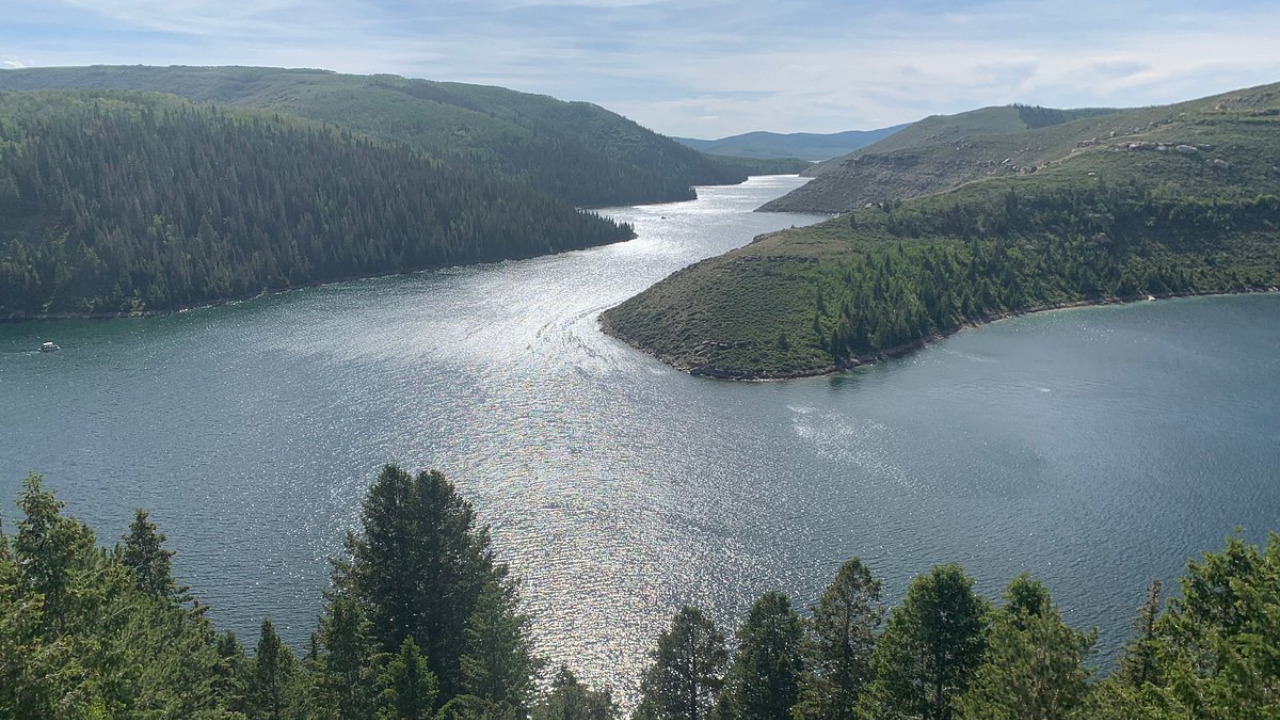
In 1990, Utah wildlife officials made the drastic decision to remove nearly all fish from Strawberry Reservoir using rotenone, a chemical that kills fish. This bold move was aimed at rejuvenating the ecosystem and halting the deterioration of the lake's environment. The removal was a success, with 99% of the fish population eliminated.
Following the removal, biologists introduced native trout to the reservoir to reinvigorate the food web and support recreational fishing. The introduction of native species has been a key factor in the reservoir's recovery. Today, the reservoir is thriving, with anglers catching an impressive 715,000 fish per year.
The restoration of Strawberry Reservoir is a testament to effective freshwater management. Enhanced barriers and regulations have been put in place to safeguard the aquatic habitat and prevent the introduction of non-native species. These measures have helped to maintain the balance of the ecosystem and ensure the long-term health of the reservoir.
The story of Strawberry Reservoir's recovery is an important one, as it highlights the importance of proactive conservation efforts. By taking drastic action to remove invasive species and introduce native ones, Utah wildlife officials have been able to restore a vital ecosystem. This approach can serve as a model for other conservation efforts around the world.
The use of rotenone to remove fish from the reservoir was a strategic decision, and one that has paid off. While the chemical can be harmful to humans and other animals, its use in this case was carefully controlled and monitored. The results have been impressive, with the reservoir's fish population rebounding in a big way.
In addition to the environmental benefits, the restoration of Strawberry Reservoir has also had economic benefits. The reservoir is now a popular destination for anglers, with many visiting the area to catch trout and other species. This has helped to boost local businesses and support the local economy.
Overall, the story of Strawberry Reservoir's recovery is one of hope and renewal. It shows that with careful planning and management, even the most damaged ecosystems can be restored to health. The reservoir's rebound is a testament to the power of conservation efforts and the importance of protecting our natural resources.
The recovery of Strawberry Reservoir has significant implications for freshwater management and conservation. It highlights the importance of taking proactive steps to protect and restore ecosystems, and demonstrates the potential for successful conservation efforts. As the world grapples with the challenges of environmental degradation and conservation, the story of Strawberry Reservoir serves as a powerful reminder of the importance of protecting our natural resources.
In conclusion, the restoration of Strawberry Reservoir is a remarkable success story that highlights the importance of conservation efforts and effective freshwater management. The reservoir's rebound from a damaged ecosystem to a thriving one is a testament to the power of proactive conservation and the importance of protecting our natural resources.
Frequently asked questions
What was the purpose of removing fish from Strawberry Reservoir in 1990?
The purpose was to rejuvenate the ecosystem and halt the deterioration of the lake's environment.
How many fish are caught annually in Strawberry Reservoir now?
Anglers catch an impressive 715,000 fish per year.