Indian Envoy Jokes About PM Modi's Press Conferences
Indian Ambassador Rudrendra Tandon responds to question about PM Modi's media engagement style

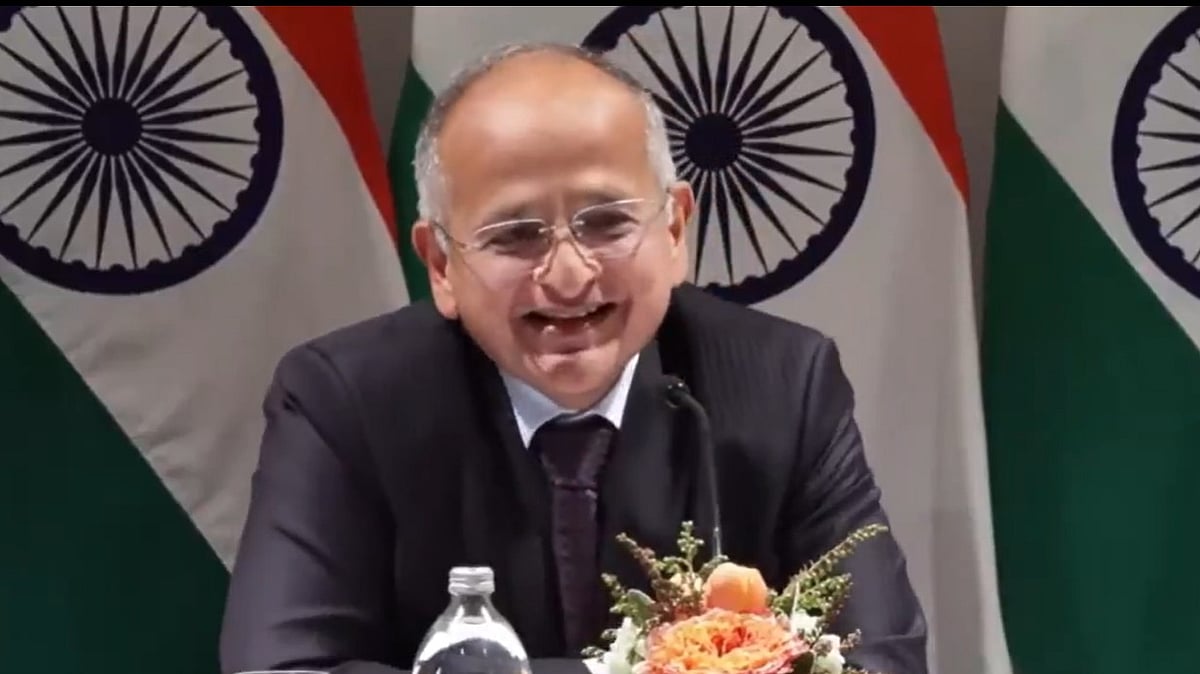
A recent media briefing in Auckland featured a light-hearted exchange between Indian Ambassador Rudrendra Tandon and a New Zealand journalist. The journalist asked why Prime Minister Narendra Modi had not held a press conference during his visit, prompting Tandon to jokingly remark 'Deja Vu'.
The question was posed during a Ministry of External Affairs briefing, where the journalist sought to understand why PM Modi had not interacted with the New Zealand media through a formal press conference. Tandon smiled and replied that the question was causing him some deja vu, drawing laughter from those present.
As a civil servant, Tandon clarified that it would not be appropriate for him to comment on or question the Prime Minister's political approach. He went on to explain that PM Modi's communication style is centered on engaging directly with the public rather than through intermediaries.
Tandon stated that India's voters have consistently preferred direct engagement with the Prime Minister, highlighting PM Modi's success in perfecting the art of direct contact with his electorate. The ambassador noted that PM Modi is one of the longest-serving Prime Ministers, currently in his third term.
The exchange underscored the government's position that Modi's communication strategy focuses on direct outreach through public rallies, addresses, and digital platforms rather than traditional press conferences. Tandon's 'Deja Vu' remark appeared to reference a similar moment during PM Modi's visit to Norway in May 2026, where a Norwegian journalist asked the Prime Minister why he avoids taking questions from journalists during press conferences.
The Auckland briefing revived the debate over the Prime Minister's media engagement style, with the ambassador using humor to acknowledge that the same question had resurfaced during another overseas visit. The incident has sparked discussion about PM Modi's approach to interacting with the media and the public.
The Indian government's position on PM Modi's communication strategy is clear: direct outreach and engagement with the public are preferred over traditional press conferences. This approach has been successful for PM Modi, who has built a strong connection with his electorate.
The debate over PM Modi's media engagement style is likely to continue, with some arguing that traditional press conferences are essential for transparency and accountability. However, the Indian Ambassador's response suggests that the government is committed to its current approach, which prioritizes direct contact with the public.
In the context of Indian politics, PM Modi's communication strategy is significant. As one of the longest-serving Prime Ministers, he has perfected the art of direct contact with his electorate. This approach has contributed to his success and popularity among Indian voters.
The incident in Auckland highlights the ongoing debate about PM Modi's media engagement style and the government's approach to interacting with the public. As India continues to play a significant role on the global stage, the way its leaders engage with the media and the public will remain an important issue.
In conclusion, the exchange between the Indian Ambassador and the New Zealand journalist has sparked a renewed debate about PM Modi's media engagement style. The incident highlights the government's commitment to direct outreach and engagement with the public, which has been a key factor in PM Modi's success. As India moves forward, it will be interesting to see how the government's approach to media engagement evolves and how it impacts the country's political landscape.
The significance of this incident extends beyond India's borders, as it reflects the evolving nature of political communication in the digital age. Leaders around the world are increasingly using digital platforms and direct outreach to engage with their electorates, and PM Modi's approach is a notable example of this trend.
Overall, the debate over PM Modi's media engagement style is a complex and multifaceted issue, reflecting the changing nature of political communication and the evolving expectations of the public. As the discussion continues, it will be essential to consider the implications of this approach for transparency, accountability, and the health of India's democracy.
In the end, the Indian Ambassador's humorous response to the journalist's question has sparked a timely and important debate about the role of media engagement in modern politics. As India and the world watch, it will be fascinating to see how this debate unfolds and what it reveals about the future of political communication.