Ram Temple CEO Role To Be Decided By Trust
Ram Temple Construction Committee Chairman Nripendra Mishra says the CEO's responsibilities will be determined by the trust, with no government interference. The CEO will oversee financial arrangements and ensure devotees' faith in the trust.

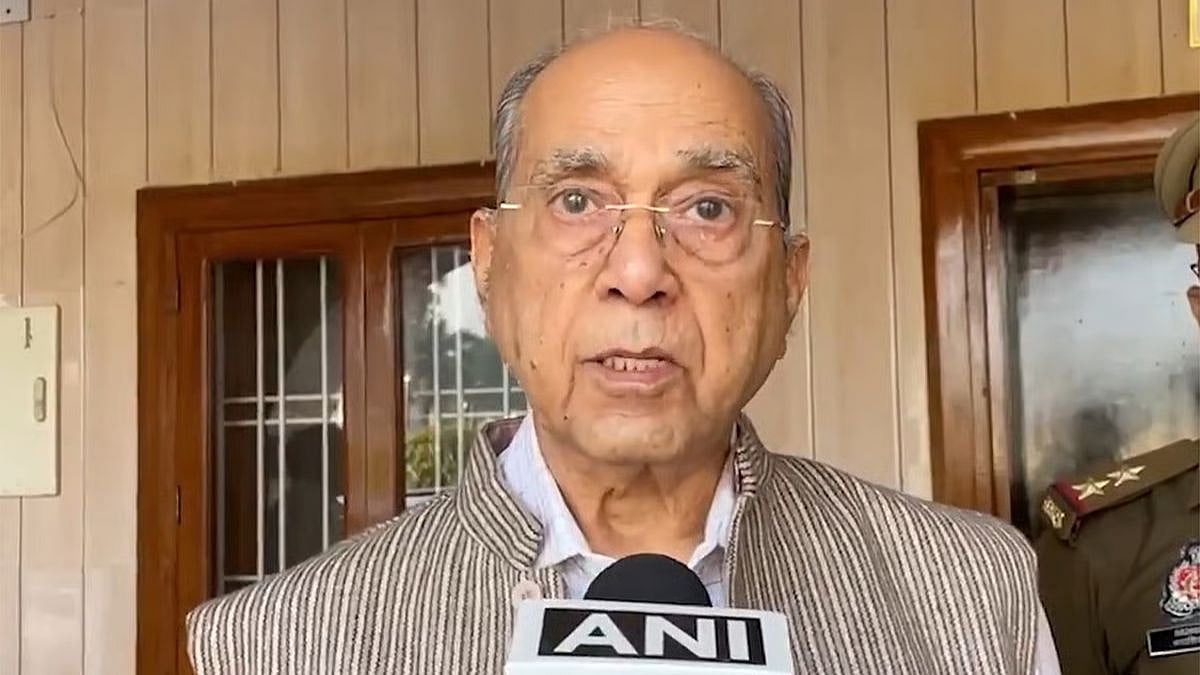
The Ram Temple Construction Committee Chairman, Nripendra Mishra, has stated that the responsibilities and powers of the first-ever Chief Executive Officer (CEO) of the Ayodhya temple will be determined by the temple Trust. This decision was made to ensure the trust's autonomy and to prevent any government interference in its functioning.
Mishra explained that the primary responsibility of the CEO will be to uphold the faith of the devotees in the trust. The CEO will also oversee financial arrangements and ensure that devotees visiting Ayodhya receive all necessary amenities. Mishra emphasized that the CEO will work as an assistant to the trust, without any government interference.
A three-member panel has been set up to recommend suitable candidates for the CEO's post to the trust. The panel consists of justice (retired) Pramod Kohli, lieutenant general (retired) Vishnukant Chaturvedi, and former NIT Raipur chairperson Suresh Haware. The trust will ultimately decide how much authority to delegate to the CEO, who will be responsible for arranging their own staff.
Mishra denied any involvement in the committee's meetings, stating that he would only attend meetings related to construction. He also claimed that there have been no complaints from devotees visiting the Ram temple in Ayodhya, and that they feel positively about their experience.
The Ram temple trust has been established to oversee the construction and management of the temple. The trust's autonomy is seen as crucial to ensuring the temple's success and to maintaining the faith of devotees. Mishra's statement emphasizes the trust's commitment to independence and transparency.
The selection process for the CEO's post is ongoing, with the three-member panel screening candidates and making recommendations to the trust. The trust's decision on the CEO's role and responsibilities will be crucial in determining the temple's future direction.
The Ram temple in Ayodhya is a significant cultural and religious site in India, attracting millions of devotees every year. The temple's construction and management are seen as a major undertaking, requiring careful planning and execution.
In the context of Indian culture and religion, the Ram temple holds a special significance. The temple is dedicated to Lord Ram, who is revered as a major deity in Hinduism. The temple's construction is seen as a way to promote faith, culture, and tourism in the region.
The Indian government has been supportive of the temple's construction, with Prime Minister Narendra Modi attending the groundbreaking ceremony in 2020. However, the government has also emphasized the importance of the trust's autonomy and independence.
In conclusion, the Ram Temple Construction Committee Chairman's statement emphasizes the trust's commitment to autonomy and transparency. The selection process for the CEO's post is ongoing, and the trust's decision on the CEO's role and responsibilities will be crucial in determining the temple's future direction.