Pennsylvania Wetland Held Water for 4.65 Hours
Drone tests show brief water retention, raising concerns. Pennsylvania wetland study reveals surprising results.
'%3E%3Crect%20width%3D'96'%20height%3D'96'%20fill%3D'%23B3261E'%2F%3E%3Ccircle%20cx%3D'30'%20cy%3D'24'%20r%3D'44'%20fill%3D'%23fff'%20opacity%3D'.12'%2F%3E%3Ccircle%20cx%3D'60'%20cy%3D'74'%20r%3D'40'%20fill%3D'%23000'%20opacity%3D'.10'%2F%3E%3C%2Fg%3E%3Cg%20fill%3D'%23fff'%3E%3Crect%20x%3D'29'%20y%3D'49'%20width%3D'8'%20height%3D'19'%20rx%3D'1'%2F%3E%3Crect%20x%3D'39'%20y%3D'40'%20width%3D'9'%20height%3D'28'%20rx%3D'1'%2F%3E%3Crect%20x%3D'50'%20y%3D'45'%20width%3D'8'%20height%3D'23'%20rx%3D'1'%2F%3E%3Crect%20x%3D'60'%20y%3D'53'%20width%3D'7'%20height%3D'15'%20rx%3D'1'%2F%3E%3Crect%20x%3D'41'%20y%3D'34'%20width%3D'5'%20height%3D'6'%2F%3E%3C%2Fg%3E%3C%2Fsvg%3E)
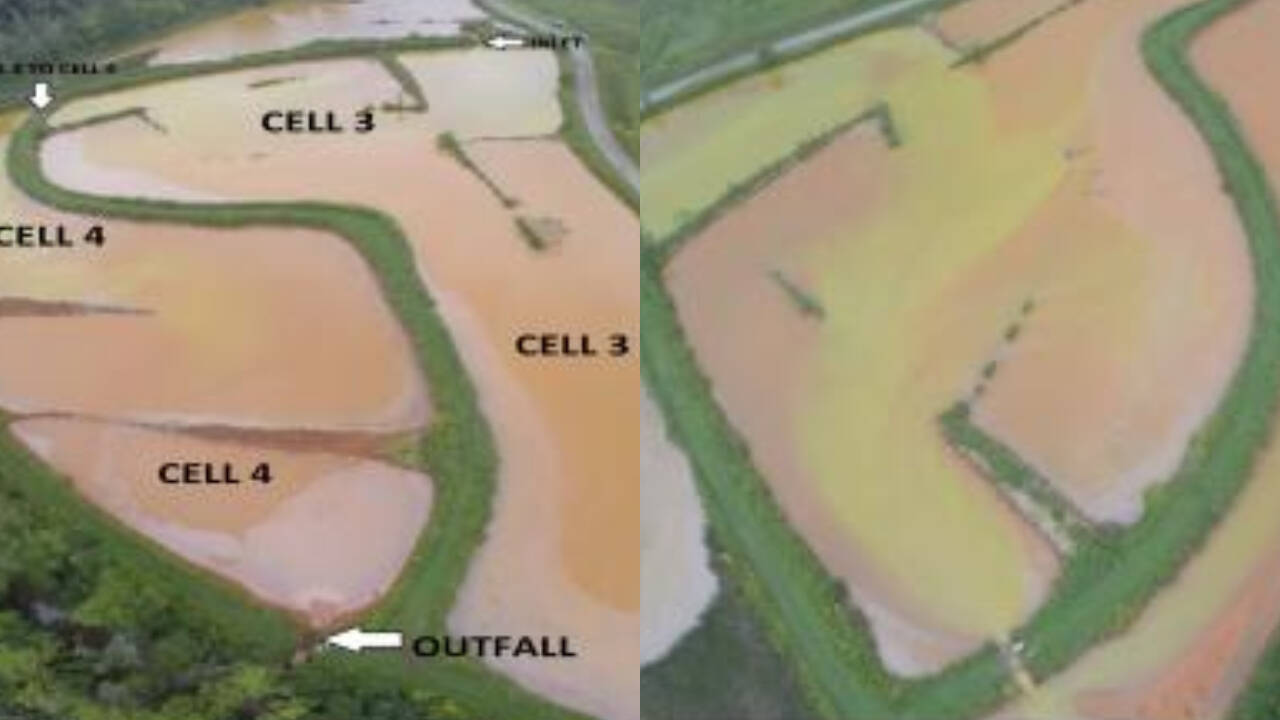
A recent study using drone tests in a Pennsylvania wetland has revealed that the area held water for a remarkably short period of just 4.65 hours. This finding has significant implications for our understanding of wetland ecosystems and their ability to retain water.
The study utilized drone technology to monitor and track the water levels in the wetland over a set period. The results showed that the water was retained for a much shorter duration than expected, with an average retention time of 4.65 hours.
Wetlands play a crucial role in maintaining healthy ecosystems, and their ability to retain water is essential for supporting plant and animal life. The brief water retention period observed in this study raises concerns about the potential impact on the local environment and the species that depend on the wetland.
The Pennsylvania wetland is one of many such areas being studied to better understand their dynamics and importance in the ecosystem. The use of drone technology in this study highlights the potential for remote sensing and monitoring to provide valuable insights into wetland behavior.
The findings of this study have important implications for conservation and management efforts. Understanding the water retention capabilities of wetlands is essential for developing effective strategies to protect and preserve these critical ecosystems.
In the context of environmental conservation, the study's results emphasize the need for continued research and monitoring of wetland ecosystems. By gaining a deeper understanding of these complex systems, we can work towards developing more effective conservation strategies and protecting these vital areas for future generations.
The study's results also underscore the importance of considering the unique characteristics of each wetland when developing conservation plans. The brief water retention period observed in this Pennsylvania wetland may not be representative of all wetlands, and further research is needed to understand the variability in water retention capabilities across different ecosystems.
In conclusion, the drone tests conducted in the Pennsylvania wetland have provided valuable insights into the area's water retention capabilities. The findings of this study highlight the need for continued research and conservation efforts to protect these critical ecosystems and support the plant and animal life that depend on them.
The implications of this study extend beyond the local environment, with potential applications for wetland conservation and management efforts globally. As we continue to face the challenges of environmental conservation, studies like this one remind us of the importance of ongoing research and monitoring to inform our efforts and ensure the long-term health of our planet's ecosystems.
Frequently asked questions
How long did the Pennsylvania wetland hold water for?
The Pennsylvania wetland held water for 4.65 hours, according to drone tests.
Why is water retention important in wetlands?
Water retention is essential for supporting plant and animal life in wetlands, and is crucial for maintaining healthy ecosystems.