Saudi Prince Tows Alaskan Iceberg to Iowa in 1977
A Saudi prince attempted to tow an iceberg to Iowa in 1977. The goal was to provide drinking water.
'%3E%3Crect%20width%3D'96'%20height%3D'96'%20fill%3D'%23B3261E'%2F%3E%3Ccircle%20cx%3D'30'%20cy%3D'24'%20r%3D'44'%20fill%3D'%23fff'%20opacity%3D'.12'%2F%3E%3Ccircle%20cx%3D'60'%20cy%3D'74'%20r%3D'40'%20fill%3D'%23000'%20opacity%3D'.10'%2F%3E%3C%2Fg%3E%3Cg%20fill%3D'%23fff'%3E%3Crect%20x%3D'29'%20y%3D'49'%20width%3D'8'%20height%3D'19'%20rx%3D'1'%2F%3E%3Crect%20x%3D'39'%20y%3D'40'%20width%3D'9'%20height%3D'28'%20rx%3D'1'%2F%3E%3Crect%20x%3D'50'%20y%3D'45'%20width%3D'8'%20height%3D'23'%20rx%3D'1'%2F%3E%3Crect%20x%3D'60'%20y%3D'53'%20width%3D'7'%20height%3D'15'%20rx%3D'1'%2F%3E%3Crect%20x%3D'41'%20y%3D'34'%20width%3D'5'%20height%3D'6'%2F%3E%3C%2Fg%3E%3C%2Fsvg%3E)
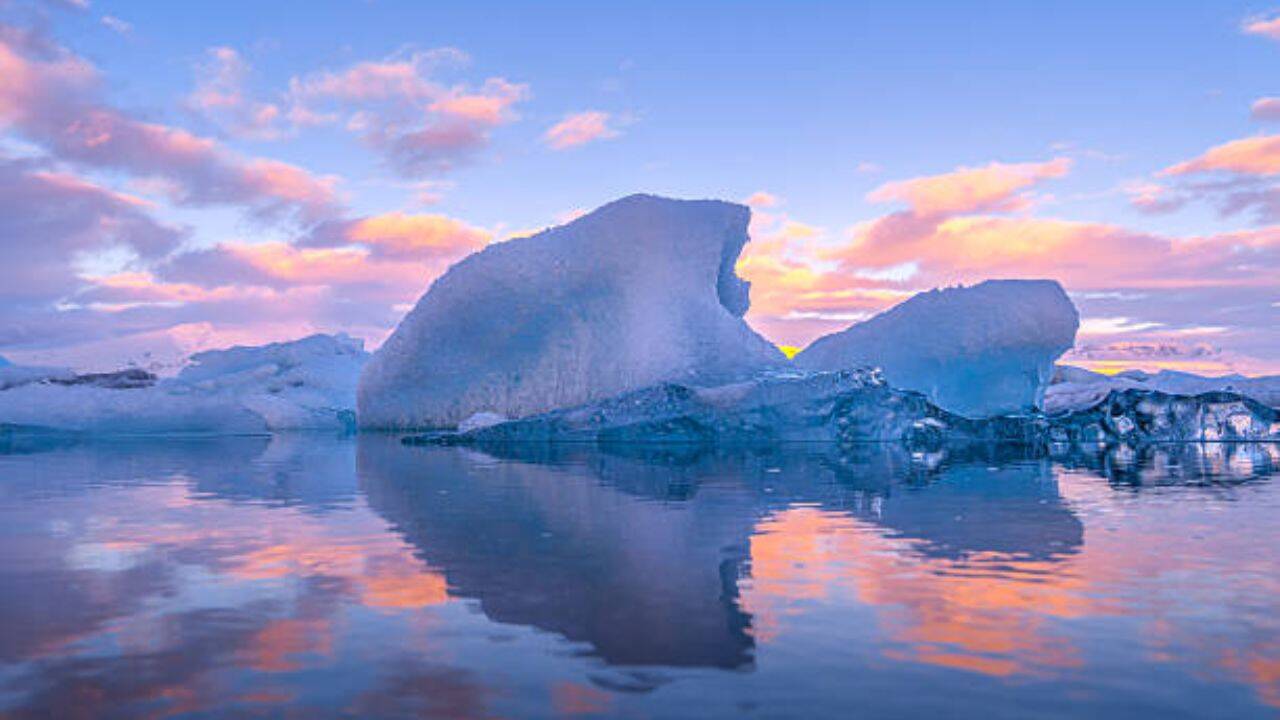
In 1977, a Saudi prince undertook a unique project to address a water supply issue by towing an Alaskan iceberg to Iowa. The ambitious venture faced significant engineering challenges and substantial costs. At the time, the prince's goal was to provide a new source of freshwater, as traditional desalination methods were proving expensive and harmful to the environment.
The project involved transporting a massive iceberg from Alaska to Iowa, a distance of over 4,000 miles. The journey was fraught with difficulties, including the risk of the iceberg melting or breaking apart during transit. Despite these challenges, the prince's team persevered, driven by the potential benefits of their innovative approach.
The idea of towing icebergs as a source of freshwater is not new, but it has gained renewed attention in recent years. As the world grapples with the growing issue of iceberg melting, engineers are re-examining the practicality of transporting icebergs as a viable solution. With current desalination methods proving costly and environmentally taxing, the prospect of harnessing icebergs as a source of freshwater is becoming increasingly appealing.
The Saudi prince's project in 1977 was a pioneering effort in this field, and although it faced numerous challenges, it paved the way for future research and development. Today, scientists and engineers are exploring new technologies and methods to make iceberg transportation more efficient and cost-effective.
One of the primary advantages of using icebergs as a source of freshwater is their potential to provide a sustainable and renewable resource. Icebergs are formed from compacted snow and ice, which are abundant in polar regions. By harnessing this resource, communities could reduce their reliance on traditional desalination methods, which are often energy-intensive and environmentally harmful.
However, the challenges associated with towing icebergs are significant. The process requires specialized equipment and expertise, and the risk of accidents or environmental damage is high. Furthermore, the cost of transporting icebergs over long distances is substantial, making it a less viable option for many communities.
Despite these challenges, researchers continue to explore the potential of iceberg transportation as a source of freshwater. With advancements in technology and engineering, it may be possible to overcome the obstacles associated with this approach and provide a sustainable solution to the growing global water crisis.
In conclusion, the Saudi prince's project in 1977 was a groundbreaking effort to address a pressing water supply issue. Although the venture faced significant challenges, it has inspired new research and development in the field of iceberg transportation. As the world continues to grapple with the complexities of providing sustainable and renewable freshwater resources, the idea of towing icebergs may yet prove to be a viable solution.
The significance of this project lies in its potential to provide a new source of freshwater for communities around the world. As the global water crisis continues to worsen, innovative solutions like iceberg transportation may become increasingly important. By exploring new technologies and methods, scientists and engineers can help to make this approach more efficient, cost-effective, and environmentally sustainable.
In the context of the global water crisis, the Saudi prince's project in 1977 serves as a reminder of the importance of innovative thinking and experimentation. By pushing the boundaries of what is possible, researchers and engineers can help to develop new solutions to pressing environmental challenges. As the world continues to evolve and grow, the need for sustainable and renewable resources will only continue to increase, making projects like the Saudi prince's iceberg transportation venture all the more relevant and timely.
The project's impact on the environment and the potential benefits of using icebergs as a source of freshwater are still being studied and debated. However, one thing is clear: the Saudi prince's pioneering effort in 1977 has paved the way for future research and development in this field, and its significance will continue to be felt for years to come.
The growing interest in iceberg transportation as a source of freshwater is a testament to the enduring legacy of the Saudi prince's project. As scientists and engineers continue to explore new technologies and methods, the potential benefits of this approach will become increasingly apparent. Whether or not iceberg transportation ultimately proves to be a viable solution to the global water crisis, the Saudi prince's project in 1977 will always be remembered as a bold and innovative effort to address a pressing environmental challenge.
In the end, the Saudi prince's project serves as a reminder of the importance of creativity, innovation, and perseverance in the face of adversity. By pushing the boundaries of what is possible, researchers and engineers can help to develop new solutions to pressing environmental challenges, and the world will be a better place for it.
Frequently asked questions
What was the purpose of the Saudi prince's iceberg project in 1977?
The purpose of the project was to provide a new source of freshwater by towing an Alaskan iceberg to Iowa.
Is iceberg transportation a viable solution to the global water crisis?
Researchers are revisiting the practicality of transporting icebergs as a viable source of freshwater, but the approach still faces significant challenges and costs.