SC: EC Can Delete Doubtful Voters
Supreme Court rules on EC powers, seeks Bengal response
'%3E%3Crect%20width%3D'96'%20height%3D'96'%20fill%3D'%231A5276'%2F%3E%3Ccircle%20cx%3D'30'%20cy%3D'24'%20r%3D'44'%20fill%3D'%23fff'%20opacity%3D'.12'%2F%3E%3Ccircle%20cx%3D'60'%20cy%3D'74'%20r%3D'40'%20fill%3D'%23000'%20opacity%3D'.10'%2F%3E%3C%2Fg%3E%3Cg%20fill%3D'%23fff'%3E%3Cpath%20d%3D'M31%2041%20L48%2031%20L65%2041%20Z'%2F%3E%3Crect%20x%3D'33'%20y%3D'43'%20width%3D'4'%20height%3D'17'%2F%3E%3Crect%20x%3D'41'%20y%3D'43'%20width%3D'4'%20height%3D'17'%2F%3E%3Crect%20x%3D'51'%20y%3D'43'%20width%3D'4'%20height%3D'17'%2F%3E%3Crect%20x%3D'59'%20y%3D'43'%20width%3D'4'%20height%3D'17'%2F%3E%3Crect%20x%3D'30'%20y%3D'62'%20width%3D'36'%20height%3D'4'%20rx%3D'1'%2F%3E%3C%2Fg%3E%3C%2Fsvg%3E)
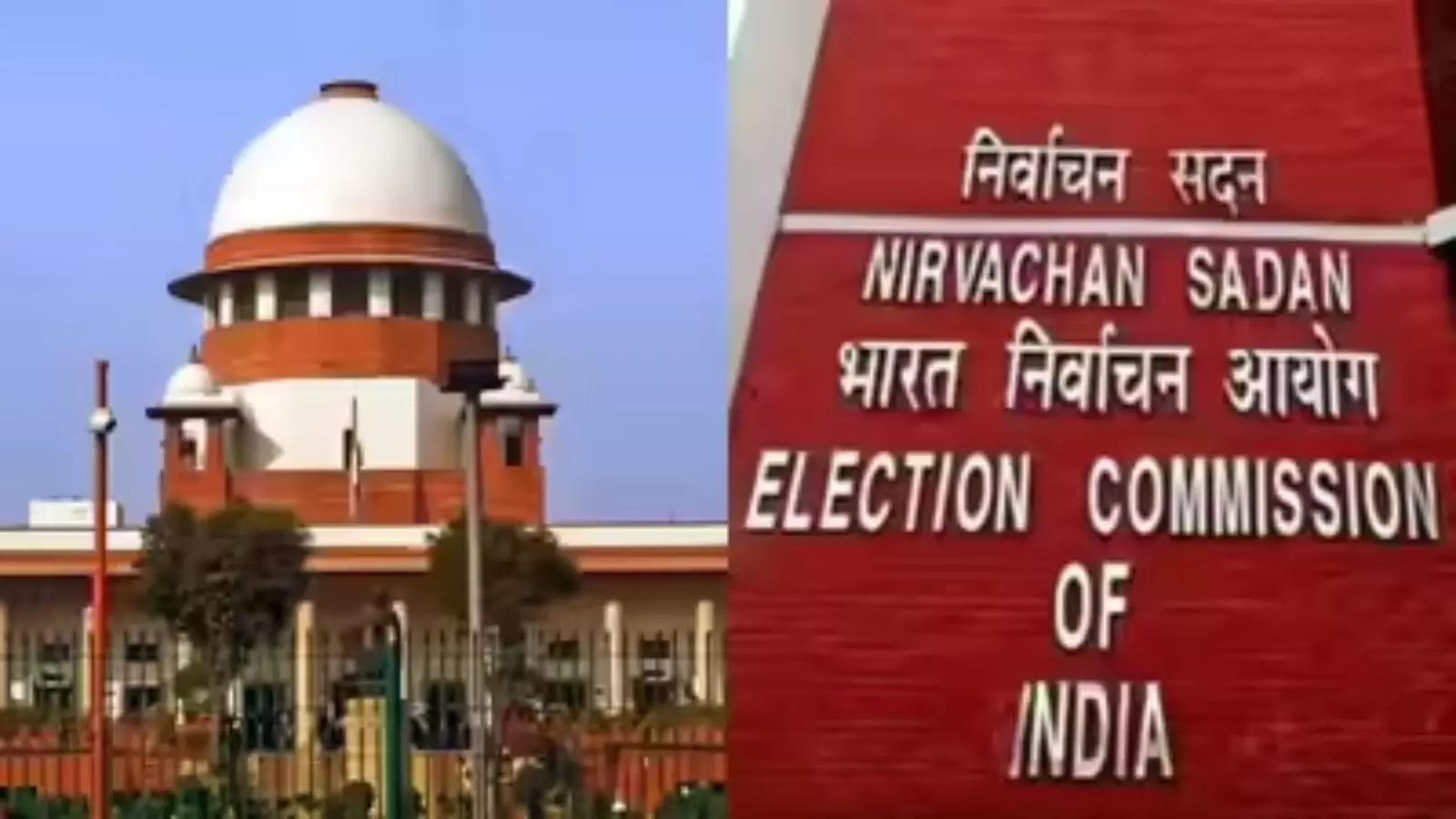
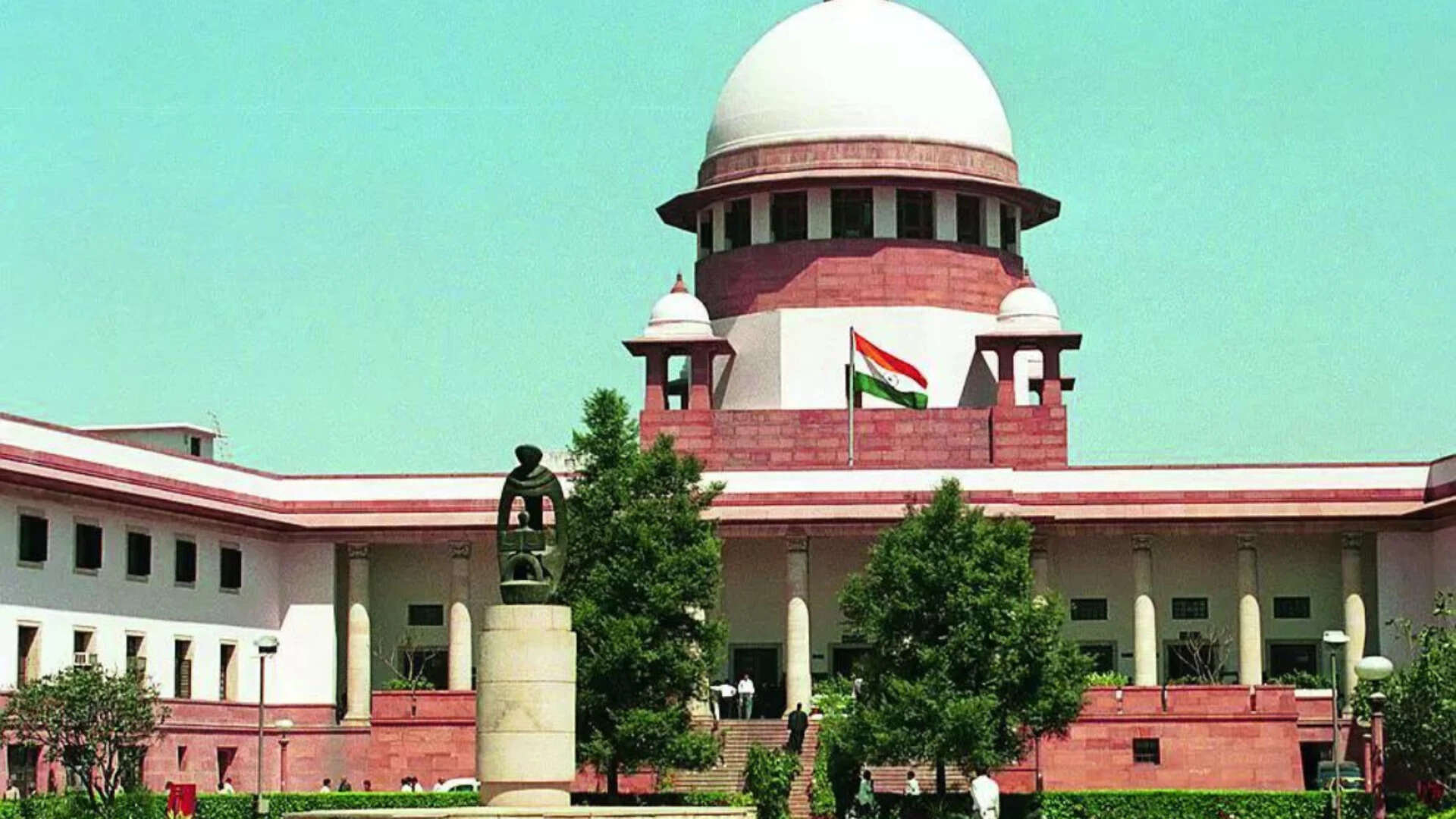
The Supreme Court has ruled that the Election Commission (EC) has the authority to delete doubtful voters from the electoral rolls. However, the court also clarified that the EC does not have the power to decide on an individual's citizenship.
The court's decision came in response to a petition challenging the EC's decision to delete certain voters from the electoral rolls in West Bengal. The petitioners had argued that the EC's decision was arbitrary and violated their right to vote.
The Supreme Court has now sought a response from the West Bengal government on allegations that ration cards were being denied to voters who had been deleted from the electoral rolls. The court has asked the state government to file a reply within two weeks.
The EC had argued that it had the power to delete names from the electoral rolls if it suspected that they were not genuine voters. The commission had cited several cases of bogus voting and impersonation in the past.
The Supreme Court's decision is significant as it clarifies the powers of the EC in maintaining the integrity of the electoral process. The court's ruling also highlights the importance of ensuring that only genuine voters are allowed to exercise their franchise.
The issue of doubtful voters has been a contentious one in West Bengal, with allegations of large-scale bogus voting in the past. The state government had been accused of denying ration cards and other benefits to voters who had been deleted from the electoral rolls.
The Supreme Court's decision is expected to have implications for the upcoming elections in the state. The court's ruling will ensure that the electoral process is fair and transparent, and that only genuine voters are allowed to participate.
The Election Commission has welcomed the Supreme Court's decision, saying that it will help to maintain the integrity of the electoral process. The commission has also assured that it will take all necessary steps to ensure that the electoral rolls are accurate and up-to-date.
The Supreme Court's decision is a significant step towards ensuring the integrity of the electoral process in India. The court's ruling will help to prevent bogus voting and impersonation, and will ensure that only genuine voters are allowed to exercise their franchise.
In the context of Indian democracy, the Supreme Court's decision is a reminder of the importance of free and fair elections. The court's ruling will help to maintain the trust of the people in the electoral process, and will ensure that the democratic institutions in the country continue to function smoothly.
The issue of citizenship is a complex one, and the Supreme Court's decision highlights the need for a clear and transparent process for determining citizenship. The court's ruling will help to prevent confusion and uncertainty, and will ensure that the rights of citizens are protected.
In conclusion, the Supreme Court's decision is a significant step towards ensuring the integrity of the electoral process in India. The court's ruling will help to prevent bogus voting and impersonation, and will ensure that only genuine voters are allowed to exercise their franchise. The decision is also a reminder of the importance of free and fair elections, and the need for a clear and transparent process for determining citizenship.