US, EU Reject China's Sea Claims
US, EU, and 13 nations oppose Beijing's claims. China's claims lack legal basis.

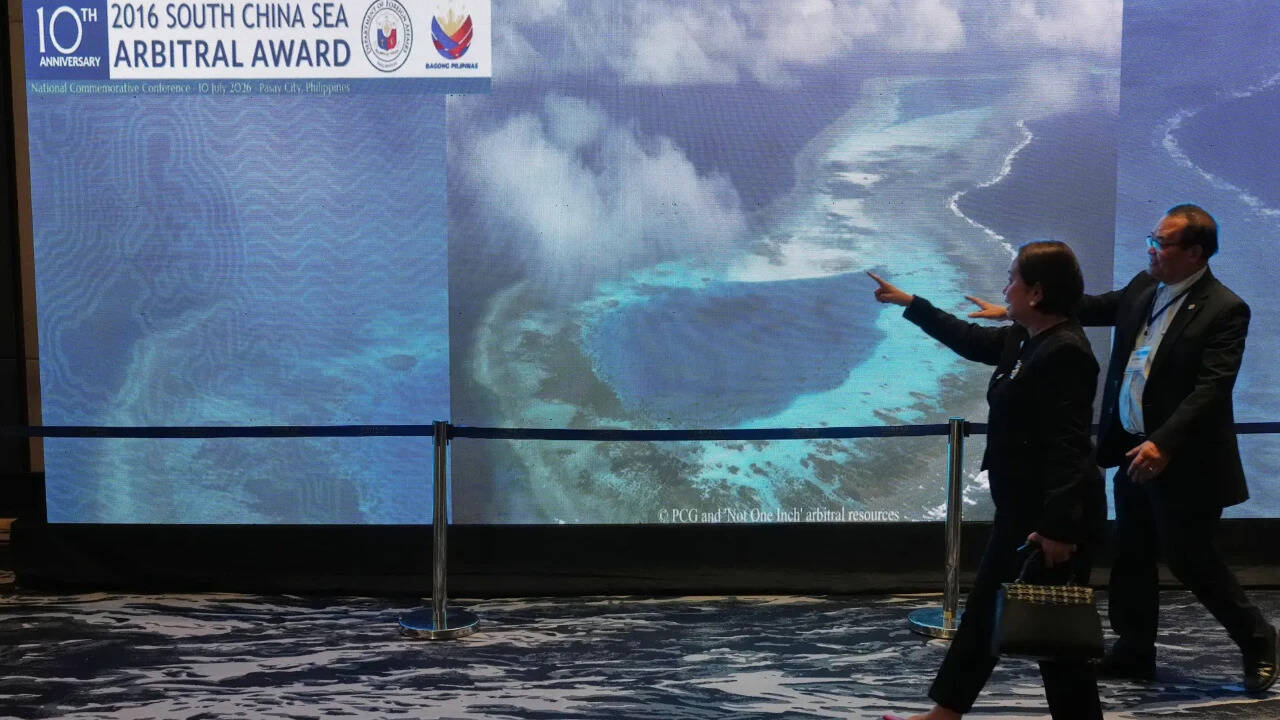
The United States, the European Union, and 13 other nations have rejected China's claims to the South China Sea, stating that they have no legal basis. This rejection is a significant blow to China's attempts to assert its dominance over the disputed waters.
The South China Sea is a vital trade route, with a significant portion of global trade passing through it. China's claims to the area have been a source of tension with neighboring countries, including the Philippines, Vietnam, and Malaysia.
The US, EU, and other opposing nations have based their rejection on international law, specifically the United Nations Convention on the Law of the Sea (UNCLOS). They argue that China's claims are not supported by the convention and are therefore invalid.
China has been increasing its military presence in the South China Sea in recent years, building artificial islands and deploying troops to the area. This has led to increased tensions with neighboring countries and the US, which has been conducting freedom of navigation exercises in the area.
The rejection of China's claims by the US, EU, and other nations is a significant development in the ongoing dispute over the South China Sea. It is likely to increase tensions between China and the opposing nations, and may lead to further diplomatic and military action.
The South China Sea dispute is a complex issue, with multiple countries and interests involved. The area is rich in natural resources, including oil, gas, and fish, and is a critical trade route. The dispute has significant implications for regional stability and global trade.
The US, EU, and other opposing nations have made it clear that they will not recognize China's claims to the South China Sea. They have called on China to respect international law and the rights of other nations in the area.
In recent years, China has been increasingly assertive in its claims to the South China Sea. It has built artificial islands, deployed troops, and increased its military presence in the area. This has led to increased tensions with neighboring countries and the US.
The rejection of China's claims is a significant blow to its attempts to assert its dominance over the South China Sea. It is likely to lead to further diplomatic and military action in the area, and may have significant implications for regional stability and global trade.
The international community is watching the situation in the South China Sea closely, and is calling on all parties to respect international law and the rights of other nations. The dispute has significant implications for global trade and regional stability, and a peaceful resolution is critical.
In conclusion, the rejection of China's claims to the South China Sea by the US, EU, and 13 other nations is a significant development in the ongoing dispute. It is likely to increase tensions between China and the opposing nations, and may lead to further diplomatic and military action. The international community is calling on all parties to respect international law and the rights of other nations, and a peaceful resolution is critical.