UPI MDR On Transactions Above ₹2,000 To Start Soon
UPI transactions above ₹2,000 may have MDR, government to issue gazette notification, no direct charge to consumers
'%3E%3Crect%20width%3D'96'%20height%3D'96'%20fill%3D'%231B5E20'%2F%3E%3Ccircle%20cx%3D'30'%20cy%3D'24'%20r%3D'44'%20fill%3D'%23fff'%20opacity%3D'.12'%2F%3E%3Ccircle%20cx%3D'60'%20cy%3D'74'%20r%3D'40'%20fill%3D'%23000'%20opacity%3D'.10'%2F%3E%3C%2Fg%3E%3Cg%3E%3Ccircle%20cx%3D'48'%20cy%3D'48'%20r%3D'15'%20fill%3D'%23fff'%2F%3E%3Cpath%20d%3D'M43%2034%20Q50%2048%2043%2062'%20fill%3D'none'%20stroke%3D'%238a94a6'%20stroke-width%3D'2.4'%2F%3E%3Cpath%20d%3D'M47%2033%20Q54%2048%2047%2063'%20fill%3D'none'%20stroke%3D'%238a94a6'%20stroke-width%3D'1.8'%20stroke-dasharray%3D'1.5%203'%2F%3E%3C%2Fg%3E%3C%2Fsvg%3E)
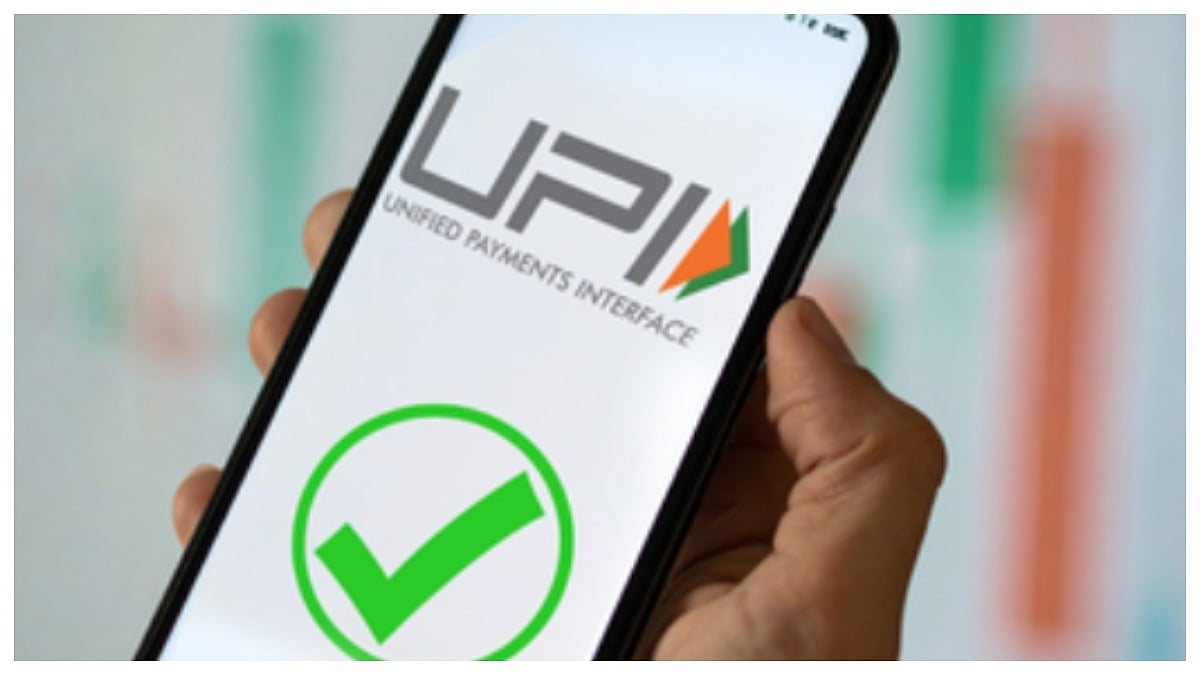
The Indian government is set to introduce a Merchant Discount Rate (MDR) on UPI transactions above ₹2,000 within the next two weeks. This move is expected to be initiated through a gazette notification issued by the Department of Financial Services.
The notification will specify the electronic payment methods that will receive statutory protection from MDR. Following this, a Services Steering Committee headed by the National Payments Corporation of India (NPCI) will determine the framework, scope, and rate structure for the proposed levy.
MDR refers to the fee charged to merchants by banks and payment service providers for processing digital transactions. The proposed change marks a significant shift from India's existing Zero MDR framework for UPI payments. However, the government has assured that any MDR introduced for qualifying transactions will not be directly passed on to consumers.
Finance Minister Nirmala Sitharaman has stated that users will continue to make UPI payments without paying a transaction fee. This assurance was also provided during parliamentary discussions on the Taxation and Other Laws (Amendment) Bill, 2026. The legislation amended the Payments and Settlement Systems Act, 2007, allowing MDR to be introduced for digital transactions above a specified threshold.
India introduced Zero MDR for UPI and other specified digital payments in January 2020 to encourage the adoption of cashless transactions. Before that, digital payments could attract a fee of up to 0.3%, with MDR being charged to merchants and other businesses. The proposed threshold-based system would represent a partial departure from the current policy rather than a return to universal MDR.
The final structure, including the precise rate and transactions covered, is expected to be determined after the government notification and subsequent deliberations by the NPCI-led committee. The key issue for merchants will be how the additional payment-processing cost affects their digital transaction economics, while consumers are expected to remain protected from direct charges.
The introduction of MDR on UPI transactions above ₹2,000 is a significant development in India's digital payments landscape. It is expected to have implications for merchants, consumers, and the overall growth of digital transactions in the country.
The government's decision to introduce MDR is aimed at encouraging digital payments while also ensuring that merchants are able to absorb the additional costs. The NPCI-led committee will play a crucial role in determining the framework and rate structure for the proposed levy.
In the coming weeks, the government is expected to provide more clarity on the implementation of MDR on UPI transactions above ₹2,000. This will help merchants and consumers understand the implications of the proposed change and prepare for its implementation.
Overall, the introduction of MDR on UPI transactions above ₹2,000 is a significant step towards regulating digital payments in India. It is expected to have far-reaching implications for the country's digital economy and will be closely watched by stakeholders in the industry.
The proposed change is also expected to impact the growth of digital transactions in India. With the introduction of MDR, merchants may need to reassess their digital transaction economics and adjust their business models accordingly. However, the government's assurance that consumers will not be directly charged is expected to provide relief to users of UPI payments.
In conclusion, the introduction of MDR on UPI transactions above ₹2,000 is a significant development in India's digital payments landscape. It is expected to have implications for merchants, consumers, and the overall growth of digital transactions in the country. The government's decision to introduce MDR is aimed at encouraging digital payments while also ensuring that merchants are able to absorb the additional costs.
Frequently asked questions
What is MDR and how will it affect UPI transactions?
MDR is a fee charged to merchants by banks and payment service providers for processing digital transactions. It will be introduced on UPI transactions above ₹2,000, but consumers will not be directly charged.
When is the MDR on UPI transactions above ₹2,000 expected to start?
The MDR is expected to start within the next two weeks, after the government issues a gazette notification and the NPCI-led committee determines the framework and rate structure.