Trump Threatens 50% Tariffs On Canadian Autos
US-Canada trade war escalates, tariffs to rise on January 1, 2027. Canada to retaliate with own tariffs.
'%3E%3Crect%20width%3D'96'%20height%3D'96'%20fill%3D'%234A235A'%2F%3E%3Ccircle%20cx%3D'30'%20cy%3D'24'%20r%3D'44'%20fill%3D'%23fff'%20opacity%3D'.12'%2F%3E%3Ccircle%20cx%3D'60'%20cy%3D'74'%20r%3D'40'%20fill%3D'%23000'%20opacity%3D'.10'%2F%3E%3C%2Fg%3E%3Cg%20fill%3D'none'%20stroke%3D'%23fff'%20stroke-width%3D'3'%3E%3Ccircle%20cx%3D'48'%20cy%3D'48'%20r%3D'16'%2F%3E%3Cellipse%20cx%3D'48'%20cy%3D'48'%20rx%3D'6.5'%20ry%3D'16'%2F%3E%3Cline%20x1%3D'32'%20y1%3D'42'%20x2%3D'64'%20y2%3D'42'%2F%3E%3Cline%20x1%3D'32'%20y1%3D'54'%20x2%3D'64'%20y2%3D'54'%2F%3E%3C%2Fg%3E%3C%2Fsvg%3E)
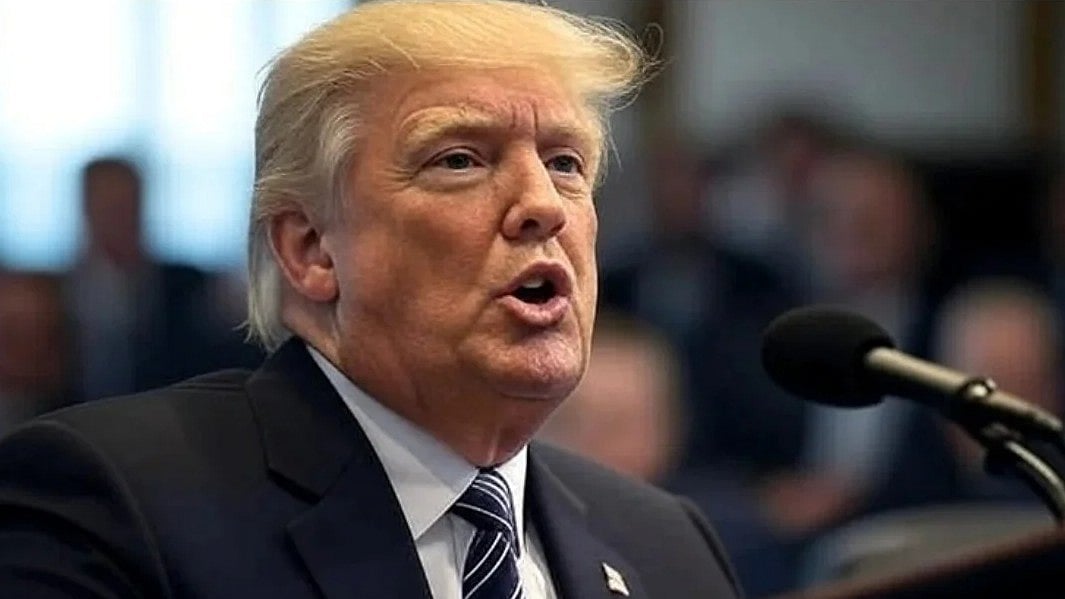
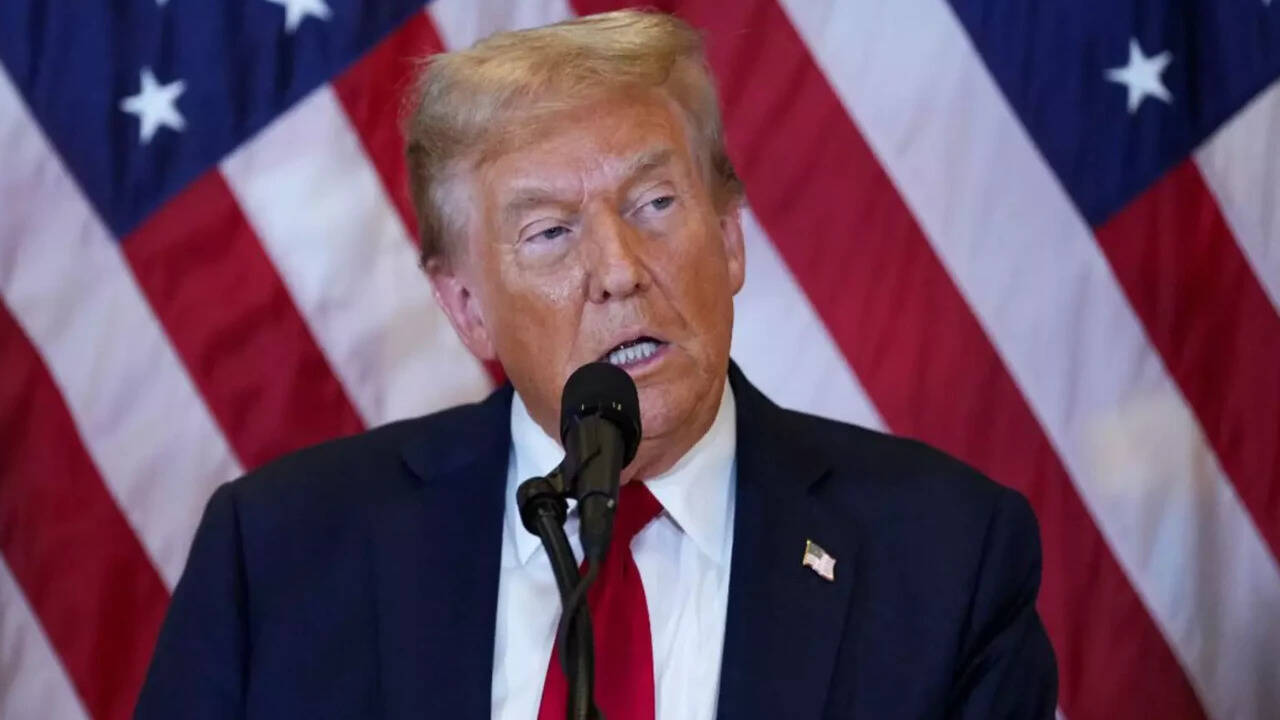
US President Donald Trump has threatened to increase tariffs on Canadian cars, trucks, and automotive parts to 50% from January 1, 2027. This move is part of an escalating trade dispute between the two neighboring countries.
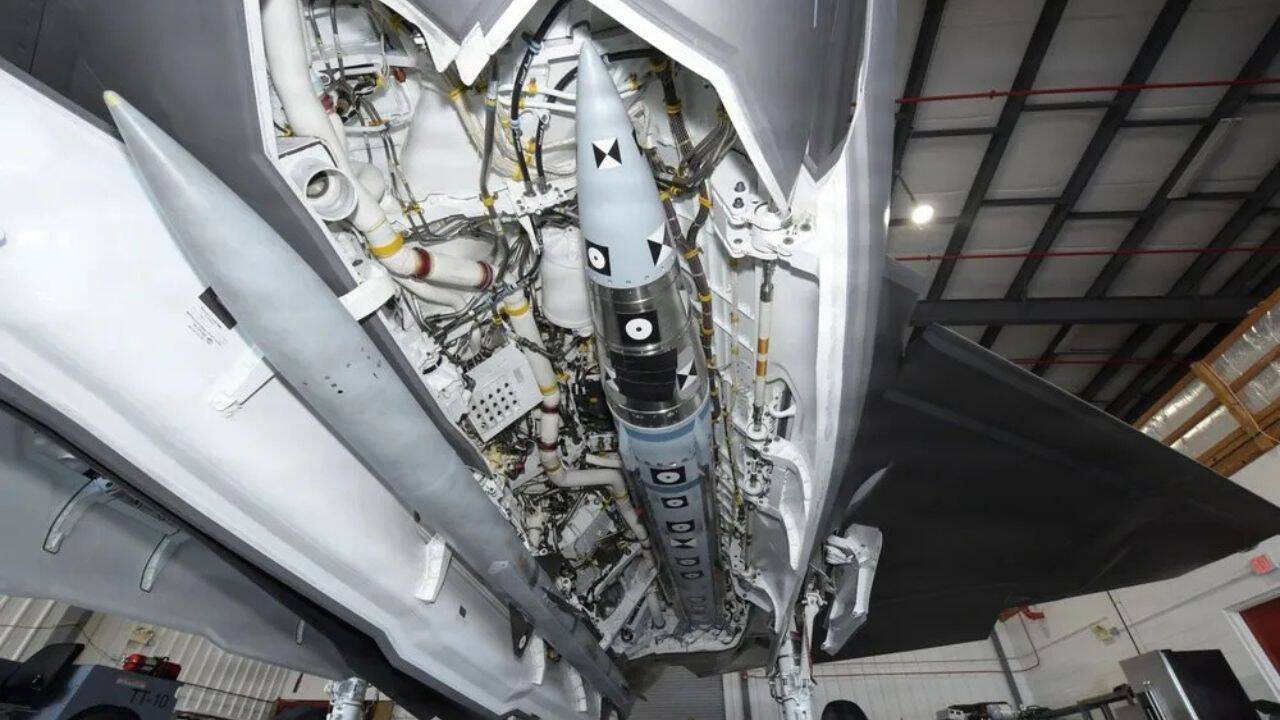
The current US tariff on non-US content of Canadian automobiles is 25%, while steel imported into the US generally attracts a 50% duty. Trump's announcement followed the failure of Washington and Ottawa to reach an agreement on Friday to prevent new 50% US tariffs on selected Canadian products.
Canadian Prime Minister Mark Carney subsequently announced retaliatory tariffs against the US after rejecting what he called a 'bad deal.' Canada's measures, scheduled to take effect on September 8, will target US steel and dairy industries, as well as agricultural equipment, pulp and paper, and electronics.
The White House accused Canada of 'discriminatory treatment' of US alcohol, automobile, and dairy products while imposing the 50% tariffs. Trump had delayed the implementation of the tariffs by three days as negotiations intensified.
Canadian negotiator Dominic LeBlanc and his team held lengthy discussions at US Trade Representative Jamieson Greer's office in Washington on Thursday and Friday, but the two sides failed to reach an agreement. The latest duties affect about 5.5% of Canadian goods entering the US, worth around $20 billion, and cover products ranging from hockey sticks to cement.
Trump alleged that 'Canada has been ripping off the United States of America for years' and added that 'we don't need Canada, they need us.' Greer told the New York Times on Saturday that the Trump administration had offered to eliminate a 10% tariff on softwood lumber and reduce the 25% automobile tariff.
Washington was also prepared to cut tariffs on most Canadian steel from 50% to 25%, according to Greer. Trump's decision to increase tariffs on Canadian autos and parts is likely to have significant implications for the US-Canada trade relationship.
The US and Canada must also negotiate revisions to the US-Mexico-Canada free trade agreement (USMCA), which Trump has declined to renew in its current form. Relations between the neighbors have also been strained by Trump's repeated threats to make Canada the 51st US state, which have antagonized many Canadians.
The escalating trade dispute between the US and Canada is likely to have far-reaching consequences for both countries. As the situation continues to unfold, it remains to be seen how the two nations will navigate their trade relationship in the coming months.
In conclusion, the trade war between the US and Canada is intensifying, with both countries imposing tariffs on each other's goods. The situation is complex and multifaceted, with significant implications for the economies of both nations.
Frequently asked questions
What is the current US tariff on Canadian automobiles?
The current US tariff on non-US content of Canadian automobiles is 25%.
When will Canada's retaliatory tariffs take effect?
Canada's measures are scheduled to take effect on September 8.