Assam Seeks to Shrink Kaziranga Eco-Sensitive Zone
Assam wants to reduce Kaziranga's eco-sensitive zone. Find out why.
'%3E%3Crect%20width%3D'96'%20height%3D'96'%20fill%3D'%23B3261E'%2F%3E%3Ccircle%20cx%3D'30'%20cy%3D'24'%20r%3D'44'%20fill%3D'%23fff'%20opacity%3D'.12'%2F%3E%3Ccircle%20cx%3D'60'%20cy%3D'74'%20r%3D'40'%20fill%3D'%23000'%20opacity%3D'.10'%2F%3E%3C%2Fg%3E%3Cg%20fill%3D'%23fff'%3E%3Crect%20x%3D'29'%20y%3D'49'%20width%3D'8'%20height%3D'19'%20rx%3D'1'%2F%3E%3Crect%20x%3D'39'%20y%3D'40'%20width%3D'9'%20height%3D'28'%20rx%3D'1'%2F%3E%3Crect%20x%3D'50'%20y%3D'45'%20width%3D'8'%20height%3D'23'%20rx%3D'1'%2F%3E%3Crect%20x%3D'60'%20y%3D'53'%20width%3D'7'%20height%3D'15'%20rx%3D'1'%2F%3E%3Crect%20x%3D'41'%20y%3D'34'%20width%3D'5'%20height%3D'6'%2F%3E%3C%2Fg%3E%3C%2Fsvg%3E)
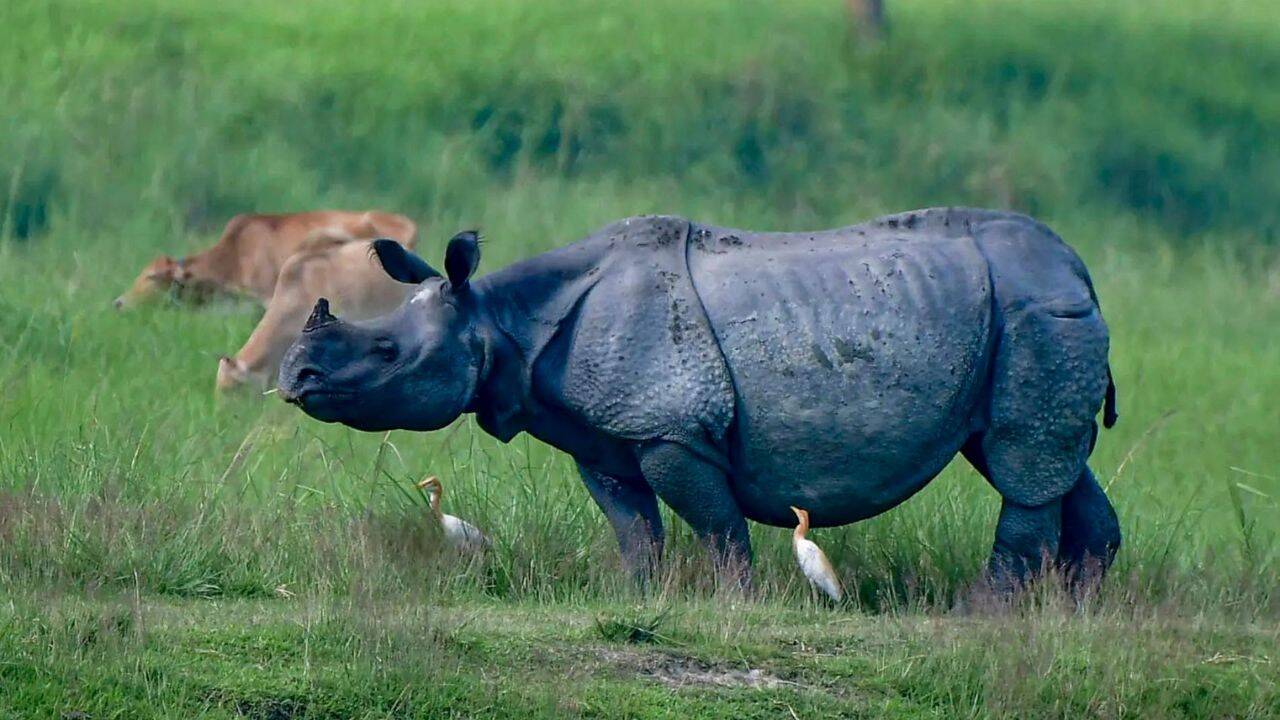
The Assam government has proposed to shrink the eco-sensitive zone of the Kaziranga National Park. The park, a UNESCO World Heritage Site, is home to the endangered one-horned rhinoceros and other wildlife.
The eco-sensitive zone is a buffer area around the park that is protected to preserve the natural habitat and ecosystem of the park. However, the Assam government has argued that the current zone is too large and is affecting the development of the surrounding areas.
The government has proposed to reduce the zone from 15 kilometers to 1-2 kilometers around the park. This move has been met with opposition from environmentalists and conservationists, who argue that it will harm the park's ecosystem and put the wildlife at risk.
Kaziranga National Park is one of the most famous national parks in India and is known for its conservation efforts. The park is home to over 2,400 one-horned rhinoceros, as well as other wildlife such as tigers, elephants, and deer.
The Assam government's proposal to shrink the eco-sensitive zone has sparked a debate about the balance between development and conservation. While the government argues that the reduction of the zone will allow for more development and economic growth, environmentalists argue that it will come at the cost of the park's ecosystem and the wildlife that inhabits it.
The proposal is currently under review by the National Board for Wildlife, which will make a decision on whether to approve or reject it. The decision is expected to have significant implications for the conservation of Kaziranga National Park and its wildlife.
The Kaziranga National Park is not just a national park, but also an important part of Assam's culture and heritage. The park has been a symbol of the state's commitment to conservation and has played a significant role in promoting tourism and economic growth in the region.
In recent years, the park has faced several challenges, including poaching and habitat loss. The reduction of the eco-sensitive zone could exacerbate these problems and put the park's ecosystem at risk.
The decision to shrink the eco-sensitive zone will have to be made carefully, taking into account the potential impacts on the park's ecosystem and the wildlife that inhabits it. It is essential to find a balance between development and conservation, and to ensure that the park's natural habitat is protected for future generations.
The proposal to shrink the eco-sensitive zone of Kaziranga National Park has significant implications for the conservation of wildlife and the ecosystem of the park. It is crucial to consider the potential impacts of this decision and to ensure that the park's natural habitat is protected.
In conclusion, the Assam government's proposal to shrink the eco-sensitive zone of Kaziranga National Park has sparked a debate about the balance between development and conservation. While the government argues that the reduction of the zone will allow for more development and economic growth, environmentalists argue that it will come at the cost of the park's ecosystem and the wildlife that inhabits it. The decision is expected to have significant implications for the conservation of the park and its wildlife.
The conservation of Kaziranga National Park is essential for maintaining the balance of the ecosystem and preserving the natural habitat of the wildlife that inhabits it. The park's ecosystem is fragile and requires careful protection to ensure its survival.
The Assam government's proposal to shrink the eco-sensitive zone of Kaziranga National Park is a significant issue that requires careful consideration. The decision will have to be made carefully, taking into account the potential impacts on the park's ecosystem and the wildlife that inhabits it.
The Kaziranga National Park is a valuable resource that requires protection and conservation. The park's ecosystem is unique and requires careful management to ensure its survival. The proposal to shrink the eco-sensitive zone has significant implications for the conservation of the park and its wildlife.
The conservation of Kaziranga National Park is not just a local issue, but also a national and international issue. The park is a UNESCO World Heritage Site and is recognized for its conservation efforts. The proposal to shrink the eco-sensitive zone has sparked a debate about the balance between development and conservation, and the decision will have to be made carefully, taking into account the potential impacts on the park's ecosystem and the wildlife that inhabits it.
The final decision on the proposal to shrink the eco-sensitive zone of Kaziranga National Park will be made by the National Board for Wildlife. The board will consider the potential impacts of the decision and will make a decision based on the best interests of the park and its wildlife.
In the end, the conservation of Kaziranga National Park is essential for maintaining the balance of the ecosystem and preserving the natural habitat of the wildlife that inhabits it. The park's ecosystem is fragile and requires careful protection to ensure its survival. The proposal to shrink the eco-sensitive zone has significant implications for the conservation of the park and its wildlife, and the decision will have to be made carefully, taking into account the potential impacts on the park's ecosystem and the wildlife that inhabits it.
What it means for India is that the decision to shrink the eco-sensitive zone of Kaziranga National Park will have significant implications for the conservation of wildlife and the ecosystem of the park. The decision will have to be made carefully, taking into account the potential impacts on the park's ecosystem and the wildlife that inhabits it. It is essential to find a balance between development and conservation, and to ensure that the park's natural habitat is protected for future generations.
Frequently asked questions
Why does Assam want to shrink the Kaziranga eco-sensitive zone?
Assam wants to reduce the zone to allow for more development and economic growth in the surrounding areas.
What are the potential impacts of shrinking the eco-sensitive zone?
The reduction of the zone could harm the park's ecosystem and put the wildlife at risk.