
India Builds Strategic Oil Reserves
India boosts oil security, ONGC approves storage plan

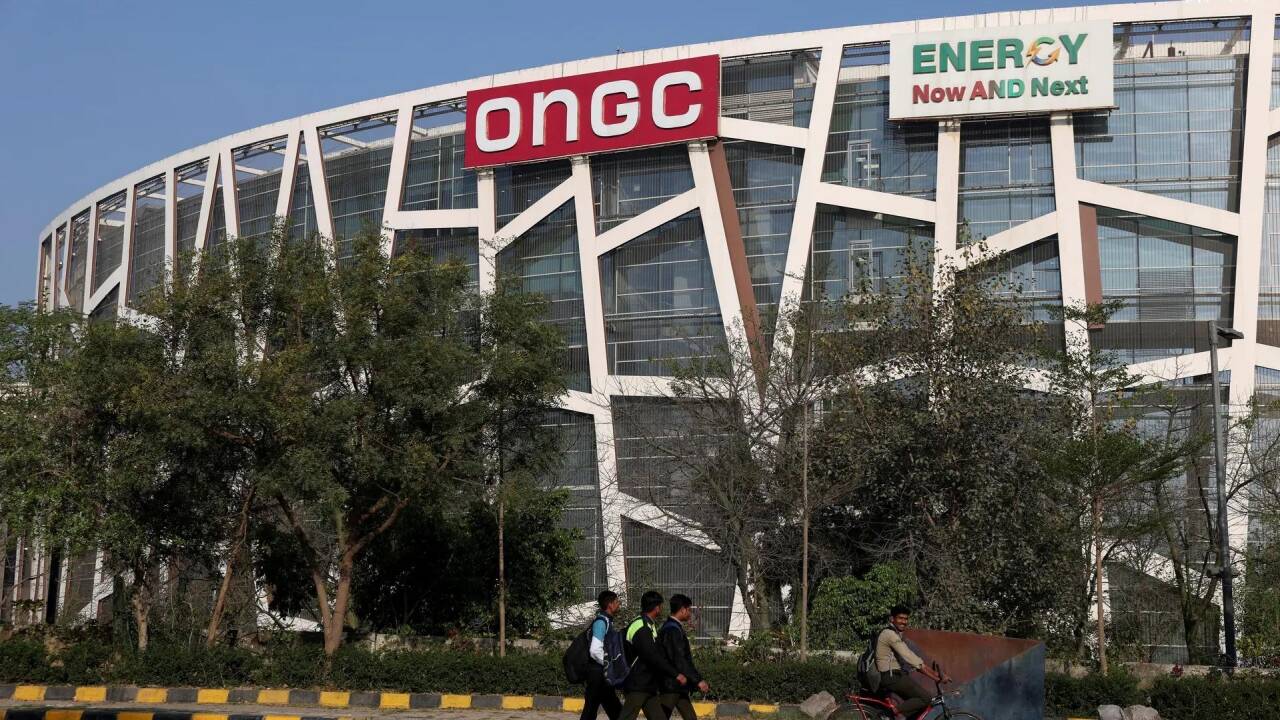
India, the world's third-largest importer and consumer of crude oil, has taken a significant step towards enhancing its energy security. The Oil and Natural Gas Corporation (ONGC) has approved a plan to build strategic oil reserves with a storage capacity of 1.75 million tonnes.
This move comes at a time when the country is heavily reliant on imports to meet its crude oil requirements, with over 88% of its needs being fulfilled through foreign sources. The decision is aimed at mitigating the risks associated with geopolitical uncertainty and fluctuations in global oil markets.
The construction of strategic oil reserves is a crucial step in ensuring the country's energy stability. By storing large quantities of crude oil, India can shield itself from price volatility and supply disruptions, which can have a significant impact on the economy.
India's dependence on imported crude oil makes it vulnerable to global market trends. The country's oil imports account for a substantial portion of its total imports, making it essential to have a strategic reserve in place. This reserve will provide a cushion against potential supply disruptions and price shocks.
The ONGC's approval for the 1.75-million-tonne storage capacity is a significant development in this regard. The project is expected to enhance India's energy security and reduce its reliance on foreign oil sources. The strategic oil reserves will be built in phases, with the first phase expected to be completed soon.
The Indian government has been actively pursuing measures to enhance the country's energy security. The construction of strategic oil reserves is a key component of this strategy. By building a robust oil storage infrastructure, India can ensure a stable supply of crude oil, even in the face of global market uncertainties.
The move is also expected to have a positive impact on the country's economy. By reducing its reliance on imported crude oil, India can decrease its oil import bill, which will have a favorable impact on its trade deficit. Additionally, the strategic oil reserves will provide a buffer against price volatility, which can help to stabilize the economy.
In the context of the current global oil market scenario, the construction of strategic oil reserves is a timely and prudent decision. The ongoing geopolitical tensions and supply disruptions have resulted in significant price volatility, making it essential for countries like India to have a robust energy security strategy in place.
In conclusion, the approval of the 1.75-million-tonne storage capacity by ONGC is a significant step towards enhancing India's energy security. The construction of strategic oil reserves will provide a cushion against potential supply disruptions and price shocks, reducing the country's reliance on imported crude oil and enhancing its economic stability.