SIR Exercise Raises Concerns Over Citizenship And Voting Rights
Electoral roll revision sparks debate on citizenship, voter deletion and disenfranchisement.
'%3E%3Crect%20width%3D'96'%20height%3D'96'%20fill%3D'%231A5276'%2F%3E%3Ccircle%20cx%3D'30'%20cy%3D'24'%20r%3D'44'%20fill%3D'%23fff'%20opacity%3D'.12'%2F%3E%3Ccircle%20cx%3D'60'%20cy%3D'74'%20r%3D'40'%20fill%3D'%23000'%20opacity%3D'.10'%2F%3E%3C%2Fg%3E%3Cg%20fill%3D'%23fff'%3E%3Cpath%20d%3D'M31%2041%20L48%2031%20L65%2041%20Z'%2F%3E%3Crect%20x%3D'33'%20y%3D'43'%20width%3D'4'%20height%3D'17'%2F%3E%3Crect%20x%3D'41'%20y%3D'43'%20width%3D'4'%20height%3D'17'%2F%3E%3Crect%20x%3D'51'%20y%3D'43'%20width%3D'4'%20height%3D'17'%2F%3E%3Crect%20x%3D'59'%20y%3D'43'%20width%3D'4'%20height%3D'17'%2F%3E%3Crect%20x%3D'30'%20y%3D'62'%20width%3D'36'%20height%3D'4'%20rx%3D'1'%2F%3E%3C%2Fg%3E%3C%2Fsvg%3E)
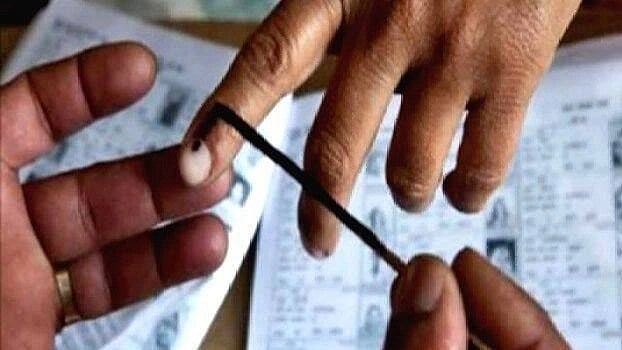
The special intensive revision (SIR) of electoral rolls, which began in Bihar a year ago, has raised multiple concerns over documentation, voter deletion, and disenfranchisement. The exercise, aimed at removing duplicate and deceased voters, has sparked a debate on the legal meaning of citizenship and its implications on voting rights.
The Supreme Court has clarified that determining citizenship is beyond the Election Commission's (EC) purview, and the SIR exercise is mainly focused on removing ineligible voters. However, the question remains: what makes someone an Indian citizen? The citizenship rules under the Constitution and the Indian Citizenship Act, 1955, outline four primary pathways to citizenship: birth on territory, birth to a citizen (descent), naturalisation, and registration.
In addition to these pathways, the Citizenship (Amendment) Act (CAA) of 2019 creates a specific pathway to naturalisation/registration for religious minorities from Afghanistan, Pakistan, and Bangladesh. Most people acquire citizenship by birth, which is logical given that most people do not naturalise or register as citizens. However, India's citizenship rules have undergone changes over the years, with the amendment of birthright citizenship in 1986 and further changes in 2003.
The gradual withdrawal of absolute citizenship by birthright means that reliance on documentary evidence has increased over time. However, given India's historically patchy documentation, many citizens lack birth certificates, school-leaving certificates, or other documents to prove their citizenship. This scarcity of documents can impact the voting rights of millions of people, particularly if presumptive citizenship is questioned and the burden of proof is on citizens.
In Bihar, 47 lakh voters were struck off the electoral rolls, while in West Bengal, 91 lakh voters were removed, with 27 lakh unable to vote in the recent assembly election due to their voting rights being under adjudication. The mass notice issuances and deletions in these states have led to deep anxieties that the SIR exercise mimics the National Register of Citizens (NRC), shifting the fundamental legal burden from a presumption of civic inclusion to a constant requirement to prove legitimacy through documents.
The strict documentation metrics required for the SIR exercise will necessitate the resolution of anomalies and logical discrepancies by the appropriate authorities. As the layers of filters and complications have been added to the citizenship verification process, it is essential to ensure that the voting rights of legitimate citizens are protected.
The SIR exercise has significant implications for the country, particularly in the context of the ongoing debate on citizenship and voting rights. The need for a clear and transparent process for verifying citizenship and ensuring the voting rights of all eligible citizens is paramount. The government and the Election Commission must work together to address the concerns raised by the SIR exercise and ensure that the democratic process is protected.
In conclusion, the SIR exercise has raised important questions about citizenship, voting rights, and the documentation required to prove legitimacy. As the country moves forward, it is essential to strike a balance between ensuring the integrity of the electoral process and protecting the rights of all eligible citizens.
The implications of the SIR exercise are far-reaching, and it is crucial to consider the potential consequences of the changes made to the citizenship verification process. The government and the Election Commission must be mindful of the need to protect the voting rights of all eligible citizens and ensure that the democratic process is fair and transparent.
Ultimately, the SIR exercise highlights the need for a comprehensive review of the citizenship verification process and the documentation required to prove legitimacy. The government and the Election Commission must work together to address the concerns raised by the SIR exercise and ensure that the democratic process is protected and the voting rights of all eligible citizens are safeguarded.
The SIR exercise is a complex issue that requires careful consideration and attention to detail. The government and the Election Commission must be mindful of the potential consequences of the changes made to the citizenship verification process and work together to ensure that the democratic process is fair and transparent.
In the end, the SIR exercise is a reminder of the importance of protecting the voting rights of all eligible citizens and ensuring that the democratic process is fair and transparent. The government and the Election Commission must work together to address the concerns raised by the SIR exercise and ensure that the democratic process is protected and the voting rights of all eligible citizens are safeguarded.
The significance of the SIR exercise cannot be overstated, and it is essential to consider the potential consequences of the changes made to the citizenship verification process. The government and the Election Commission must be mindful of the need to protect the voting rights of all eligible citizens and ensure that the democratic process is fair and transparent.
The SIR exercise has raised important questions about citizenship, voting rights, and the documentation required to prove legitimacy. As the country moves forward, it is essential to strike a balance between ensuring the integrity of the electoral process and protecting the rights of all eligible citizens.
The SIR exercise is a complex issue that requires careful consideration and attention to detail. The government and the Election Commission must work together to address the concerns raised by the SIR exercise and ensure that the democratic process is protected and the voting rights of all eligible citizens are safeguarded.
The implications of the SIR exercise are far-reaching, and it is crucial to consider the potential consequences of the changes made to the citizenship verification process. The government and the Election Commission must be mindful of the need to protect the voting rights of all eligible citizens and ensure that the democratic process is fair and transparent.
In conclusion, the SIR exercise has significant implications for the country, particularly in the context of the ongoing debate on citizenship and voting rights. The need for a clear and transparent process for verifying citizenship and ensuring the voting rights of all eligible citizens is paramount. The government and the Election Commission must work together to address the concerns raised by the SIR exercise and ensure that the democratic process is protected.
The SIR exercise highlights the need for a comprehensive review of the citizenship verification process and the documentation required to prove legitimacy. The government and the Election Commission must work together to address the concerns raised by the SIR exercise and ensure that the democratic process is protected and the voting rights of all eligible citizens are safeguarded.
The significance of the SIR exercise cannot be overstated, and it is essential to consider the potential consequences of the changes made to the citizenship verification process. The government and the Election Commission must be mindful of the need to protect the voting rights of all eligible citizens and ensure that the democratic process is fair and transparent.
The SIR exercise is a reminder of the importance of protecting the voting rights of all eligible citizens and ensuring that the democratic process is fair and transparent. The government and the Election Commission must work together to address the concerns raised by the SIR exercise and ensure that the democratic process is protected and the voting rights of all eligible citizens are safeguarded.
What it means for Mumbai or India is that the SIR exercise has significant implications for the country, particularly in the context of the ongoing debate on citizenship and voting rights. The need for a clear and transparent process for verifying citizenship and ensuring the voting rights of all eligible citizens is paramount. The government and the Election Commission must work together to address the concerns raised by the SIR exercise and ensure that the democratic process is protected.
Frequently asked questions
What is the SIR exercise and what are its implications?
The SIR exercise is a special intensive revision of electoral rolls aimed at removing duplicate and deceased voters, but it has raised concerns over citizenship and voting rights.
How many voters were struck off the electoral rolls in Bihar and West Bengal?
47 lakh voters were struck off the electoral rolls in Bihar, while 91 lakh voters were removed in West Bengal.