Houthis Threaten Saudi Oil Exports to India
Iran-backed group may block Saudi oil exports, affecting India's crude supply.
'%3E%3Crect%20width%3D'96'%20height%3D'96'%20fill%3D'%234A235A'%2F%3E%3Ccircle%20cx%3D'30'%20cy%3D'24'%20r%3D'44'%20fill%3D'%23fff'%20opacity%3D'.12'%2F%3E%3Ccircle%20cx%3D'60'%20cy%3D'74'%20r%3D'40'%20fill%3D'%23000'%20opacity%3D'.10'%2F%3E%3C%2Fg%3E%3Cg%20fill%3D'none'%20stroke%3D'%23fff'%20stroke-width%3D'3'%3E%3Ccircle%20cx%3D'48'%20cy%3D'48'%20r%3D'16'%2F%3E%3Cellipse%20cx%3D'48'%20cy%3D'48'%20rx%3D'6.5'%20ry%3D'16'%2F%3E%3Cline%20x1%3D'32'%20y1%3D'42'%20x2%3D'64'%20y2%3D'42'%2F%3E%3Cline%20x1%3D'32'%20y1%3D'54'%20x2%3D'64'%20y2%3D'54'%2F%3E%3C%2Fg%3E%3C%2Fsvg%3E)
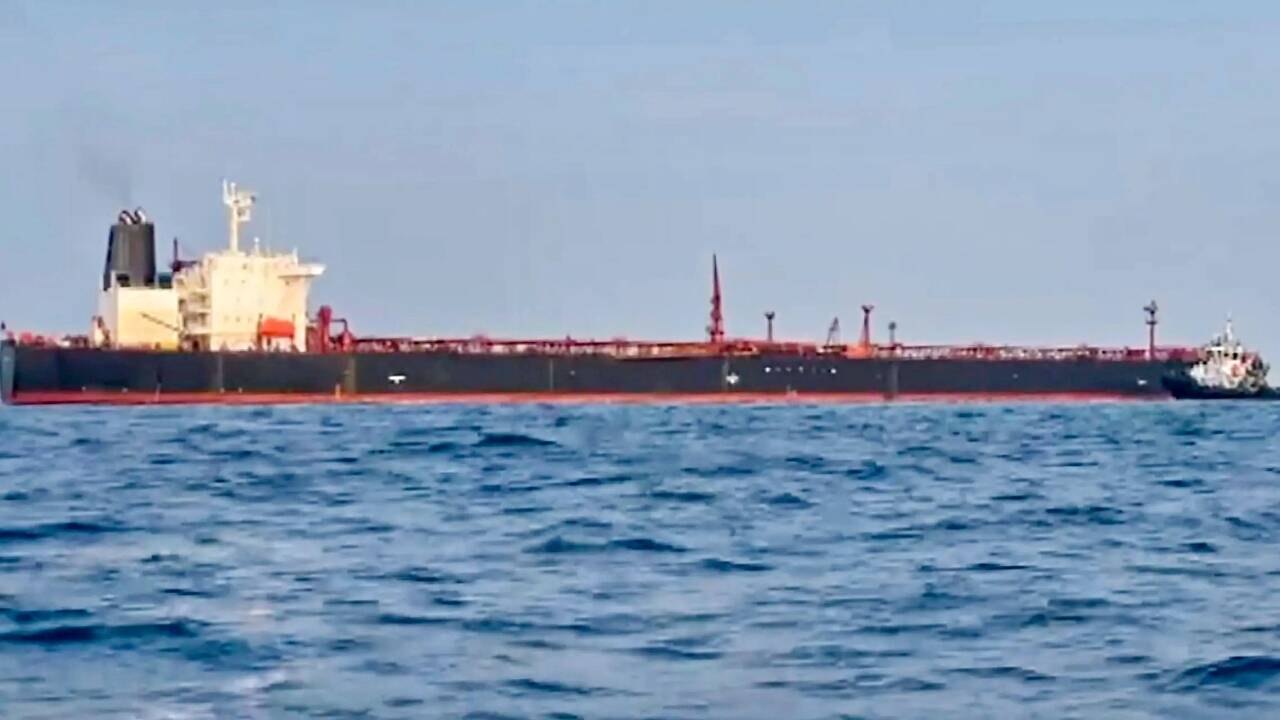
A potential oil shock is looming for India as the Iran-backed Yemeni group, the Houthis, have threatened to impose a maritime blockade on Saudi Arabia. This move could significantly impact Saudi Arabia's crude oil exports, which in turn would affect India's oil supply. India relies heavily on the Middle East country for its crude imports, making it vulnerable to any disruptions in the region.
The Houthis' threat is a cause for concern for India, which has been working to diversify its oil imports in recent years. However, Saudi Arabia remains one of India's largest oil suppliers, and any disruption to these supplies could have far-reaching consequences for the country's economy.
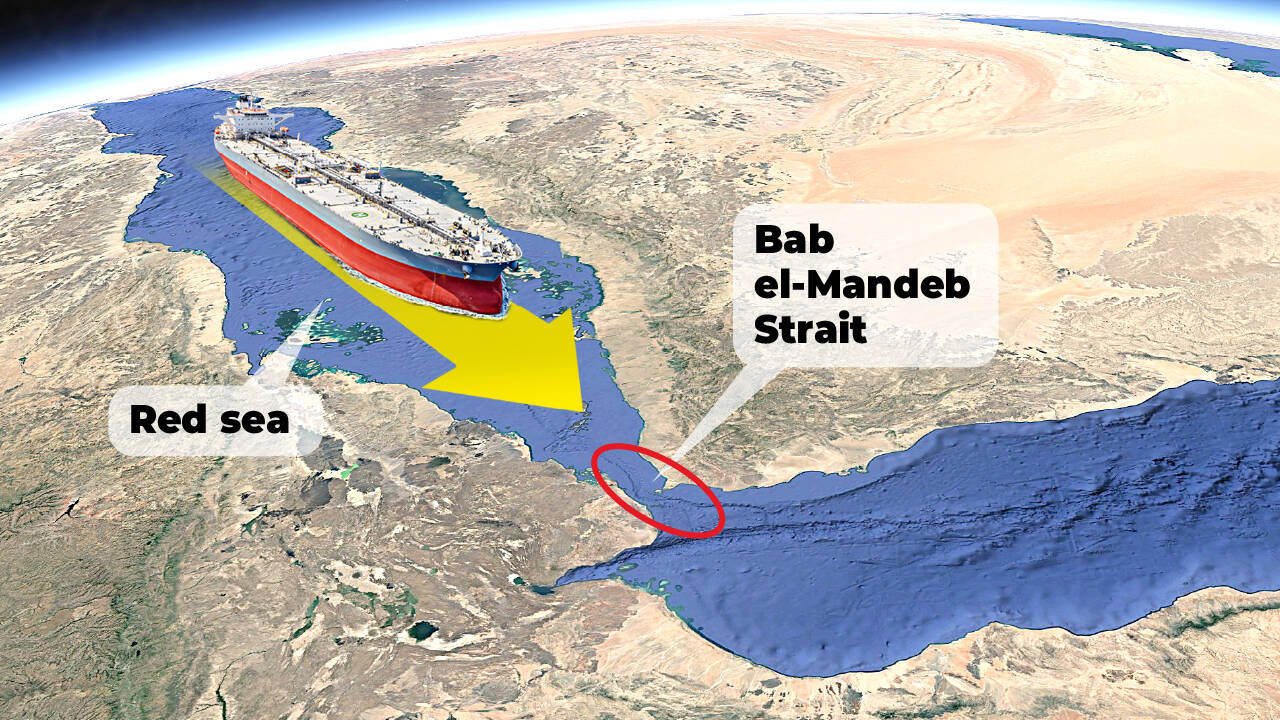
The Red Sea, which is a critical shipping route for oil exports from Saudi Arabia, is the focal point of the Houthis' threat. The group has been involved in a long-standing conflict with the Saudi-led coalition in Yemen, and the maritime blockade is seen as a way to exert pressure on the coalition.
India's oil imports from Saudi Arabia have been steadily increasing over the years, making the country increasingly dependent on the Middle East nation for its energy needs. The Indian government has been trying to reduce its dependence on imported oil by promoting the use of alternative energy sources and increasing domestic oil production.
However, the threat of a maritime blockade by the Houthis has raised concerns about the stability of India's oil supplies. The country's oil refineries and petrochemical plants are heavily reliant on imported crude, and any disruption to these supplies could lead to shortages and price increases.
The Indian government is closely monitoring the situation in the Red Sea and is in touch with its Saudi counterparts to assess the potential impact of the Houthis' threat. The government is also exploring alternative sources of oil to reduce its dependence on Saudi Arabia and mitigate the effects of any potential disruption.
In recent years, India has been working to diversify its oil imports by increasing its purchases from other countries, such as the United States and Russia. However, Saudi Arabia remains one of India's largest oil suppliers, and the country's energy needs are still heavily reliant on imported crude.
The potential oil shock from the Houthis' threat is a reminder of the importance of energy security for India. The country needs to continue to work towards reducing its dependence on imported oil and promoting the use of alternative energy sources to mitigate the risks associated with geopolitical tensions in the Middle East.
The situation in the Red Sea is being closely watched by the Indian government, and any developments will be carefully monitored to assess their potential impact on the country's oil supplies. For now, India remains vulnerable to any disruptions in the region, and the government will need to take proactive steps to ensure the stability of the country's energy needs.
In conclusion, the threat of a maritime blockade by the Houthis has raised concerns about the stability of India's oil supplies. The country's dependence on imported crude from Saudi Arabia makes it vulnerable to any disruptions in the region. The Indian government needs to continue to work towards reducing its dependence on imported oil and promoting the use of alternative energy sources to mitigate the risks associated with geopolitical tensions in the Middle East.
Frequently asked questions
Who is behind the threat to Saudi oil exports?
The Iran-backed Yemeni group, the Houthis, are behind the threat to impose a maritime blockade on Saudi Arabia.
How will the threat affect India's oil supply?
The threat could significantly impact Saudi Arabia's crude oil exports, which in turn would affect India's oil supply, as India relies heavily on the Middle East country for its crude imports.