Amit Shah: 21 States to Introduce UCC by 2029
BJP-led states to adopt Uniform Civil Code. Amit Shah announces plan.
'%3E%3Crect%20width%3D'96'%20height%3D'96'%20fill%3D'%231A5276'%2F%3E%3Ccircle%20cx%3D'30'%20cy%3D'24'%20r%3D'44'%20fill%3D'%23fff'%20opacity%3D'.12'%2F%3E%3Ccircle%20cx%3D'60'%20cy%3D'74'%20r%3D'40'%20fill%3D'%23000'%20opacity%3D'.10'%2F%3E%3C%2Fg%3E%3Cg%20fill%3D'%23fff'%3E%3Cpath%20d%3D'M31%2041%20L48%2031%20L65%2041%20Z'%2F%3E%3Crect%20x%3D'33'%20y%3D'43'%20width%3D'4'%20height%3D'17'%2F%3E%3Crect%20x%3D'41'%20y%3D'43'%20width%3D'4'%20height%3D'17'%2F%3E%3Crect%20x%3D'51'%20y%3D'43'%20width%3D'4'%20height%3D'17'%2F%3E%3Crect%20x%3D'59'%20y%3D'43'%20width%3D'4'%20height%3D'17'%2F%3E%3Crect%20x%3D'30'%20y%3D'62'%20width%3D'36'%20height%3D'4'%20rx%3D'1'%2F%3E%3C%2Fg%3E%3C%2Fsvg%3E)
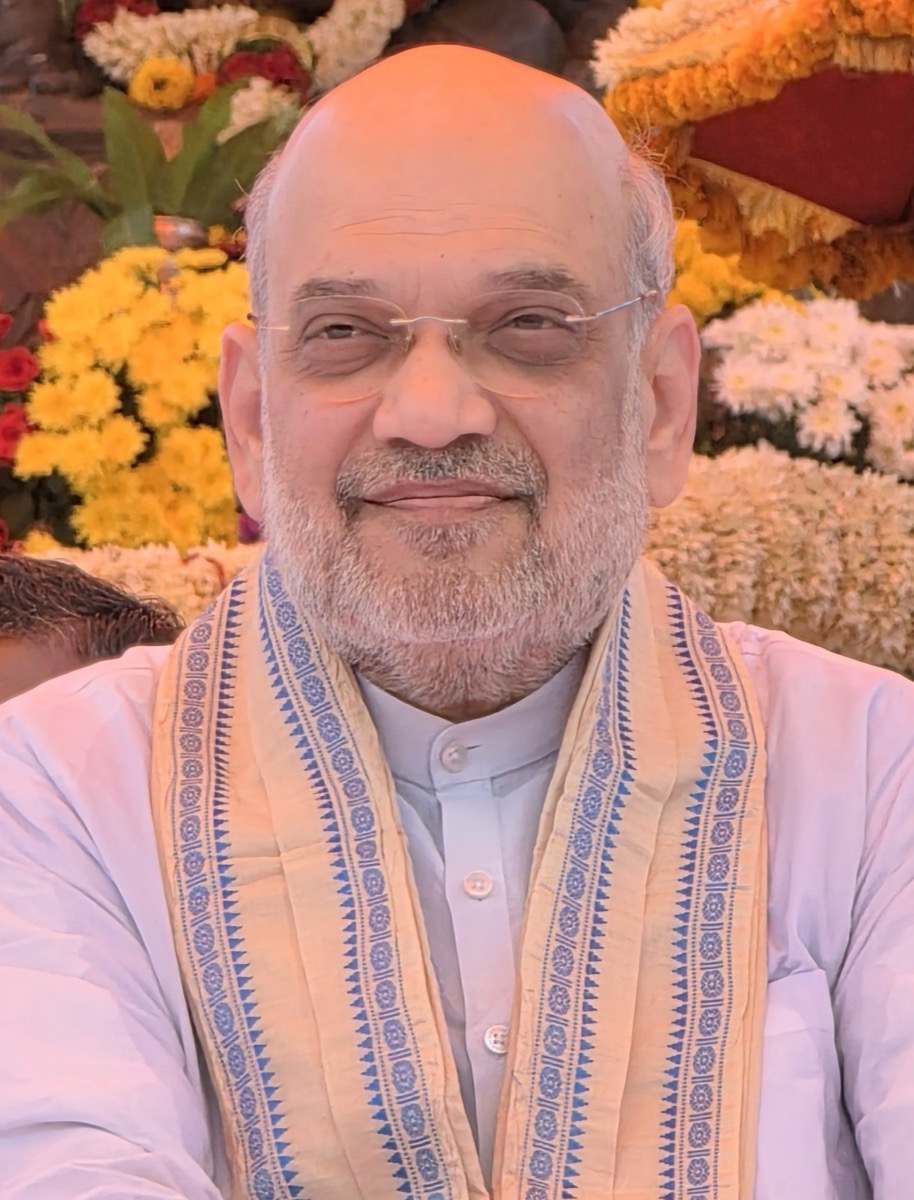
Amit Shah, a key leader of the Bharatiya Janata Party (BJP), has announced that the party's governments in 21 states will introduce the Uniform Civil Code (UCC) before 2029. This move is seen as a significant step towards implementing a long-standing promise of the BJP.
The UCC aims to replace the existing personal laws of various communities with a uniform set of laws that will apply to all citizens, regardless of their religion or community. The BJP has been a strong advocate of the UCC, citing the need for a uniform legal framework to promote national integration and social cohesion.
According to Amit Shah, the introduction of the UCC in 21 states will be a major milestone in the country's journey towards a more unified and harmonious society. He emphasized that the UCC will help to eliminate the existing disparities and inequalities in the personal laws of different communities, and will promote a sense of equality and justice among all citizens.
The introduction of the UCC has been a contentious issue in India, with some communities and opposition parties expressing concerns about the potential impact on their personal laws and cultural traditions. However, the BJP has maintained that the UCC is essential for promoting national integration and social cohesion, and has pledged to implement it in a phased manner.
The announcement by Amit Shah has sparked a debate about the feasibility and implications of introducing the UCC in 21 states. While some have welcomed the move as a step towards a more unified and harmonious society, others have expressed concerns about the potential challenges and complexities involved in implementing such a significant reform.
In the context of Indian politics, the introduction of the UCC is seen as a key aspect of the BJP's agenda for promoting national integration and social cohesion. The party has been a strong advocate of the UCC, and has included it in its election manifestos and policy documents.
The implementation of the UCC will require significant legislative and administrative efforts, including the enactment of new laws and the establishment of new institutions and mechanisms for implementing and enforcing the code. It will also require extensive consultations and dialogue with various communities and stakeholders to ensure that the UCC is implemented in a manner that is fair, just, and respectful of the diversity of Indian society.
In conclusion, the announcement by Amit Shah that 21 BJP-led states will introduce the UCC before 2029 is a significant development in Indian politics. While the introduction of the UCC is a complex and challenging task, it has the potential to promote national integration and social cohesion, and to eliminate the existing disparities and inequalities in the personal laws of different communities.
Frequently asked questions
What is the Uniform Civil Code (UCC)?
The UCC is a set of laws that aims to replace the existing personal laws of various communities with a uniform set of laws that will apply to all citizens.
Why is the BJP introducing the UCC in 21 states?
The BJP is introducing the UCC to promote national integration and social cohesion, and to eliminate the existing disparities and inequalities in the personal laws of different communities.