Idaho Uses 300 Tons of Crushed Glass Under Highway 75
Idaho repurposes waste glass as road foundation material. Crushed glass proves effective solution.
'%3E%3Crect%20width%3D'96'%20height%3D'96'%20fill%3D'%23B3261E'%2F%3E%3Ccircle%20cx%3D'30'%20cy%3D'24'%20r%3D'44'%20fill%3D'%23fff'%20opacity%3D'.12'%2F%3E%3Ccircle%20cx%3D'60'%20cy%3D'74'%20r%3D'40'%20fill%3D'%23000'%20opacity%3D'.10'%2F%3E%3C%2Fg%3E%3Cg%20fill%3D'%23fff'%3E%3Crect%20x%3D'29'%20y%3D'49'%20width%3D'8'%20height%3D'19'%20rx%3D'1'%2F%3E%3Crect%20x%3D'39'%20y%3D'40'%20width%3D'9'%20height%3D'28'%20rx%3D'1'%2F%3E%3Crect%20x%3D'50'%20y%3D'45'%20width%3D'8'%20height%3D'23'%20rx%3D'1'%2F%3E%3Crect%20x%3D'60'%20y%3D'53'%20width%3D'7'%20height%3D'15'%20rx%3D'1'%2F%3E%3Crect%20x%3D'41'%20y%3D'34'%20width%3D'5'%20height%3D'6'%2F%3E%3C%2Fg%3E%3C%2Fsvg%3E)
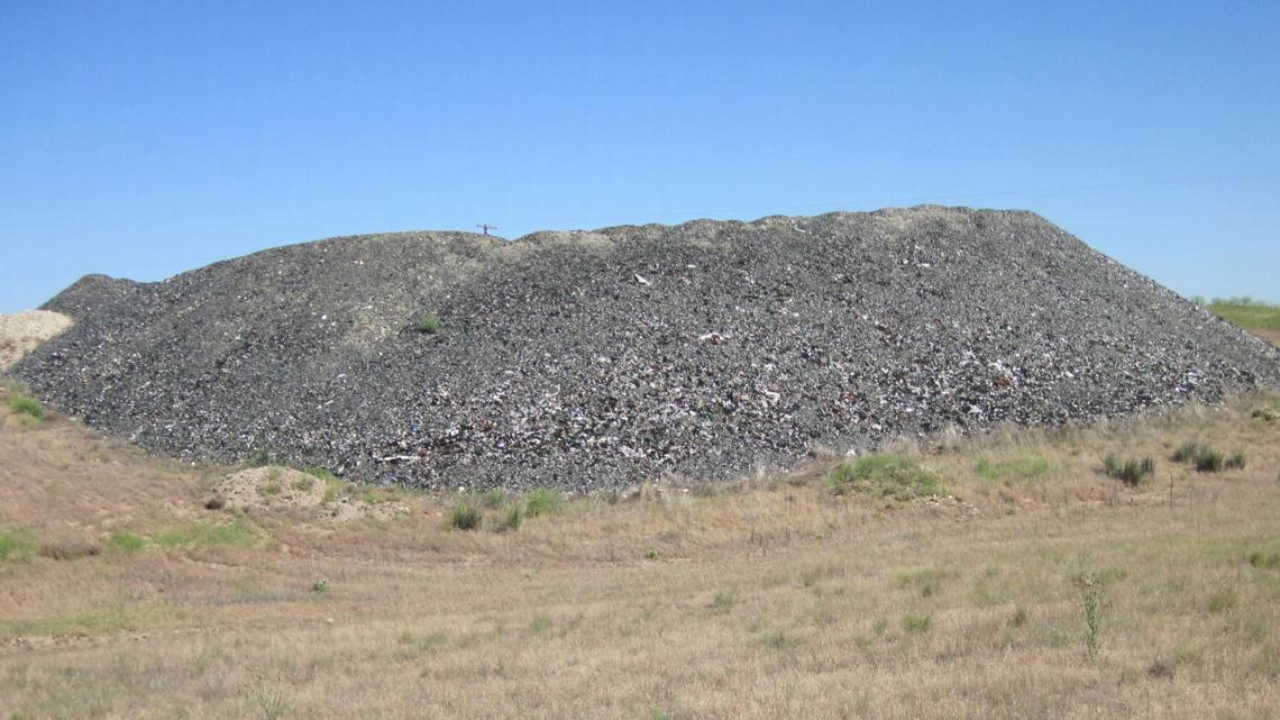
Idaho has implemented an innovative approach to address engineering challenges and local waste management issues by repurposing nearly 300 tons of waste glass as road foundation material under Highway 75.
The crushed glass cullet was strategically laid beneath a section of the highway, showcasing the potential of recycling in constructing sustainable infrastructure. This project represents a significant advancement in civil engineering practices through resource optimization.
The use of crushed glass as a road foundation material has proven to be an effective solution, providing a stable and durable base for the highway. This approach not only helps to reduce waste but also conserves natural resources that would otherwise be used for road construction.
Idaho's initiative is a step towards sustainable infrastructure development, highlighting the importance of recycling and reusing waste materials. The project demonstrates the potential for innovative thinking in addressing environmental challenges and promoting eco-friendly practices in civil engineering.
The application of crushed glass as a road foundation material is a relatively new concept, but it has shown promising results in various studies. The material has been found to be resistant to deformation and erosion, making it an ideal substitute for traditional aggregate materials.
The success of this project in Idaho could pave the way for similar initiatives in other regions, promoting the use of recycled materials in infrastructure development. As the world shifts towards more sustainable and eco-friendly practices, innovative approaches like this one will play a crucial role in reducing waste and conserving natural resources.
The use of crushed glass as a road foundation material also has economic benefits, as it reduces the need for virgin materials and minimizes waste disposal costs. This approach can help to reduce the environmental impact of road construction, making it a more sustainable and viable option for the future.
In conclusion, Idaho's innovative approach to using crushed glass as a road foundation material has proven to be a successful and sustainable solution. The project showcases the potential of recycling and reusing waste materials in constructing sustainable infrastructure, and its success could have far-reaching implications for the civil engineering industry.
This initiative is a significant step towards reducing waste and promoting eco-friendly practices in infrastructure development. As the world continues to urbanize and develop, innovative approaches like this one will be essential in creating sustainable and environmentally friendly infrastructure.
The project's success is a testament to the power of innovative thinking and collaboration in addressing environmental challenges. It highlights the importance of considering the environmental impact of infrastructure development and exploring alternative materials and methods that can reduce waste and promote sustainability.
In the future, we can expect to see more initiatives like this one, as governments and industries increasingly prioritize sustainability and environmental responsibility. The use of crushed glass as a road foundation material is just one example of the many innovative approaches being explored to reduce waste and promote eco-friendly practices in infrastructure development.
Frequently asked questions
What is the amount of crushed glass used in Idaho's highway project?
Nearly 300 tons of crushed glass were used as road foundation material.
What are the benefits of using crushed glass as a road foundation material?
The benefits include reduced waste, conserved natural resources, and economic benefits by reducing the need for virgin materials and minimizing waste disposal costs.