DSGMC Protests Removal Of Film Satluj
Delhi Sikh Gurdwara Management Committee objects to film removal, announces public screenings. Film based on human rights activist Jaswant Singh Khalra's life.

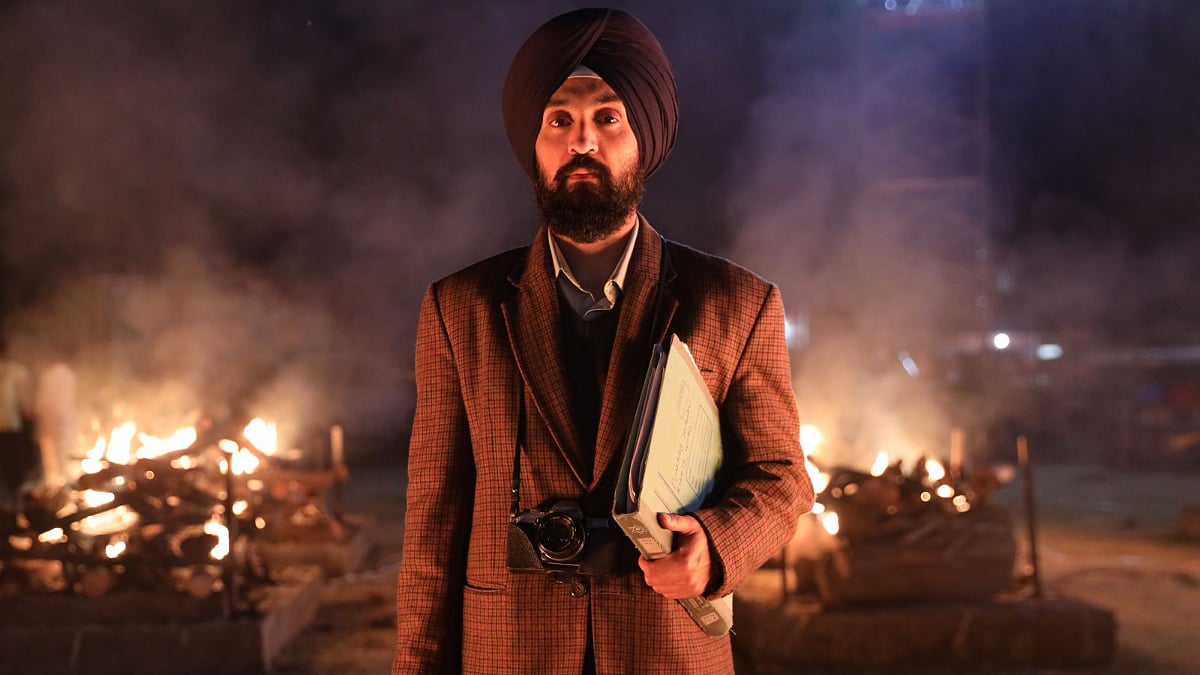
The Delhi Sikh Gurdwara Management Committee (DSGMC) has strongly opposed the removal of the film Satluj from the OTT platform ZEE5. The film, which was released on July 3, is based on the life of human rights activist Jaswant Singh Khalra.
On Tuesday, July 7, DSGMC President Harmeet Singh Kalka expressed his opposition to the removal of the film, stating that it is an attempt to suppress the story of Jaswant Singh Khalra. He told ANI that the film depicts how a social activist uncovered evidence of 25,000 bodies that had been cremated as 'unclaimed' and raised the issue not only within the country but also internationally.
Kalka stated that suppressing this story is deeply wrong and has sparked immense outrage across the Sikh community. He also announced that the DSGMC has instructed gurdwara committee members to download and screen the film in their respective areas to increase public awareness. The committee also plans to hold discussions with the heads of Sikh educational institutions and organise seminars on Jaswant Singh Khalra in colleges.
Actor-singer Diljit Dosanjh, who stars in the film, has also spoken out against the removal of Satluj. During an Instagram Live session, Dosanjh said that the decision did not come as a surprise to him. He alleged that efforts to silence Punjab's voice have continued since 1995 and claimed that the same persists even in 2026.
The removal of Satluj from ZEE5 has sparked controversy, with many questioning the reasons behind the decision. The film was originally titled Punjab '95 and was awaiting CBFC certification since 2022. It was finally released on ZEE5 on July 3, only to be removed two days later.
The DSGMC's decision to screen the film publicly is seen as a move to increase awareness about the life and work of Jaswant Singh Khalra. The committee wants people to realise the impact a single social activist can have on society. By screening the film, the DSGMC hopes to inspire people to work together to bring about positive change.
The removal of Satluj has also raised questions about freedom of speech and censorship in India. Many have taken to social media to express their outrage and disappointment over the decision. The controversy surrounding the film is likely to continue, with many calling for the film to be reinstated on the OTT platform.
In the meantime, the DSGMC's public screenings of Satluj are expected to generate more awareness about the film and its subject matter. The committee's efforts to promote the film and its message are seen as a testament to the power of social activism and the importance of freedom of speech.