SC Reluctant on Paper Leak PIL
SC questions role in paper leaks, PIL fate uncertain
'%3E%3Crect%20width%3D'96'%20height%3D'96'%20fill%3D'%231A5276'%2F%3E%3Ccircle%20cx%3D'30'%20cy%3D'24'%20r%3D'44'%20fill%3D'%23fff'%20opacity%3D'.12'%2F%3E%3Ccircle%20cx%3D'60'%20cy%3D'74'%20r%3D'40'%20fill%3D'%23000'%20opacity%3D'.10'%2F%3E%3C%2Fg%3E%3Cg%20fill%3D'%23fff'%3E%3Cpath%20d%3D'M31%2041%20L48%2031%20L65%2041%20Z'%2F%3E%3Crect%20x%3D'33'%20y%3D'43'%20width%3D'4'%20height%3D'17'%2F%3E%3Crect%20x%3D'41'%20y%3D'43'%20width%3D'4'%20height%3D'17'%2F%3E%3Crect%20x%3D'51'%20y%3D'43'%20width%3D'4'%20height%3D'17'%2F%3E%3Crect%20x%3D'59'%20y%3D'43'%20width%3D'4'%20height%3D'17'%2F%3E%3Crect%20x%3D'30'%20y%3D'62'%20width%3D'36'%20height%3D'4'%20rx%3D'1'%2F%3E%3C%2Fg%3E%3C%2Fsvg%3E)
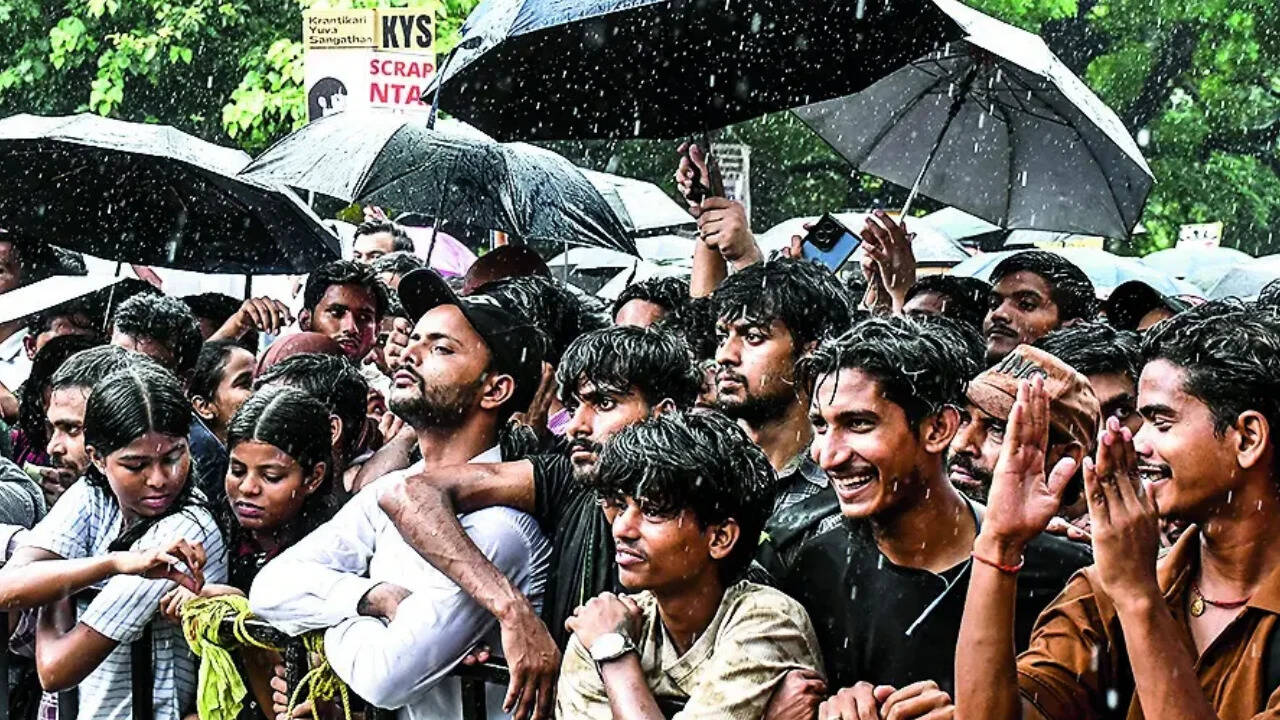
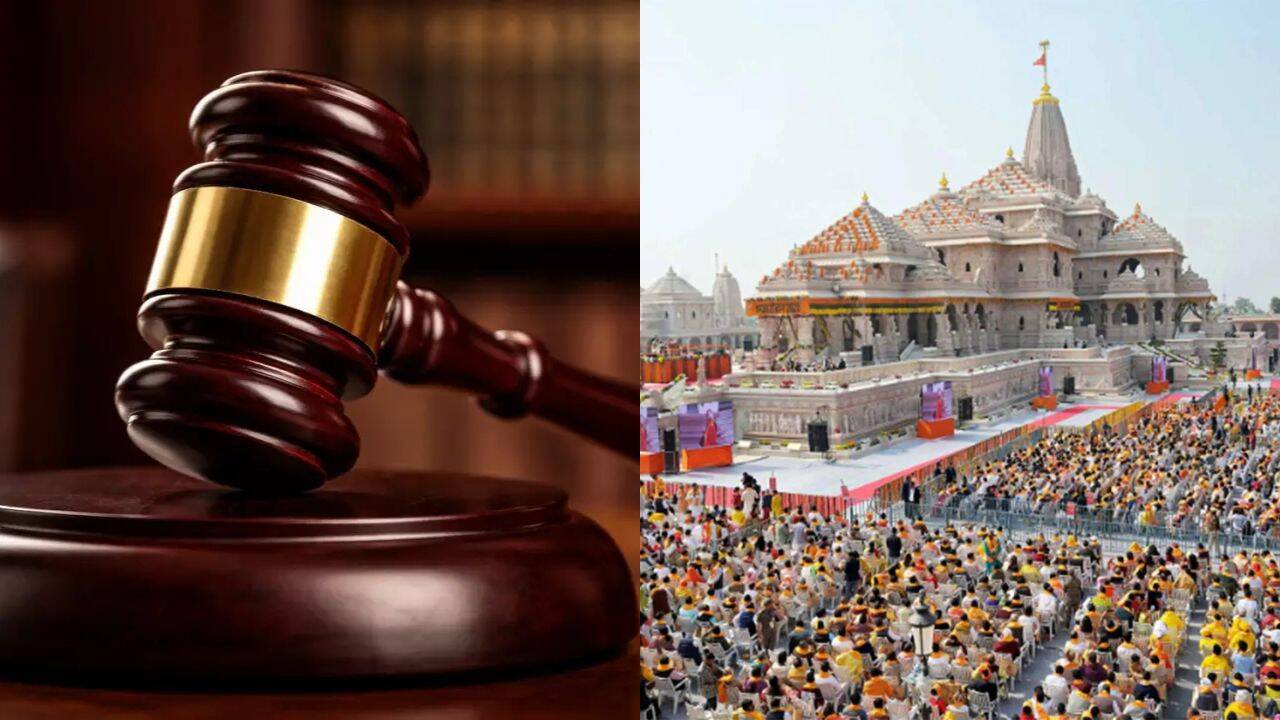
The Supreme Court has expressed reluctance to take up a Public Interest Litigation (PIL) regarding paper leaks, questioning what and how much the courts can do to address the issue.
The PIL, which was filed in response to recent instances of paper leaks in various exams, sought the court's intervention in preventing such incidents and ensuring the integrity of the examination process.
However, the Supreme Court has raised concerns about its ability to effectively address the issue, citing the limitations of the judicial system in preventing paper leaks. The court has asked the petitioners to explain what specific actions they expect the court to take and how these actions would be effective in preventing paper leaks.
The issue of paper leaks has been a persistent problem in India, with several high-profile instances of leaks in recent years. The problem has led to widespread concern about the fairness and credibility of the examination system, with many calling for urgent action to prevent such incidents.
The Supreme Court's reluctance to take up the PIL is likely to be seen as a setback for those who have been advocating for greater action to prevent paper leaks. However, the court's decision also highlights the complexity of the issue and the need for a comprehensive solution that involves not just the judiciary but also other stakeholders, including the government and educational institutions.
In recent years, there have been several instances of paper leaks in India, including in high-stakes exams such as the Joint Entrance Examination (JEE) and the National Eligibility cum Entrance Test (NEET). These incidents have led to widespread outrage and calls for greater action to prevent such incidents.
The government has taken some steps to address the issue, including the introduction of new technologies and security measures to prevent leaks. However, despite these efforts, the problem persists, and there is a growing sense of urgency about the need for more effective solutions.
The Supreme Court's decision on the PIL is likely to be closely watched, as it will have significant implications for the future of the examination system in India. The court's reluctance to take up the PIL highlights the need for a more comprehensive approach to addressing the issue of paper leaks, one that involves not just the judiciary but also other stakeholders.
In conclusion, the Supreme Court's reluctance to take up the PIL on paper leaks is a significant development that highlights the complexity of the issue and the need for a comprehensive solution. The court's decision is likely to be seen as a setback for those who have been advocating for greater action to prevent paper leaks, but it also underscores the need for a more effective and sustainable approach to addressing the issue.
Frequently asked questions
What is the PIL about paper leaks in the Supreme Court?
The PIL seeks the court's intervention in preventing paper leaks and ensuring the integrity of the examination process.
Why is the Supreme Court reluctant to take up the PIL?
The court is questioning its ability to effectively address the issue, citing the limitations of the judicial system in preventing paper leaks.