Mumbai Water Reserves Jump 12% In 24 Hours To 28.92%
Heavy monsoon rains boost reservoir levels, providing relief to city's water supply situation. Water stock increases by 12% in 24 hours.

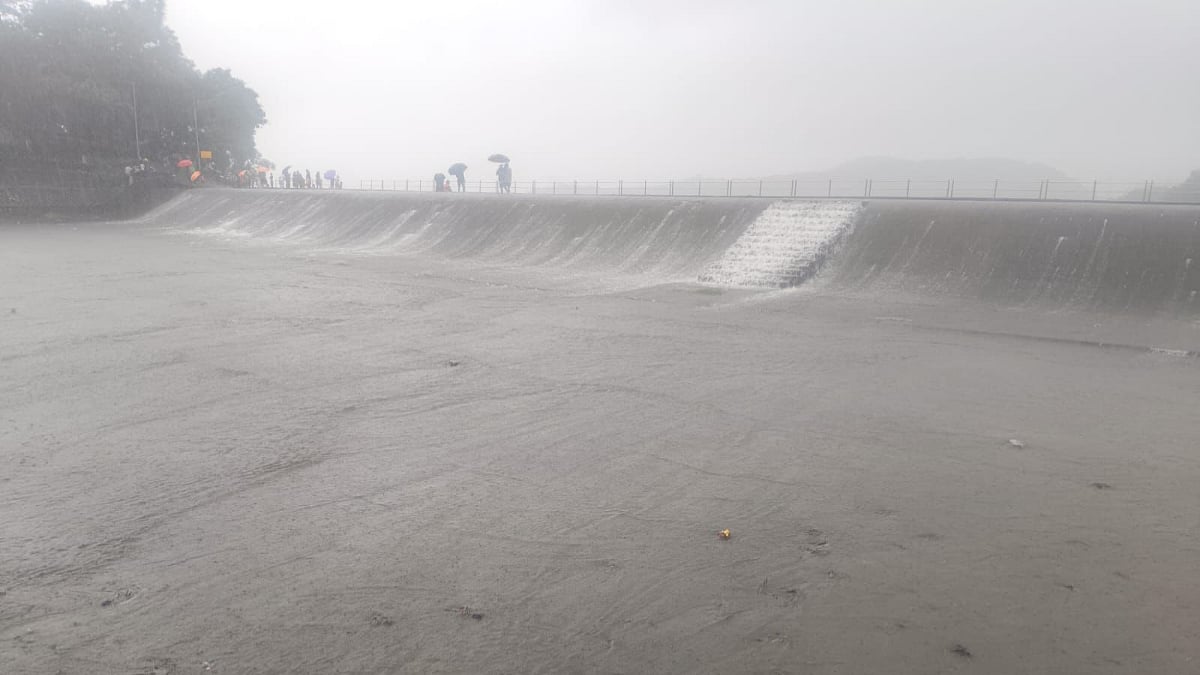
Mumbai's drinking water reserves have witnessed a significant increase after continuous heavy rainfall across the catchment areas. The city's seven reservoirs now hold 28.92% of their useful live storage capacity, with a collective storage of 418,649 million litres of water as of 6 am on July 7.
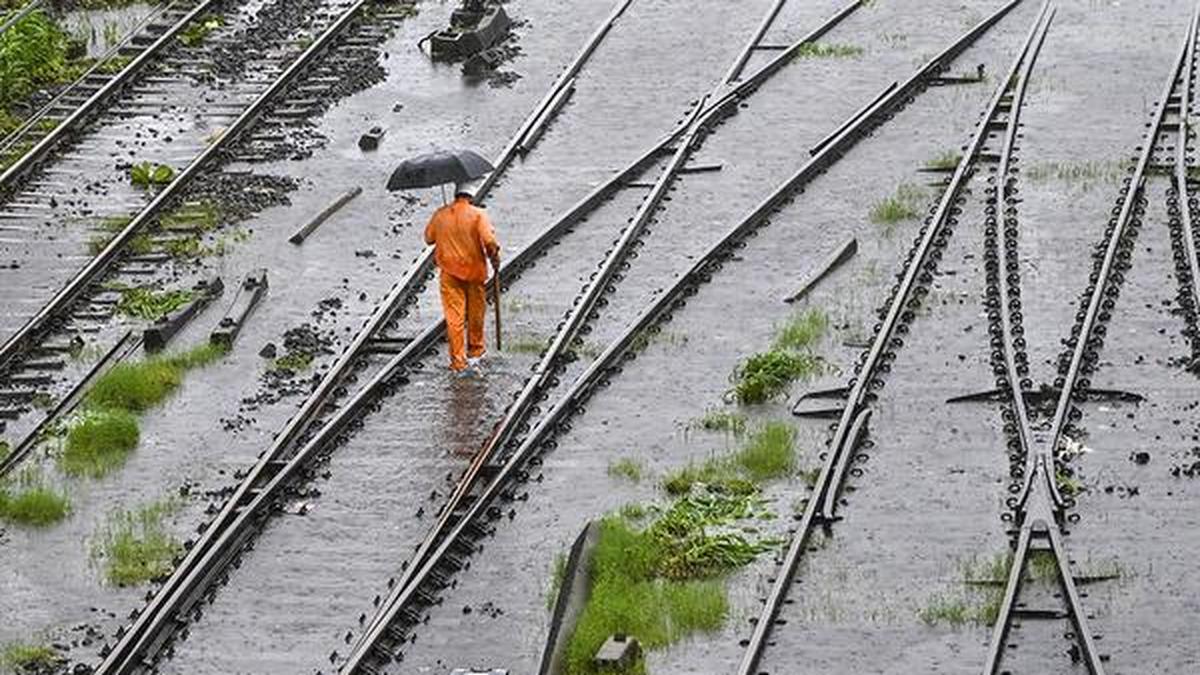
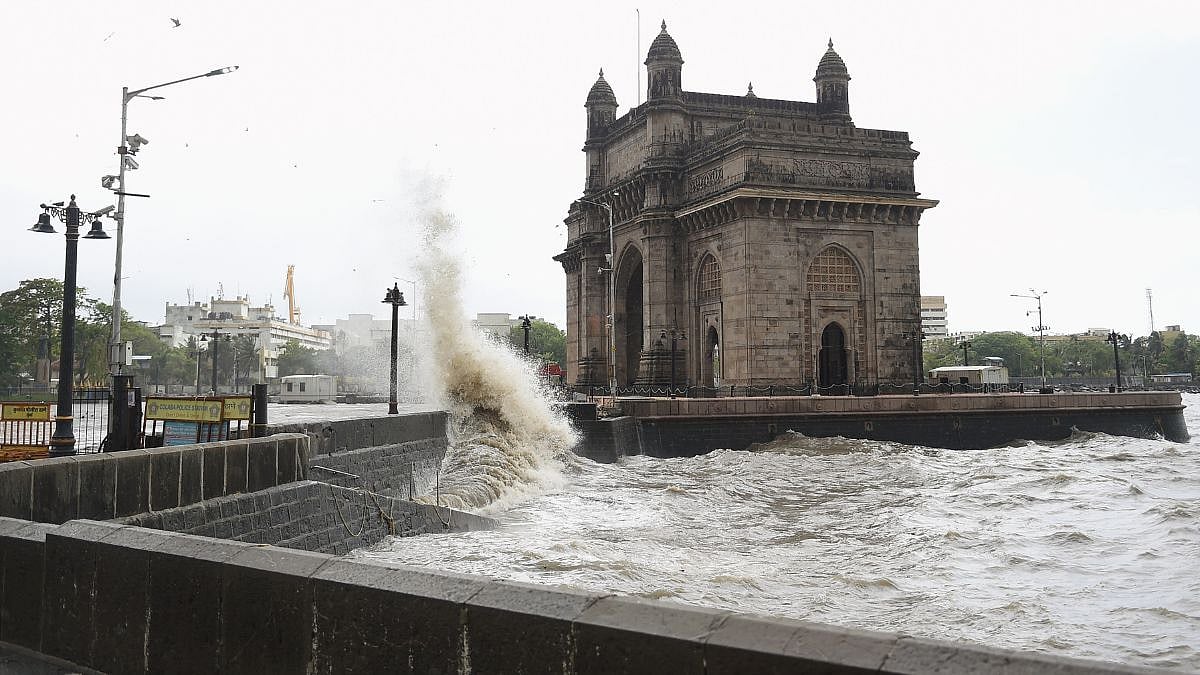
The water stock has increased by nearly 12 percentage points in just 24 hours, up from 16.92% recorded on Monday. This substantial increase in water stock comes after relentless monsoon showers lashed Mumbai and its catchment areas over the past several days, majorly improving the city's drinking water reserves.
According to the latest data released by the Hydraulic Engineer's Department, the combined storage of Upper Vaitarna, Modak Sagar, Tansa, and Middle Vaitarna, the four major reservoirs supplying Mumbai, also rose sharply to 29.92%, holding 207,843 million litres of water. Among the reservoirs, Vihar is now at 98.98% of its useful live storage, while Tulsi has reached 95.88%. Modak Sagar stands at 52.22%, Tansa at 42.85%, Middle Vaitarna at 36.12%, Bhatsa at 24.50%, and Upper Vaitarna at 12.25%.
The report shows substantial rainfall in the catchment areas during the last 24 hours, with Modak Sagar receiving 345 mm of rainfall, Tansa recording 322 mm, Middle Vaitarna 235 mm, Upper Vaitarna 212 mm, Bhatsa 172 mm, Vihar 151 mm, and Tulsi 160 mm. The Bhandup Complex, which manages Mumbai's water distribution, recorded 140 mm rainfall during the last 24 hours, taking the cumulative monsoon rainfall at the complex to 1,602 mm.
The Upper Vaitarna reservoir release, which had been ongoing since June 22, was stopped at 10 am on July 6. The Middle Vaitarna WSCPO gate was also closed at 10:40 pm on July 6 following the sharp rise in reservoir levels. This development is expected to provide significant relief to the city's water supply situation, which has been a major concern in recent times.
The increase in water stock is a welcome relief for Mumbai residents, who have been facing water supply issues due to the depletion of reservoir levels. The heavy monsoon rains have not only improved the city's drinking water reserves but also reduced the risk of water scarcity in the coming months. With the reservoir levels expected to rise further, the city's water supply situation is likely to improve significantly.
In the coming days, the city's water supply situation is expected to be closely monitored by the authorities, who will take necessary steps to ensure that the water stock is managed efficiently. The stopping of the Upper Vaitarna reservoir release and the closure of the Middle Vaitarna WSCPO gate are expected to help maintain the water levels in the reservoirs, providing a steady supply of water to the city.
Overall, the significant increase in Mumbai's water reserves is a positive development, and the city's residents can expect a steady supply of water in the coming months. The authorities will continue to monitor the situation and take necessary steps to ensure that the water stock is managed efficiently, providing relief to the city's water supply situation.