Bihar Cabinet Approves Gram Panchayats' Power to Levy Local Taxes
Bihar government's decision sparks opposition outcry, RJD demands withdrawal
'%3E%3Crect%20width%3D'96'%20height%3D'96'%20fill%3D'%231A5276'%2F%3E%3Ccircle%20cx%3D'30'%20cy%3D'24'%20r%3D'44'%20fill%3D'%23fff'%20opacity%3D'.12'%2F%3E%3Ccircle%20cx%3D'60'%20cy%3D'74'%20r%3D'40'%20fill%3D'%23000'%20opacity%3D'.10'%2F%3E%3C%2Fg%3E%3Cg%20fill%3D'%23fff'%3E%3Cpath%20d%3D'M31%2041%20L48%2031%20L65%2041%20Z'%2F%3E%3Crect%20x%3D'33'%20y%3D'43'%20width%3D'4'%20height%3D'17'%2F%3E%3Crect%20x%3D'41'%20y%3D'43'%20width%3D'4'%20height%3D'17'%2F%3E%3Crect%20x%3D'51'%20y%3D'43'%20width%3D'4'%20height%3D'17'%2F%3E%3Crect%20x%3D'59'%20y%3D'43'%20width%3D'4'%20height%3D'17'%2F%3E%3Crect%20x%3D'30'%20y%3D'62'%20width%3D'36'%20height%3D'4'%20rx%3D'1'%2F%3E%3C%2Fg%3E%3C%2Fsvg%3E)
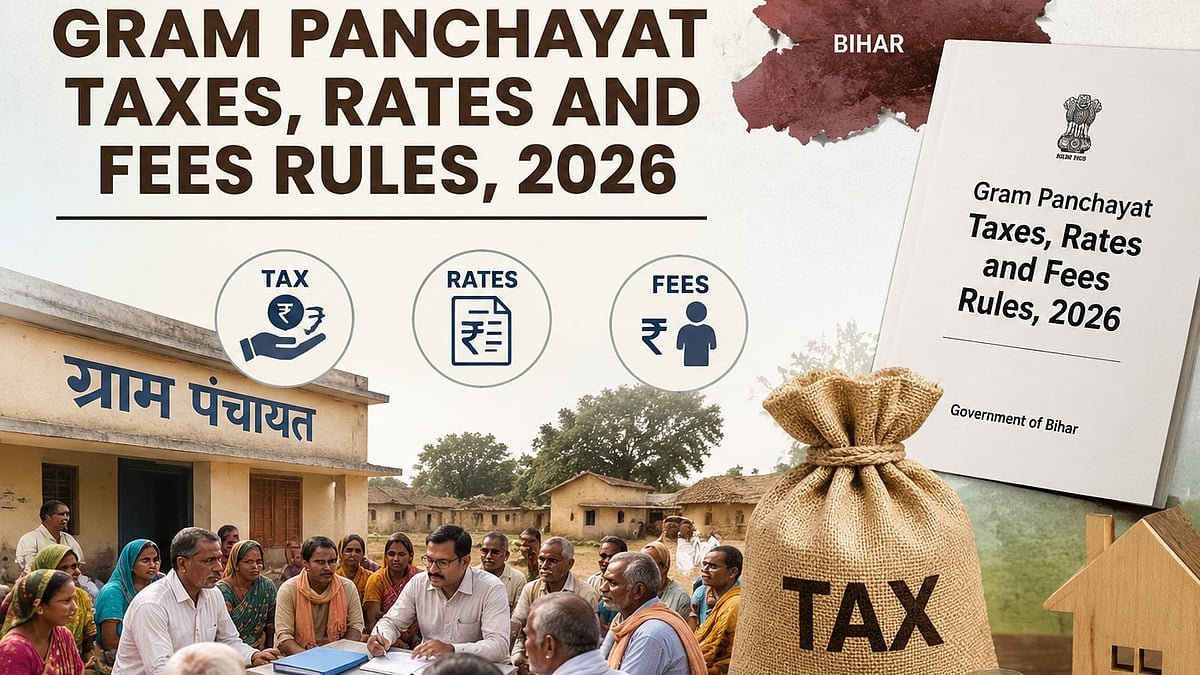
A major controversy has erupted in Bihar after the state cabinet approved a proposal granting Gram Panchayats the power to independently levy and collect local taxes, rates, and user fees. The decision, aimed at increasing rural self-reliance, has been met with fierce opposition from various parties, including the RJD.
The RJD has condemned the move, alleging that it will unfairly burden poor villagers, farmers, and middle-class families who are already struggling with inflation, unemployment, and poverty. State RJD spokesperson Arun Kumar Yadav claimed that the approval of the Gram Panchayat Tax and Fee Rules, 2026, was unjust and would lead to an additional tax burden on rural residents.
According to the proposal, Gram Panchayats can develop their own resources to generate revenue and will be able to collect taxes and fees on holdings, professions, businesses, markets, and industries within their jurisdiction. The government contends that this will reduce the panchayats' dependence on it and enable them to carry out development work more effectively.
However, opposition parties have demanded the withdrawal of the proposal, citing its potential to harm rural residents. CPI(ML) MLA Sandeep Saurav alleged that the government was engaged in looting the public to fill the coffers of wealthy individuals. The RJD has also asked the government to focus on providing better basic infrastructure and public services to rural residents instead of imposing additional financial burdens.
The Bihar government has defended the proposal, with Food and Consumer Protection Minister Ashok Choudhary claiming that the opposition had no other work to do. He argued that development work could not be carried out without imposing taxes. The government's decision is expected to have significant implications for rural development in Bihar, with Gram Panchayats now empowered to collect revenue directly.
The controversy surrounding the proposal highlights the challenges faced by the Bihar government in balancing its efforts to increase rural self-reliance with the need to protect the interests of rural residents. As the debate continues, it remains to be seen how the government will address the concerns of opposition parties and ensure that the proposal benefits rural communities.
In the context of Bihar's rural development, the proposal is significant as it aims to reduce the dependence of Gram Panchayats on the state government. The move is expected to enable panchayats to generate their own revenue and carry out development work more effectively. However, the opposition's concerns about the potential impact on rural residents must be addressed to ensure that the proposal is implemented in a fair and equitable manner.
The decision also highlights the importance of effective governance and fiscal management at the local level. With Gram Panchayats now empowered to collect taxes and fees, it is essential that they are able to manage their finances effectively and prioritize the needs of rural residents.
In conclusion, the Bihar government's decision to grant Gram Panchayats the power to levy and collect local taxes has sparked a major controversy, with opposition parties demanding its withdrawal. While the government contends that the move will increase rural self-reliance, the opposition has raised concerns about its potential impact on rural residents. As the debate continues, it is essential that the government addresses the concerns of opposition parties and ensures that the proposal benefits rural communities.
The implications of the proposal are far-reaching, and its implementation will be closely watched by rural communities and opposition parties. The Bihar government must ensure that the proposal is implemented in a fair and equitable manner, prioritizing the needs of rural residents and addressing their concerns about the potential impact of the tax burden.
Ultimately, the success of the proposal will depend on the government's ability to balance its efforts to increase rural self-reliance with the need to protect the interests of rural residents. As the controversy surrounding the proposal continues, it remains to be seen how the government will address the concerns of opposition parties and ensure that the proposal benefits rural communities in Bihar.
The proposal is a significant development in the context of rural governance in Bihar, and its implementation will have important implications for the state's rural development. The government must ensure that the proposal is implemented in a manner that prioritizes the needs of rural residents and addresses their concerns about the potential impact of the tax burden.
In the broader context of Indian politics, the controversy surrounding the proposal highlights the challenges faced by state governments in balancing their efforts to increase rural self-reliance with the need to protect the interests of rural residents. The debate surrounding the proposal is likely to have implications for other states, where similar proposals may be considered in the future.
The proposal also highlights the importance of effective governance and fiscal management at the local level. With Gram Panchayats now empowered to collect taxes and fees, it is essential that they are able to manage their finances effectively and prioritize the needs of rural residents. The success of the proposal will depend on the government's ability to ensure that Gram Panchayats are able to manage their finances effectively and prioritize the needs of rural residents.
The controversy surrounding the proposal is a significant development in the context of Bihar politics, and its implications will be closely watched by opposition parties and rural communities. The government must ensure that the proposal is implemented in a fair and equitable manner, prioritizing the needs of rural residents and addressing their concerns about the potential impact of the tax burden.
In conclusion, the Bihar government's decision to grant Gram Panchayats the power to levy and collect local taxes has sparked a major controversy, with opposition parties demanding its withdrawal. While the government contends that the move will increase rural self-reliance, the opposition has raised concerns about its potential impact on rural residents. The success of the proposal will depend on the government's ability to balance its efforts to increase rural self-reliance with the need to protect the interests of rural residents.
The proposal is a significant development in the context of rural governance in Bihar, and its implementation will have important implications for the state's rural development. The government must ensure that the proposal is implemented in a manner that prioritizes the needs of rural residents and addresses their concerns about the potential impact of the tax burden. The controversy surrounding the proposal highlights the challenges faced by the Bihar government in balancing its efforts to increase rural self-reliance with the need to protect the interests of rural residents.
The proposal also highlights the importance of effective governance and fiscal management at the local level. With Gram Panchayats now empowered to collect taxes and fees, it is essential that they are able to manage their finances effectively and prioritize the needs of rural residents. The success of the proposal will depend on the government's ability to ensure that Gram Panchayats are able to manage their finances effectively and prioritize the needs of rural residents.
The controversy surrounding the proposal is a significant development in the context of Bihar politics, and its implications will be closely watched by opposition parties and rural communities. The government must ensure that the proposal is implemented in a fair and equitable manner, prioritizing the needs of rural residents and addressing their concerns about the potential impact of the tax burden.
For Mumbai residents, the controversy surrounding the proposal may seem distant, but it highlights the importance of effective governance and fiscal management at the local level. The success of the proposal will depend on the government's ability to balance its efforts to increase rural self-reliance with the need to protect the interests of rural residents. The controversy surrounding the proposal is a reminder that the needs of rural residents must be prioritized in any effort to increase rural self-reliance.
In the end, the proposal is a significant development in the context of rural governance in Bihar, and its implementation will have important implications for the state's rural development. The government must ensure that the proposal is implemented in a manner that prioritizes the needs of rural residents and addresses their concerns about the potential impact of the tax burden. The controversy surrounding the proposal highlights the challenges faced by the Bihar government in balancing its efforts to increase rural self-reliance with the need to protect the interests of rural residents.
The proposal is a significant step towards increasing rural self-reliance in Bihar, but its success will depend on the government's ability to ensure that Gram Panchayats are able to manage their finances effectively and prioritize the needs of rural residents. The controversy surrounding the proposal is a reminder that the needs of rural residents must be prioritized in any effort to increase rural self-reliance. The government must ensure that the proposal is implemented in a fair and equitable manner, prioritizing the needs of rural residents and addressing their concerns about the potential impact of the tax burden.
The proposal has significant implications for rural development in Bihar, and its implementation will be closely watched by opposition parties and rural communities. The government must ensure that the proposal is implemented in a manner that prioritizes the needs of rural residents and addresses their concerns about the potential impact of the tax burden. The controversy surrounding the proposal highlights the challenges faced by the Bihar government in balancing its efforts to increase rural self-reliance with the need to protect the interests of rural residents.
The success of the proposal will depend on the government's ability to balance its efforts to increase rural self-reliance with the need to protect the interests of rural residents. The controversy surrounding the proposal is a reminder that the needs of rural residents must be prioritized in any effort to increase rural self-reliance. The government must ensure that the proposal is implemented in a fair and equitable manner, prioritizing the needs of rural residents and addressing their concerns about the potential impact of the tax burden.
In conclusion, the Bihar government's decision to grant Gram Panchayats the power to levy and collect local taxes has sparked a major controversy, with opposition parties demanding its withdrawal. While the government contends that the move will increase rural self-reliance, the opposition has raised concerns about its potential impact on rural residents. The success of the proposal will depend on the government's ability to balance its efforts to increase rural self-reliance with the need to protect the interests of rural residents.
The proposal is a significant development in the context of rural governance in Bihar, and its implementation will have important implications for the state's rural development. The government must ensure that the proposal is implemented in a manner that prioritizes the needs of rural residents and addresses their concerns about the potential impact of the tax burden. The controversy surrounding the proposal highlights the challenges faced by the Bihar government in balancing its efforts to increase rural self-reliance with the need to protect the interests of rural residents.
The proposal also highlights the importance of effective governance and fiscal management at the local level. With Gram Panchayats now empowered to collect taxes and fees, it is essential that they are able to manage their finances effectively and prioritize the needs of rural residents. The success of the proposal will depend on the government's ability to ensure that Gram Panchayats are able to manage their finances effectively and prioritize the needs of rural residents.
The controversy surrounding the proposal is a significant development in the context of Bihar politics, and its implications will be closely watched by opposition parties and rural communities. The government must ensure that the proposal is implemented in a fair and equitable manner, prioritizing the needs of rural residents and addressing their concerns about the potential impact of the tax burden.
For Mumbai residents, the controversy surrounding the proposal may seem distant, but it highlights the importance of effective governance and fiscal management at the local level. The success of the proposal will depend on the government's ability to balance its efforts to increase rural self-reliance with the need to protect the interests of rural residents. The controversy surrounding the proposal is a reminder that the needs of rural residents must be prioritized in any effort to increase rural self-reliance.
In the end, the proposal is a significant development in the context of rural governance in Bihar, and its implementation will have important implications for the state's rural development. The government must ensure that the proposal is implemented in a manner that prioritizes the needs of rural residents and addresses their concerns about the potential impact of the tax burden. The controversy surrounding the proposal highlights the challenges faced by the Bihar government in balancing its efforts to increase rural self-reliance with the need to protect the interests of rural residents.
It means that the Bihar government's decision to grant Gram Panchayats the power to levy and collect local taxes has significant implications for rural development in the state. The proposal's success will depend on the government's ability to balance its efforts to increase rural self-reliance with the need to protect the interests of rural residents. The controversy surrounding the proposal is a reminder that the needs of rural residents must be prioritized in any effort to increase rural self-reliance.