BMC Allows Shared Waste Sites
BMC plans to allow shared waste sites for big generators, space issue solved
'%3E%3Crect%20width%3D'96'%20height%3D'96'%20fill%3D'%23B3261E'%2F%3E%3Ccircle%20cx%3D'30'%20cy%3D'24'%20r%3D'44'%20fill%3D'%23fff'%20opacity%3D'.12'%2F%3E%3Ccircle%20cx%3D'60'%20cy%3D'74'%20r%3D'40'%20fill%3D'%23000'%20opacity%3D'.10'%2F%3E%3C%2Fg%3E%3Cg%20fill%3D'%23fff'%3E%3Crect%20x%3D'29'%20y%3D'49'%20width%3D'8'%20height%3D'19'%20rx%3D'1'%2F%3E%3Crect%20x%3D'39'%20y%3D'40'%20width%3D'9'%20height%3D'28'%20rx%3D'1'%2F%3E%3Crect%20x%3D'50'%20y%3D'45'%20width%3D'8'%20height%3D'23'%20rx%3D'1'%2F%3E%3Crect%20x%3D'60'%20y%3D'53'%20width%3D'7'%20height%3D'15'%20rx%3D'1'%2F%3E%3Crect%20x%3D'41'%20y%3D'34'%20width%3D'5'%20height%3D'6'%2F%3E%3C%2Fg%3E%3C%2Fsvg%3E)
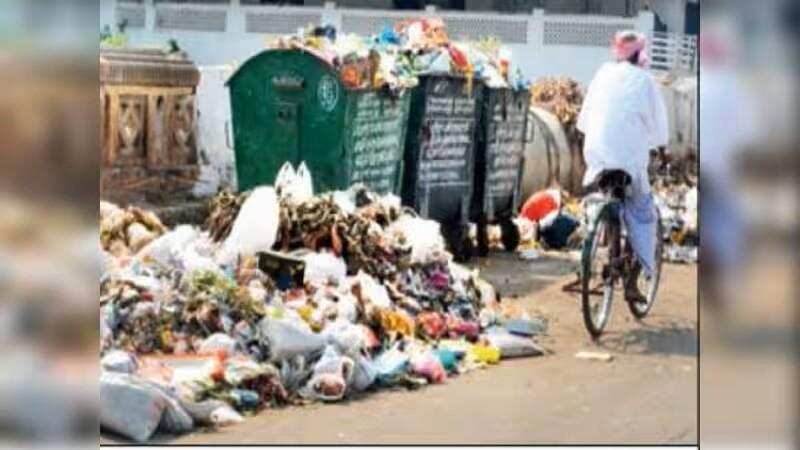
The Brihanmumbai Municipal Corporation (BMC) has planned to allow shared waste processing sites for big waste generators that lack space. This move is expected to help large establishments such as hotels, hospitals, and commercial complexes that generate a significant amount of waste but do not have enough space to process it.
The BMC has identified that many big waste generators in the city do not have sufficient space to set up their own waste processing facilities. As a result, they are forced to rely on the civic body's waste collection system, which is already overburdened. By allowing shared waste processing sites, the BMC aims to reduce the burden on its waste collection system and promote decentralized waste management.
The shared waste processing sites will be set up by private operators who will collect waste from multiple generators and process it at a single location. This will not only help reduce the amount of waste sent to landfills but also generate revenue for the operators through the sale of recyclables and compost.
The BMC has already begun identifying potential locations for the shared waste processing sites and is in the process of finalizing the guidelines for private operators. The civic body is expected to issue a notification soon, inviting private operators to set up shared waste processing sites in the city.
The move is seen as a significant step towards improving waste management in Mumbai, which generates over 9,000 metric tons of waste every day. The BMC has been struggling to manage the city's waste, with many areas facing issues with garbage disposal. By promoting decentralized waste management, the BMC hopes to reduce the amount of waste sent to landfills and create a more sustainable waste management system.
The shared waste processing sites are expected to be equipped with modern facilities, including composting and recycling plants. The operators will be required to adhere to strict guidelines and regulations to ensure that the waste is processed in an environmentally friendly manner.
The BMC's decision to allow shared waste processing sites is a welcome move, as it will help reduce the burden on the civic body's waste collection system and promote sustainable waste management practices. It is expected to have a positive impact on the city's environment and public health.
In recent years, the BMC has taken several initiatives to improve waste management in the city, including the introduction of a door-to-door garbage collection system and the setting up of waste processing facilities. The move to allow shared waste processing sites is seen as a significant step towards achieving the city's goal of becoming a zero-waste city.
The BMC's efforts to improve waste management are crucial, given the city's growing population and increasing waste generation. By promoting decentralized waste management and encouraging private operators to set up shared waste processing sites, the BMC hopes to create a more sustainable and environmentally friendly waste management system for the city.
In conclusion, the BMC's plan to allow shared waste processing sites for big waste generators lacking space is a significant step towards improving waste management in Mumbai. The move is expected to reduce the burden on the civic body's waste collection system, promote decentralized waste management, and create a more sustainable waste management system for the city.
Frequently asked questions
What is the BMC's plan for big waste generators?
The BMC plans to allow shared waste processing sites for big waste generators that lack space.
How will the shared waste processing sites work?
Private operators will collect waste from multiple generators and process it at a single location.