Sion Hospital Faces Blood Shortage
Blood donations drop, thalassemia patients at risk. Sion Hospital sees 23% decline in collections.

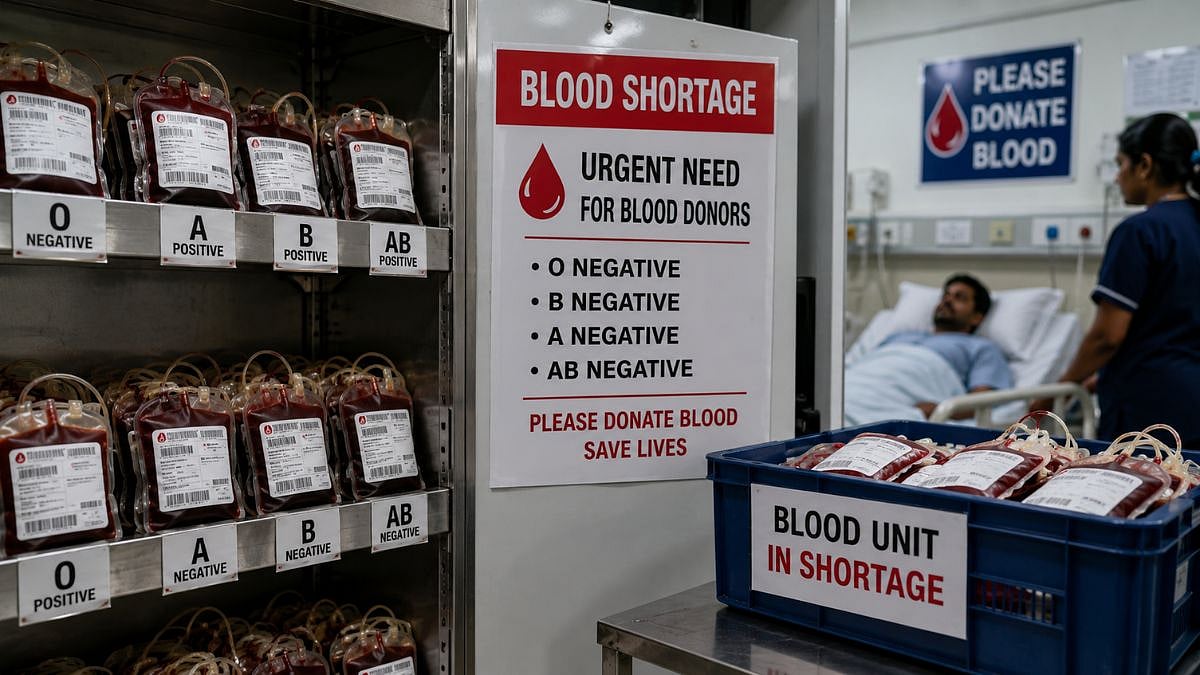
Sion Hospital, one of Maharashtra's largest centres for thalassemia treatment, is facing an acute blood shortage due to a sharp decline in blood donations over the past two years.
The hospital's blood bank collected only 6,817 units of blood between January and June 2026, a 23% decline compared to previous years. This decline has raised concerns over the uninterrupted treatment of thousands of thalassemia patients who depend on regular blood transfusions.
According to hospital data, the blood bank organised 67 donation camps during the same period. In contrast, the hospital had collected 18,080 units of blood through 164 camps in 2024, and 16,345 blood bags were transfused to thalassemia patients during the year.
The trend has worsened further in 2026, with collections till June standing at less than half of the previous year's annual collection. This has triggered fears that the available stock may not be sufficient even for thalassemia patients, let alone accident victims and other emergency cases requiring blood transfusions.
Data from previous years also indicates mounting pressure on the blood bank. In 2023, the hospital collected 14,431 units through 153 camps and supplied 14,268 blood bags to thalassemia patients. In 2022, it collected 15,871 units through 146 camps, while 12,638 bags were used for thalassemia treatment.
The decline in voluntary blood donation camps has significantly impacted the hospital's ability to maintain adequate blood stocks. Hospital officials and blood bank authorities have expressed concern that many of their regular blood donation camps are increasingly being conducted by private blood banks, affecting collections at Sion Hospital.
A family was forced to buy blood from outside due to the non-availability at the hospital blood bank. Ashfaq K., whose daughter Arfa Attar has been undergoing treatment for blood cancer, said that despite their poor financial condition, they had no other option.
Sion Hospital is now expected to intensify efforts to organise more donation drives and appeal to voluntary donors and organisations to support the civic hospital's blood bank amid the growing crisis.
The hospital administration is concerned about the impact of the blood shortage on thalassemia patients who require lifelong and periodic blood transfusions. The hospital caters to a substantial number of patients requiring these transfusions, and the shortage could have severe consequences for their treatment.
The decline in blood donations is a cause for concern, and the hospital is urging voluntary donors and organisations to come forward and support the blood bank. The hospital's efforts to organise more donation drives and appeal to donors are crucial in addressing the shortage and ensuring that patients receive the treatment they need.
The blood shortage at Sion Hospital highlights the need for increased awareness and support for blood donation in Mumbai. The city's residents can play a crucial role in addressing the shortage by donating blood and encouraging others to do so.
In conclusion, the blood shortage at Sion Hospital is a serious concern that requires immediate attention. The hospital's efforts to address the shortage, combined with the support of voluntary donors and organisations, are essential in ensuring that patients receive the treatment they need.