Iran prepares for potential mass casualties at Supreme Leader Khamenei's funeral
Iranian authorities are reportedly bracing for large-scale crowd disasters at the funeral of Supreme Leader Ayatollah Ali Khamenei, with officials reportedly accepting potential casualties of up to 3,000 people. The preparations reflect concerns about unprecedented public attendance at the major state funeral.

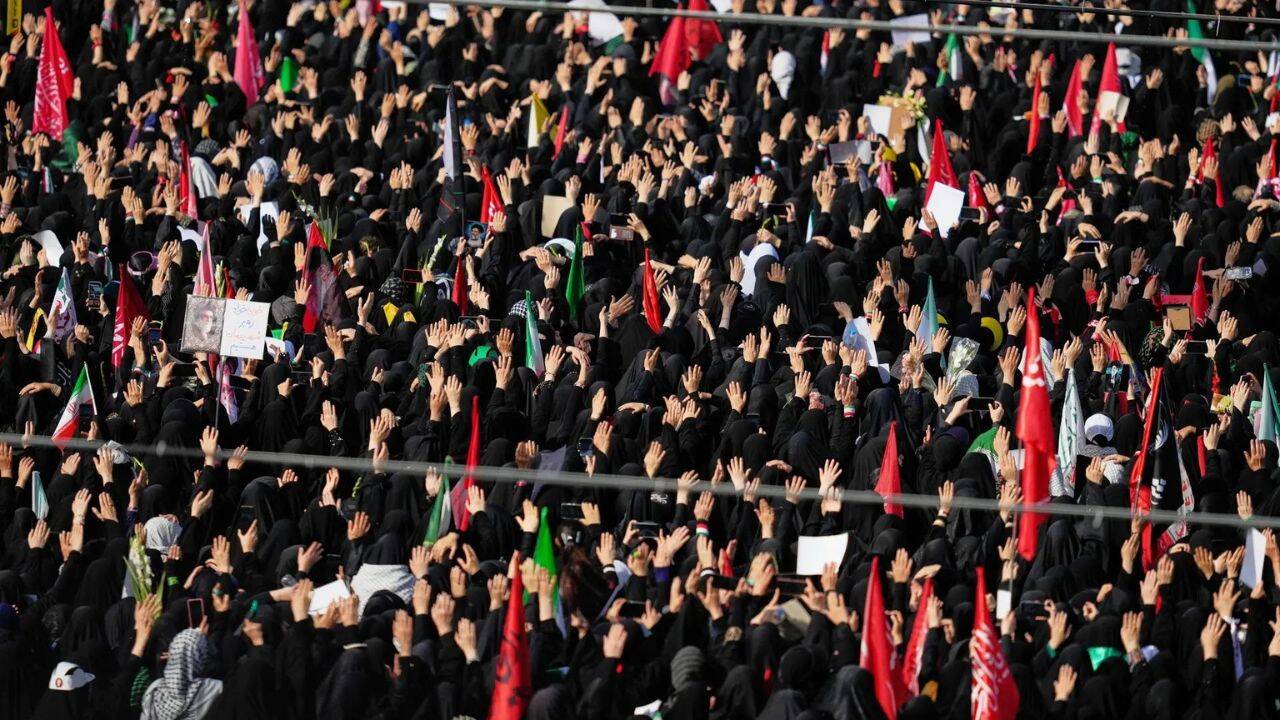
Iran is preparing for potential mass casualty incidents at the funeral of Supreme Leader Ayatollah Ali Khamenei, according to recent reports. Iranian authorities have reportedly acknowledged the possibility of up to 3,000 deaths occurring during the funeral proceedings, suggesting officials are bracing for a major crowd disaster at what is expected to be one of the largest public gatherings in the country's history.
The extent of these preparations underscores the scale of public response Iranian officials anticipate for Khamenei's funeral. As the supreme leader of Iran since 1989, Khamenei commands significant emotional and political importance among many Iranians. His death would trigger a major state funeral expected to draw massive crowds from across the country and potentially from abroad, creating unprecedented logistical and safety challenges for authorities managing the event.
Historically, major state funerals in Iran have attracted enormous crowds, sometimes resulting in tragic stampedes and crowd-related incidents. The reported acceptance of potential mass casualties indicates that Iranian officials are planning based on worst-case scenarios, though such planning does not necessarily mean deaths are inevitable. Instead, it reflects contingency measures authorities are considering given the expected scale of mourning and public participation.
The funeral arrangements involve multiple security and crowd management agencies coordinating to handle what could be millions of participants. Officials would need to manage traffic flow, medical emergencies, and crowd control across various venues and routes. The reported casualty projections suggest authorities are aware of the serious risks associated with managing such unprecedented numbers.
No date has been announced for the funeral, and Khamenei currently remains the active leader of Iran. However, the reported preparations indicate that Iranian state institutions are actively planning for this eventuality. International observers note that such contingency planning is standard practice for major state funerals in countries with large populations and strong public attachment to national leaders.
The reported figures have raised international concern about the safety protocols Iran will employ during the funeral. Global health and safety experts typically recommend specific crowd management strategies to prevent disasters at large public gatherings, and the scale of Iran's anticipated event presents significant operational challenges.