Akhilesh Credits Family Presence for SP Unity
Akhilesh Yadav explains why SP didn't split. Family ties helped.
'%3E%3Crect%20width%3D'96'%20height%3D'96'%20fill%3D'%231A5276'%2F%3E%3Ccircle%20cx%3D'30'%20cy%3D'24'%20r%3D'44'%20fill%3D'%23fff'%20opacity%3D'.12'%2F%3E%3Ccircle%20cx%3D'60'%20cy%3D'74'%20r%3D'40'%20fill%3D'%23000'%20opacity%3D'.10'%2F%3E%3C%2Fg%3E%3Cg%20fill%3D'%23fff'%3E%3Cpath%20d%3D'M31%2041%20L48%2031%20L65%2041%20Z'%2F%3E%3Crect%20x%3D'33'%20y%3D'43'%20width%3D'4'%20height%3D'17'%2F%3E%3Crect%20x%3D'41'%20y%3D'43'%20width%3D'4'%20height%3D'17'%2F%3E%3Crect%20x%3D'51'%20y%3D'43'%20width%3D'4'%20height%3D'17'%2F%3E%3Crect%20x%3D'59'%20y%3D'43'%20width%3D'4'%20height%3D'17'%2F%3E%3Crect%20x%3D'30'%20y%3D'62'%20width%3D'36'%20height%3D'4'%20rx%3D'1'%2F%3E%3C%2Fg%3E%3C%2Fsvg%3E)
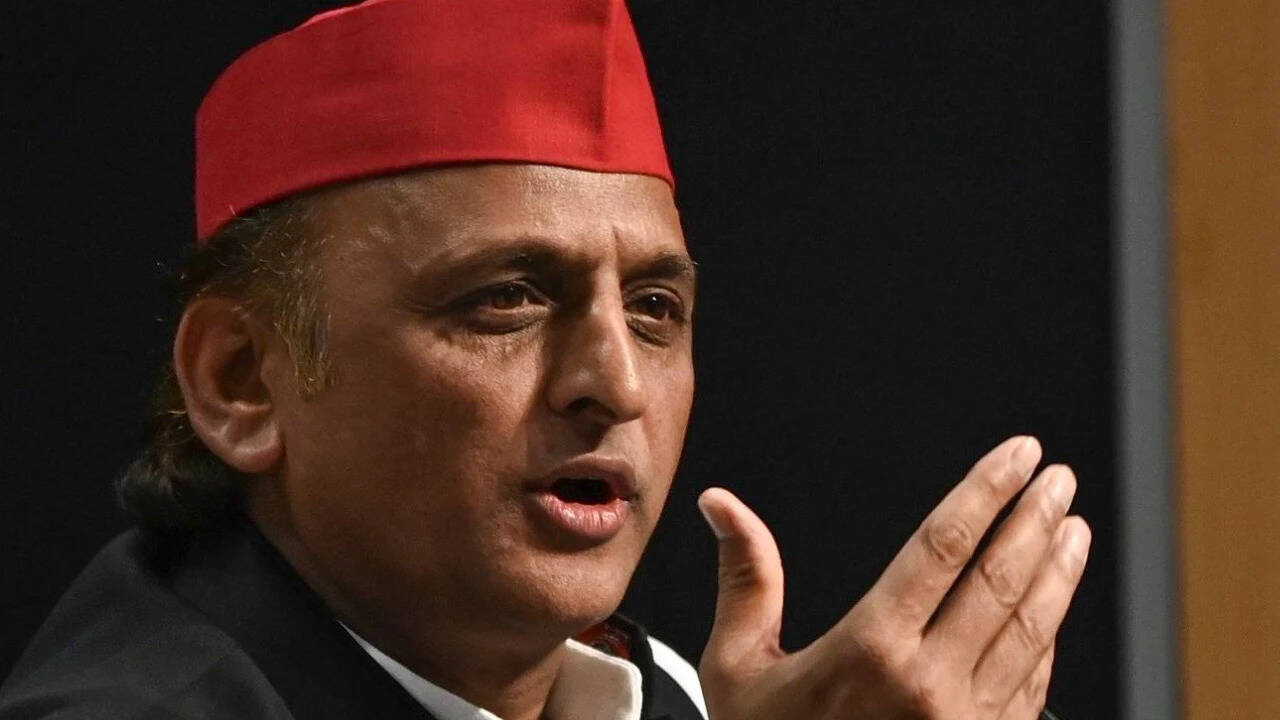
Akhilesh Yadav, the leader of the Samajwadi Party, has attributed the party's unity to the presence of multiple family members within its ranks. In a recent statement, he pointed out that having five MPs from his own family has helped prevent a split in the party.
According to Akhilesh, the diverse representation within the party, including Muslim MPs and staunch socialists, has also contributed to its stability. He suggested that the presence of these different groups has ensured that the party's numbers would not decrease, even in the face of potential splits.
The Samajwadi Party has indeed been known for its strong family ties, with several members of Akhilesh's family holding key positions within the party. This includes his father, Mulayam Singh Yadav, who founded the party, as well as other relatives who have been actively involved in its operations.
Akhilesh's comments come at a time when many political parties in India are struggling with internal divisions and splits. The Samajwadi Party, however, has managed to maintain its unity, despite facing several challenges in recent years.
The party's ability to stay together can be attributed to its strong leadership and the presence of a cohesive family unit at its core. Akhilesh's statement highlights the importance of family ties in Indian politics, where dynastic politics is a common phenomenon.
In the context of Indian politics, the Samajwadi Party's experience is significant. Many parties have struggled with internal conflicts and splits, often leading to a decline in their popularity and influence. The SP's ability to maintain its unity, on the other hand, has allowed it to remain a major player in Indian politics.
Akhilesh's comments also underscore the role of diverse representation within the party. The presence of Muslim MPs and staunch socialists has helped to ensure that the party's interests are represented across different segments of society.
In conclusion, Akhilesh Yadav's statement highlights the importance of family ties and diverse representation in maintaining party unity. The Samajwadi Party's experience serves as a significant example in the context of Indian politics, where internal divisions and splits are common.
The party's ability to stay together has allowed it to remain a major player in Indian politics, and its experience can serve as a lesson for other parties struggling with internal conflicts. As Indian politics continues to evolve, the importance of strong leadership and cohesive family units will likely remain a key factor in determining the success of political parties.
Overall, Akhilesh's comments provide valuable insights into the dynamics of Indian politics and the importance of family ties and diverse representation in maintaining party unity. His statement is a significant contribution to the ongoing debate about the role of dynastic politics in India and its impact on the country's political landscape.
The significance of the Samajwadi Party's experience extends beyond the party itself, as it highlights the importance of strong leadership and cohesive family units in Indian politics. As the country continues to navigate its complex political landscape, the lessons learned from the SP's experience will likely remain relevant for years to come.
In the end, Akhilesh's statement serves as a reminder of the complexities of Indian politics and the importance of understanding the role of family ties and diverse representation in maintaining party unity. His comments provide a unique perspective on the dynamics of Indian politics and highlight the need for strong leadership and cohesive family units in political parties.
The Samajwadi Party's experience is a significant example of the importance of family ties and diverse representation in Indian politics. As the party continues to evolve and navigate the complexities of Indian politics, its ability to maintain unity will likely remain a key factor in its success.
Akhilesh's comments have sparked a debate about the role of dynastic politics in India and its impact on the country's political landscape. The discussion highlights the complexities of Indian politics and the need for a nuanced understanding of the factors that contribute to party unity.
In conclusion, the Samajwadi Party's experience serves as a significant example of the importance of family ties and diverse representation in maintaining party unity. Akhilesh's comments provide valuable insights into the dynamics of Indian politics and highlight the need for strong leadership and cohesive family units in political parties.
The party's ability to stay together has allowed it to remain a major player in Indian politics, and its experience can serve as a lesson for other parties struggling with internal conflicts. As Indian politics continues to evolve, the importance of family ties and diverse representation will likely remain a key factor in determining the success of political parties.
The significance of the Samajwadi Party's experience extends beyond the party itself, as it highlights the importance of strong leadership and cohesive family units in Indian politics. The lessons learned from the SP's experience will likely remain relevant for years to come, as the country continues to navigate its complex political landscape.
Akhilesh's statement serves as a reminder of the complexities of Indian politics and the importance of understanding the role of family ties and diverse representation in maintaining party unity. His comments provide a unique perspective on the dynamics of Indian politics and highlight the need for strong leadership and cohesive family units in political parties.
The Samajwadi Party's experience is a significant example of the importance of family ties and diverse representation in Indian politics. As the party continues to evolve and navigate the complexities of Indian politics, its ability to maintain unity will likely remain a key factor in its success.
Frequently asked questions
Why did Akhilesh Yadav say the Samajwadi Party didn't split?
Akhilesh attributed the party's unity to the presence of multiple family members within its ranks, including five MPs from his own family.
What role does dynastic politics play in the Samajwadi Party's unity?
Akhilesh's statement highlights the importance of family ties in maintaining party unity, suggesting that the presence of multiple family members has helped prevent a split in the party.