Texas Releases 880 Weevils to Fight Worst Weed
Tiny weevils fight Texas weed, 880 released in 2001. Weevils target worst weed.
'%3E%3Crect%20width%3D'96'%20height%3D'96'%20fill%3D'%23B3261E'%2F%3E%3Ccircle%20cx%3D'30'%20cy%3D'24'%20r%3D'44'%20fill%3D'%23fff'%20opacity%3D'.12'%2F%3E%3Ccircle%20cx%3D'60'%20cy%3D'74'%20r%3D'40'%20fill%3D'%23000'%20opacity%3D'.10'%2F%3E%3C%2Fg%3E%3Cg%20fill%3D'%23fff'%3E%3Crect%20x%3D'29'%20y%3D'49'%20width%3D'8'%20height%3D'19'%20rx%3D'1'%2F%3E%3Crect%20x%3D'39'%20y%3D'40'%20width%3D'9'%20height%3D'28'%20rx%3D'1'%2F%3E%3Crect%20x%3D'50'%20y%3D'45'%20width%3D'8'%20height%3D'23'%20rx%3D'1'%2F%3E%3Crect%20x%3D'60'%20y%3D'53'%20width%3D'7'%20height%3D'15'%20rx%3D'1'%2F%3E%3Crect%20x%3D'41'%20y%3D'34'%20width%3D'5'%20height%3D'6'%2F%3E%3C%2Fg%3E%3C%2Fsvg%3E)
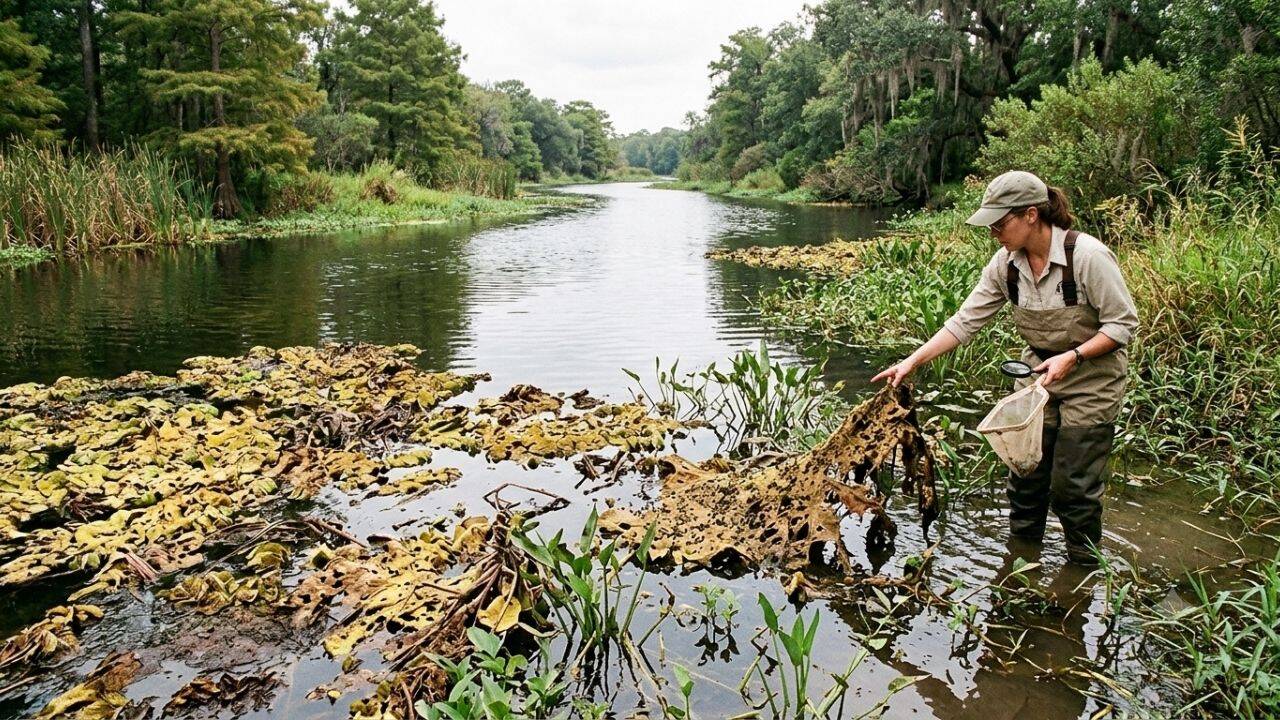
In a unique approach to combating invasive species, Texas released 880 tiny weevils in 2001 to fight its worst weed. The weevils, which are natural enemies of the weed, were introduced as a form of biological control.
The target of the weevils was a particularly problematic weed that had been causing significant issues in Texas. By releasing the weevils, authorities hoped to reduce the weed's spread and mitigate its negative impacts.
The use of biological control methods, such as introducing natural predators or competitors, is a common strategy for managing invasive species. This approach can be more environmentally friendly and cost-effective than traditional methods, such as herbicides or mechanical removal.
In the case of the Texas weed, the introduction of the weevils was seen as a promising solution. The weevils were expected to feed on the weed, reducing its growth and spread.
The release of the weevils was a deliberate effort to harness the power of natural ecosystems to combat invasive species. By leveraging the natural relationships between species, authorities aimed to create a more balanced and sustainable environment.
The success of the weevil release in Texas has implications for the management of invasive species in other regions. As the world grapples with the challenges of invasive species, biological control methods like the one used in Texas may become increasingly important.
In conclusion, the release of 880 tiny weevils in Texas in 2001 was a innovative approach to fighting the state's worst weed. The use of biological control methods highlights the importance of considering natural ecosystems and the relationships between species in the management of invasive species.
Frequently asked questions
What were the weevils released for in Texas?
The weevils were released to fight Texas's worst weed.
How many weevils were released in Texas?
880 tiny weevils were released in 2001.