Nepal Buries 229 Unidentified Flood Victims
Nepal buries unidentified bodies, collects DNA samples for future identification. Hundreds dead, thousands missing after flash floods.
'%3E%3Crect%20width%3D'96'%20height%3D'96'%20fill%3D'%231B5E20'%2F%3E%3Ccircle%20cx%3D'30'%20cy%3D'24'%20r%3D'44'%20fill%3D'%23fff'%20opacity%3D'.12'%2F%3E%3Ccircle%20cx%3D'60'%20cy%3D'74'%20r%3D'40'%20fill%3D'%23000'%20opacity%3D'.10'%2F%3E%3C%2Fg%3E%3Cg%3E%3Ccircle%20cx%3D'48'%20cy%3D'48'%20r%3D'15'%20fill%3D'%23fff'%2F%3E%3Cpath%20d%3D'M43%2034%20Q50%2048%2043%2062'%20fill%3D'none'%20stroke%3D'%238a94a6'%20stroke-width%3D'2.4'%2F%3E%3Cpath%20d%3D'M47%2033%20Q54%2048%2047%2063'%20fill%3D'none'%20stroke%3D'%238a94a6'%20stroke-width%3D'1.8'%20stroke-dasharray%3D'1.5%203'%2F%3E%3C%2Fg%3E%3C%2Fsvg%3E)
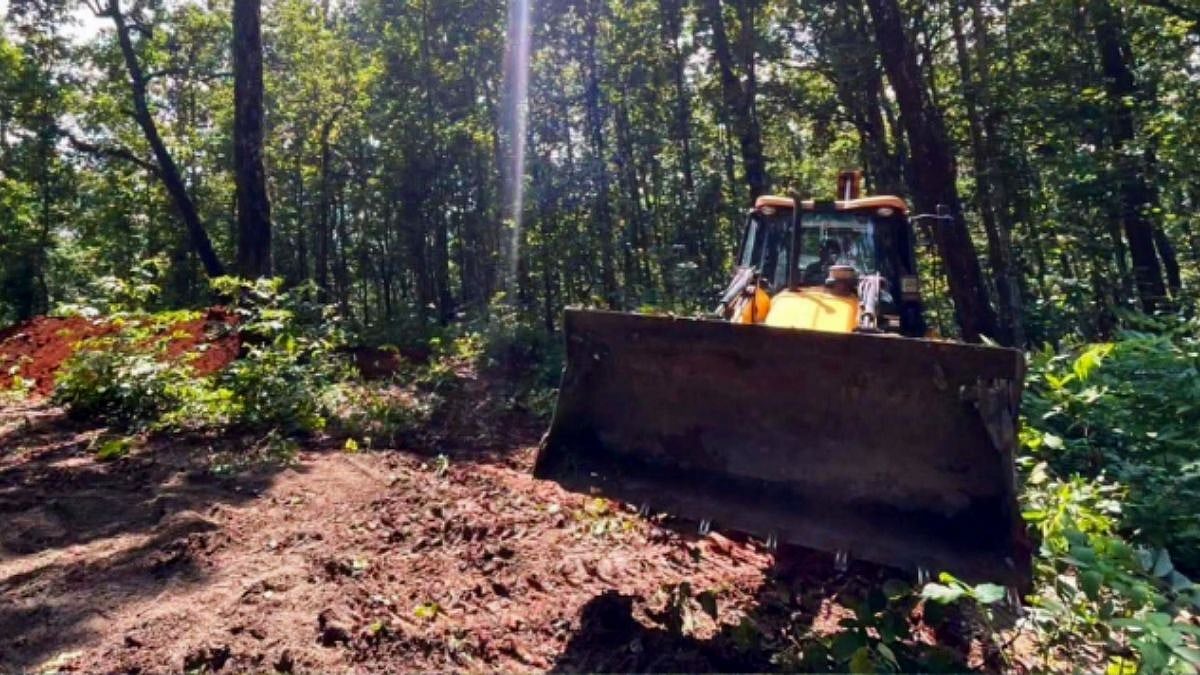
A devastating flash flood in Nepal has resulted in the deaths of hundreds of people, with thousands still missing. In the aftermath of the disaster, authorities in Chitwan have begun burying unidentified bodies recovered from the Trishuli and Narayani riverbanks.
The decision to bury the bodies was made due to a shortage of space in morgues. However, before burial, DNA samples are being collected from each body, and identification records are being prepared. This will allow authorities to retrieve and hand over the bodies to families if a match is established later.
According to a Nepali official, the procedure is being carried out in accordance with international guidelines. The official stated that the burial process would preserve the identity of each body. The bodies are being placed separately in trenches, with identification tags attached to a remaining limb. Each body is assigned a unique code, which is also displayed on a marker above the burial site.
As of now, 229 unidentified and unclaimed bodies have been buried in Devghat, which were recovered from the Narayani and Trishuli riverbanks. Out of 233 bodies recovered in Chitwan, only four have been identified so far. The authorities have collected DNA samples from all the unidentified dead bodies and are documenting the burial process through photographs and video recordings.
Families of missing persons can provide DNA samples at their respective district hospitals, which will then be compared with samples collected from the deceased. The site where the bodies are being buried is being fenced and secured, and the precise location of the graves is being mapped using GPS coordinates.
The flash floods have caused widespread destruction in Nepal, and the authorities are working to provide aid and support to those affected. The burial of unidentified bodies is a difficult but necessary step in the aftermath of the disaster.
The international community has been providing support and assistance to Nepal in the wake of the disaster. The Nepali government has been working to provide relief and aid to those affected, and the burial of unidentified bodies is an important part of this process.
In conclusion, the burial of unidentified bodies in Nepal is a tragic but necessary step in the aftermath of the flash floods. The authorities are working to preserve the identity of each body and provide support to families of missing persons.
The situation in Nepal is still dire, and the authorities are working to provide aid and support to those affected. The burial of unidentified bodies is an important part of this process, and the international community is providing support and assistance to Nepal in this difficult time.
The Nepali government has been working tirelessly to provide relief and aid to those affected by the flash floods. The burial of unidentified bodies is a difficult but necessary step in the aftermath of the disaster, and the authorities are working to preserve the identity of each body and provide support to families of missing persons.
The flash floods in Nepal have caused widespread destruction and loss of life, and the authorities are working to provide aid and support to those affected. The burial of unidentified bodies is an important part of this process, and the international community is providing support and assistance to Nepal in this difficult time.
Frequently asked questions
How many unidentified bodies have been buried in Nepal?
229 unidentified and unclaimed bodies have been buried in Devghat, which were recovered from the Narayani and Trishuli riverbanks.
What is being done to identify the bodies?
DNA samples are being collected from each body, and identification records are being prepared. Families of missing persons can provide DNA samples at their respective district hospitals, which will then be compared with samples collected from the deceased.