CJP Criticises Centre's Anti-Paper Leak Law
CJP spokesperson Ashutosh Ranka slams Centre's approach, seeks reforms to prevent exam leaks. He argues that the amended law focuses on punitive measures rather than prevention.
'%3E%3Crect%20width%3D'96'%20height%3D'96'%20fill%3D'%231A5276'%2F%3E%3Ccircle%20cx%3D'30'%20cy%3D'24'%20r%3D'44'%20fill%3D'%23fff'%20opacity%3D'.12'%2F%3E%3Ccircle%20cx%3D'60'%20cy%3D'74'%20r%3D'40'%20fill%3D'%23000'%20opacity%3D'.10'%2F%3E%3C%2Fg%3E%3Cg%20fill%3D'%23fff'%3E%3Cpath%20d%3D'M31%2041%20L48%2031%20L65%2041%20Z'%2F%3E%3Crect%20x%3D'33'%20y%3D'43'%20width%3D'4'%20height%3D'17'%2F%3E%3Crect%20x%3D'41'%20y%3D'43'%20width%3D'4'%20height%3D'17'%2F%3E%3Crect%20x%3D'51'%20y%3D'43'%20width%3D'4'%20height%3D'17'%2F%3E%3Crect%20x%3D'59'%20y%3D'43'%20width%3D'4'%20height%3D'17'%2F%3E%3Crect%20x%3D'30'%20y%3D'62'%20width%3D'36'%20height%3D'4'%20rx%3D'1'%2F%3E%3C%2Fg%3E%3C%2Fsvg%3E)

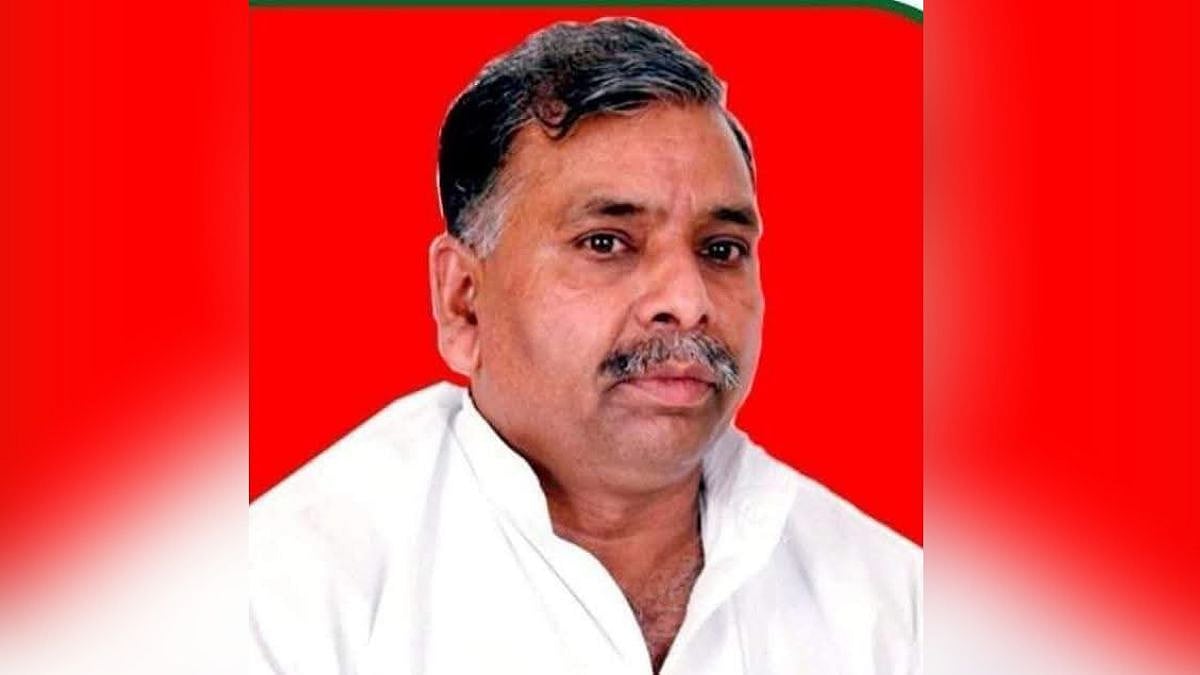
Ashutosh Ranka, national spokesperson of the Cockroach Janta Party (CJP), has criticised the Centre's approach to tackling paper leaks. On July 29, Ranka argued that the recently amended anti-paper leak legislation focuses only on punitive measures after a leak occurs, rather than preventing such incidents.
Ranka stated that the amended bill failed to address the systemic reforms needed to ensure the integrity of public examinations. He emphasized that the government has not talked about what it is doing to stop paper leaks, but rather only about what happens after a leak occurs.
The CJP spokesperson called for comprehensive reforms in the examination system, including changes to the functioning of the National Testing Agency (NTA) and greater transparency in recruitment examinations. He also suggested stricter oversight of agencies involved in conducting tests.
Ranka proposed several reforms, including making the Staff Selection Commission (SSC) a statutory body, ensuring transparency in examination schedules, calendars, and syllabi, regulating coaching centres, and improving the monitoring of vendors associated with the examination process. He also stressed the need to prevent blacklisted vendors from re-entering the system and advocated for both physical and digital audits of the examination process.
Ranka argued that the examination ecosystem requires an end-to-end review to strengthen its infrastructure and prevent recurring leaks. He urged the government to adopt a consultative approach and refer to his party's five-point demand charter, which calls for discussions with students, academicians, and cyber experts before implementing further changes.
The CJP spokesperson emphasized that the government should not take hasty decisions, as this is a question of the future of the country's children. He reiterated that the problem of paper leaks will not be solved until the government addresses the systemic issues and implements comprehensive reforms.
The issue of paper leaks has been a persistent problem in India, with several high-profile cases in recent years. The government has faced criticism for its handling of the issue, with many arguing that it has not done enough to prevent leaks and ensure the integrity of public examinations.
The CJP's call for reforms is likely to resonate with many who are concerned about the issue of paper leaks and the need for comprehensive reforms to prevent them. The government will need to carefully consider the CJP's proposals and work towards implementing effective solutions to address the problem.
In conclusion, the CJP's criticism of the Centre's anti-paper leak law highlights the need for comprehensive reforms to prevent exam leaks. The government must take a proactive approach to addressing the systemic issues that contribute to paper leaks and work towards implementing effective solutions to ensure the integrity of public examinations.
Frequently asked questions
What is the CJP's criticism of the Centre's anti-paper leak law?
The CJP argues that the law focuses only on punitive measures after a leak occurs, rather than preventing such incidents.
What reforms has the CJP proposed to prevent exam leaks?
The CJP has proposed comprehensive reforms, including changes to the NTA, greater transparency in recruitment examinations, and stricter oversight of agencies involved in conducting tests.