Pakistan Creates Rocket Force Command After India's Operation Sindoor Success
Pakistan has established a new Army Rocket Force Command following its conflict with India, signaling a shift towards long-range missile capabilities. The move comes after India's S-400 air defense systems successfully countered Pakistani attacks during Operation Sindoor.

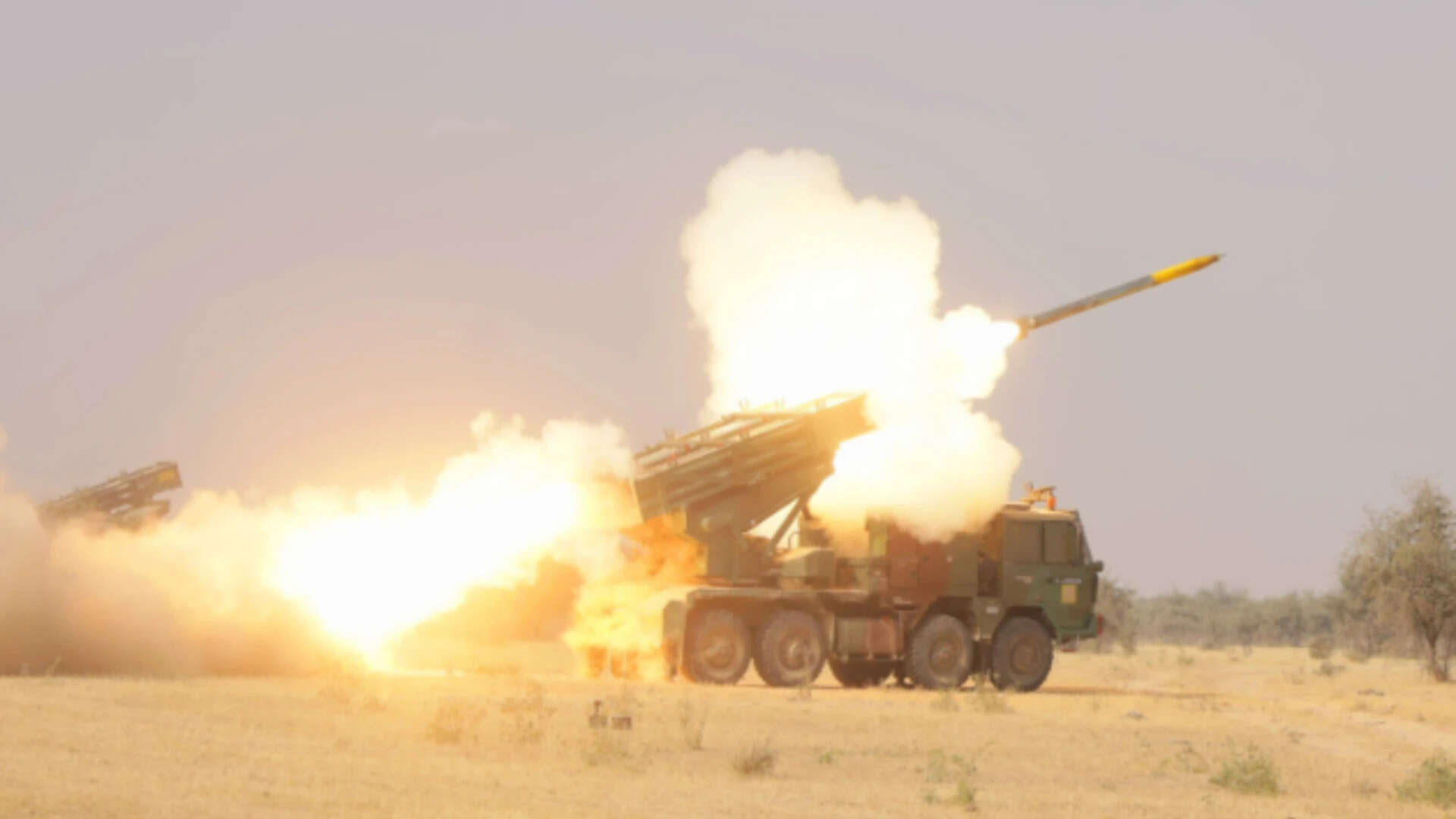
Pakistan has launched a significant military restructuring by establishing the Army Rocket Force Command, a strategic response to India's demonstrated air defense capabilities during Operation Sindoor. The new command structure reflects Islamabad's determination to strengthen its conventional strike capabilities and develop asymmetrical responses to India's military posture.
The Pakistani military's decision to create this specialized force represents a fundamental shift in how the country plans to conduct future conflicts. Officials within Pakistan's defense establishment view the command as essential to countering what they perceive as India's below-threshold military responses. This organizational change signals Pakistan's intent to modernize its conventional arsenal with an emphasis on rocket and missile systems that can operate at greater distances, reducing vulnerability to traditional air defense mechanisms.
During Operation Sindoor, India's air defense infrastructure, particularly the advanced S-400 air defense system, proved highly effective in neutralizing Pakistani aerial threats. The success of these defensive systems demonstrated clear technological gaps in Pakistan's offensive capabilities. This disparity prompted Pakistani military planners to reassess their conventional warfare strategies and accelerate procurement plans for longer-range strike systems. The establishment of a dedicated rocket force command mirrors similar organizational structures developed by other regional powers, particularly China, which operates an independent strategic rocket force.
Both India and Pakistan are now fundamentally reassessing their military strategies in light of these developments. The shift towards non-contact warfare—where nations employ long-range weapons to strike targets while minimizing direct engagement—represents the emerging doctrine for South Asian militaries. For Indian residents and the broader nation, this development underscores the ongoing security challenge posed by Pakistan's military modernization and the importance of sustained defense investments.
Military analysts suggest this Pakistani restructuring will likely influence regional defense spending and procurement timelines for both nations. India's defense establishment will presumably continue evaluating advanced air defense systems and counter-missile technologies to maintain strategic superiority. The establishment of Pakistan's rocket force command marks another step in the ongoing arms competition across South Asia, with potential implications for regional stability and defense budgets for years to come.