India, New Zealand Upgrade Ties To Strategic Partnership
India and New Zealand elevate bilateral relationship, set ₹35,000 crore trade target by 2030

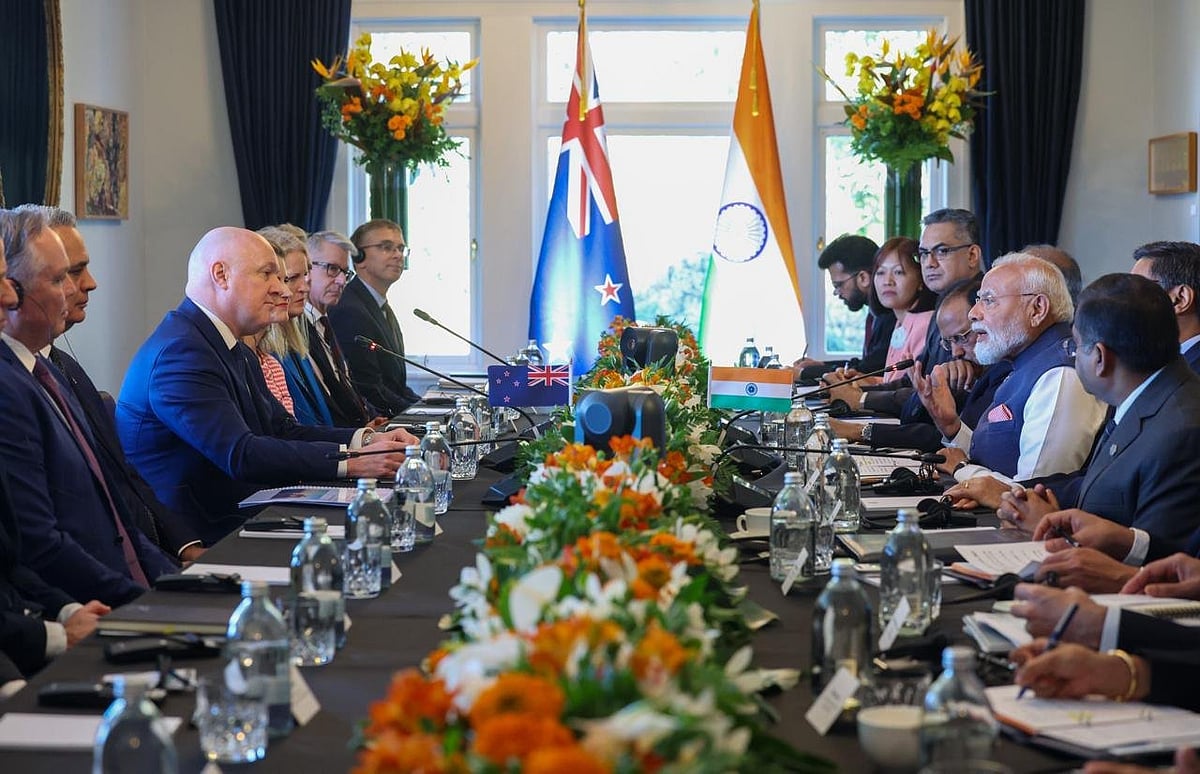
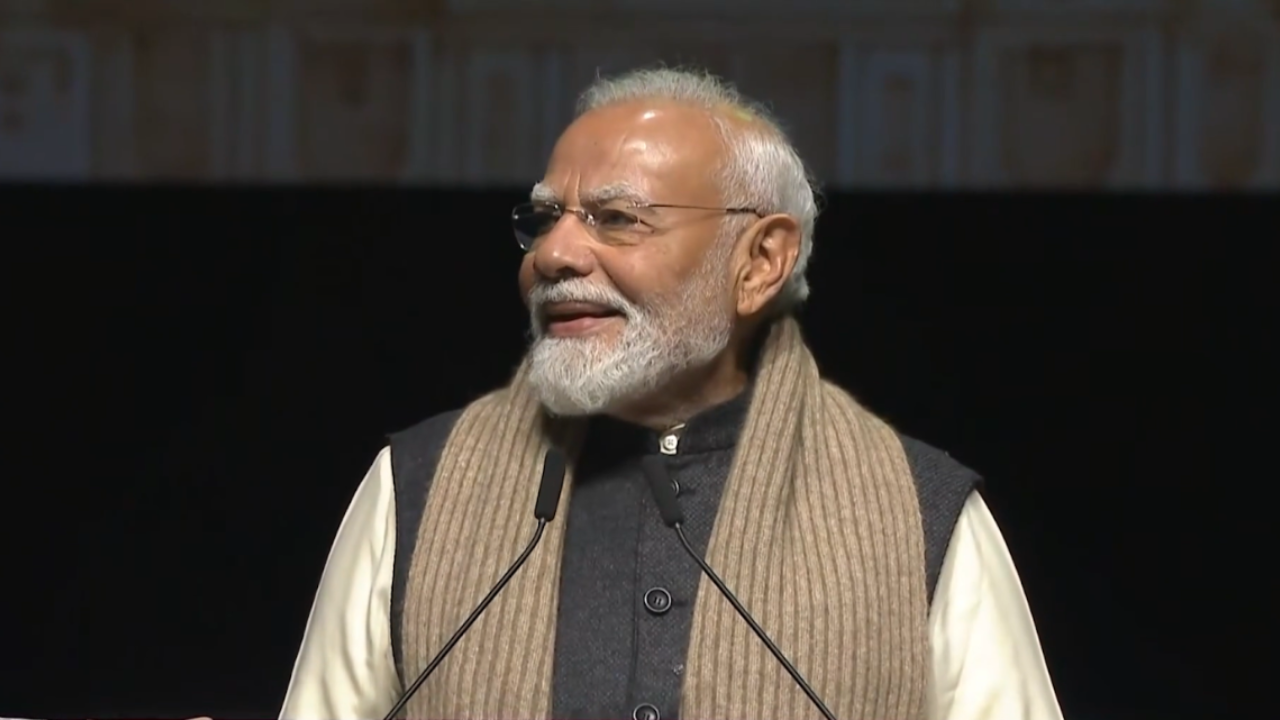
India and New Zealand have taken a significant step forward in their bilateral relationship by elevating it to a Strategic Partnership. This development came during Prime Minister Narendra Modi's two-day official visit to New Zealand from July 10-11, which marked the first trip by an Indian Prime Minister to the country in four decades.
The Strategic Partnership is based on the 'India-New Zealand Strategic Partnership: Roadmap to 2030', which aims to expand cooperation across key sectors including trade, agriculture, security, innovation, and people-to-people exchanges. Prime Minister Modi and New Zealand Prime Minister Christopher Luxon agreed to upgrade ties and endorsed the roadmap as a framework to guide cooperation over the next four years.
The two leaders have set an ambitious target of doubling two-way trade in goods and services to NZ$7 billion, equivalent to around ₹35,000 crore, by 2030. They encouraged businesses to expand partnerships, explore new opportunities, and leverage complementarities between their economies. The conclusion and signing of the India-New Zealand Free Trade Agreement (FTA) were also welcomed, with the leaders describing it as a balanced and mutually beneficial pact.
The FTA is expected to strengthen economic ties through the removal of trade barriers, increased cooperation, and greater investment flows from New Zealand into India. The two sides agreed to work towards its early implementation. New Zealand was also identified as a potential partner in supporting India's goal of becoming a developed nation by 2047, with areas of cooperation including agriculture, skills development, innovation, clean energy, sports, and other emerging sectors.
Beyond economic engagement, India and New Zealand reaffirmed their commitment to strengthening security cooperation. The two countries jointly condemned terrorism in all its forms and manifestations, including cross-border terrorism. The Strategic Partnership is expected to provide a broader framework for collaboration and deepen cooperation between the two nations across multiple domains.
The roadmap reflects both countries' intent to build a more comprehensive relationship driven by economic growth, strategic coordination, and people-to-people exchanges. The partnership is seen as a significant step forward in India's 'Act East' policy, which aims to strengthen ties with countries in the Asia-Pacific region.
The India-New Zealand Strategic Partnership is expected to have a positive impact on bilateral trade and investment, as well as on regional security and stability. The partnership is also seen as a reflection of the growing importance of the Indo-Pacific region in global affairs.
In the coming years, India and New Zealand are expected to work closely together to implement the roadmap and achieve the targets set out in the Strategic Partnership. This includes increasing trade and investment, strengthening security cooperation, and promoting people-to-people exchanges.
The elevation of India-New Zealand ties to a Strategic Partnership is a significant development that is expected to have far-reaching implications for bilateral relations and regional stability. As the two countries work together to implement the roadmap, they are likely to face opportunities and challenges that will require close cooperation and coordination.
In conclusion, the India-New Zealand Strategic Partnership is a significant step forward in bilateral relations and reflects the growing importance of the Indo-Pacific region in global affairs. The partnership is expected to have a positive impact on trade, investment, security, and people-to-people exchanges, and is seen as a key component of India's 'Act East' policy.