Intel Ex-CEO Blames Past Decisions For Downfall
Intel's former CEO Pat Gelsinger shares his thoughts on the company's decline. He believes it started years before his return in 2021.
'%3E%3Crect%20width%3D'96'%20height%3D'96'%20fill%3D'%23B3261E'%2F%3E%3Ccircle%20cx%3D'30'%20cy%3D'24'%20r%3D'44'%20fill%3D'%23fff'%20opacity%3D'.12'%2F%3E%3Ccircle%20cx%3D'60'%20cy%3D'74'%20r%3D'40'%20fill%3D'%23000'%20opacity%3D'.10'%2F%3E%3C%2Fg%3E%3Cg%20fill%3D'%23fff'%3E%3Crect%20x%3D'29'%20y%3D'49'%20width%3D'8'%20height%3D'19'%20rx%3D'1'%2F%3E%3Crect%20x%3D'39'%20y%3D'40'%20width%3D'9'%20height%3D'28'%20rx%3D'1'%2F%3E%3Crect%20x%3D'50'%20y%3D'45'%20width%3D'8'%20height%3D'23'%20rx%3D'1'%2F%3E%3Crect%20x%3D'60'%20y%3D'53'%20width%3D'7'%20height%3D'15'%20rx%3D'1'%2F%3E%3Crect%20x%3D'41'%20y%3D'34'%20width%3D'5'%20height%3D'6'%2F%3E%3C%2Fg%3E%3C%2Fsvg%3E)
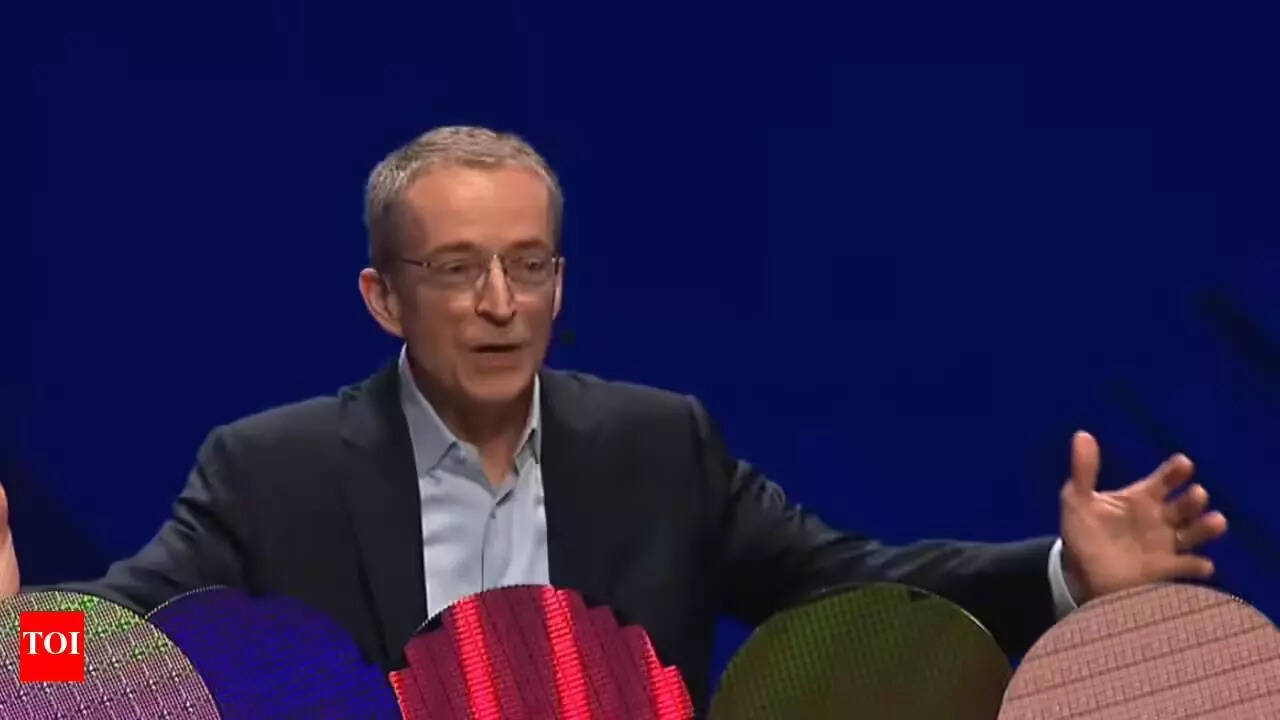
Intel's former CEO Pat Gelsinger has shared his perspective on the company's decline, stating that it began years before his return to the company in 2021. According to Gelsinger, the downfall can be attributed to major technical decisions being driven solely by financial analysis, rather than a balance of technical expertise and financial considerations.
Gelsinger emphasized that previous leadership teams lacked the necessary technical background to navigate crucial industry transitions. This lack of technical expertise led to decisions that prioritized short-term financial gains over long-term investments in the company's future. As a result, Intel returned significant funds to shareholders while neglecting essential investments in research and development, manufacturing, and other critical areas.
The former CEO also highlighted the geopolitical risks that are impacting global semiconductor manufacturing operations. The industry is facing increasing uncertainty and disruption due to trade tensions, supply chain disruptions, and other geopolitical factors. Gelsinger's comments suggest that Intel's decline is not just a result of internal factors, but also a reflection of the broader challenges facing the semiconductor industry.
Intel's decline has been a subject of interest in the tech industry, with many analysts and experts weighing in on the company's struggles. Gelsinger's comments provide valuable insight into the company's internal dynamics and decision-making processes. His emphasis on the importance of technical expertise in leadership teams is particularly noteworthy, as it highlights the need for companies to balance financial considerations with technical expertise.
The semiconductor industry is a critical component of the global tech ecosystem, and Intel's decline has significant implications for the industry as a whole. The company's struggles have created opportunities for other players, such as AMD and NVIDIA, to gain market share and influence. As the industry continues to evolve, it will be interesting to see how Intel and other companies navigate the challenges and opportunities that lie ahead.
In the context of the global tech industry, Intel's decline is a reminder of the importance of investing in research and development, manufacturing, and other critical areas. Companies that prioritize short-term financial gains over long-term investments in their future may be putting themselves at risk of decline. Gelsinger's comments serve as a cautionary tale for companies in the tech industry, highlighting the need for a balanced approach to decision-making that takes into account both financial and technical considerations.
The implications of Intel's decline are far-reaching, with potential impacts on the global economy, trade, and technological innovation. As the company continues to navigate its challenges, it will be important to watch how it responds to the changing landscape of the semiconductor industry. Gelsinger's comments provide a unique perspective on the company's decline, and his emphasis on the importance of technical expertise in leadership teams is a valuable lesson for companies in the tech industry.
In conclusion, Intel's decline is a complex issue with multiple factors contributing to its downfall. Gelsinger's comments provide valuable insight into the company's internal dynamics and decision-making processes, highlighting the importance of balancing financial considerations with technical expertise. As the tech industry continues to evolve, it will be interesting to see how Intel and other companies navigate the challenges and opportunities that lie ahead.
What this means for the industry is that companies must prioritize investments in research and development, manufacturing, and other critical areas to remain competitive. The decline of Intel serves as a reminder of the importance of a balanced approach to decision-making, taking into account both financial and technical considerations. As the global tech ecosystem continues to evolve, it will be important to watch how companies respond to the changing landscape and navigate the challenges and opportunities that lie ahead.