US Adopts Low-Key Iran Strategy
US employs economic pressure and diplomacy, avoids military escalation
'%3E%3Crect%20width%3D'96'%20height%3D'96'%20fill%3D'%234A235A'%2F%3E%3Ccircle%20cx%3D'30'%20cy%3D'24'%20r%3D'44'%20fill%3D'%23fff'%20opacity%3D'.12'%2F%3E%3Ccircle%20cx%3D'60'%20cy%3D'74'%20r%3D'40'%20fill%3D'%23000'%20opacity%3D'.10'%2F%3E%3C%2Fg%3E%3Cg%20fill%3D'none'%20stroke%3D'%23fff'%20stroke-width%3D'3'%3E%3Ccircle%20cx%3D'48'%20cy%3D'48'%20r%3D'16'%2F%3E%3Cellipse%20cx%3D'48'%20cy%3D'48'%20rx%3D'6.5'%20ry%3D'16'%2F%3E%3Cline%20x1%3D'32'%20y1%3D'42'%20x2%3D'64'%20y2%3D'42'%2F%3E%3Cline%20x1%3D'32'%20y1%3D'54'%20x2%3D'64'%20y2%3D'54'%2F%3E%3C%2Fg%3E%3C%2Fsvg%3E)
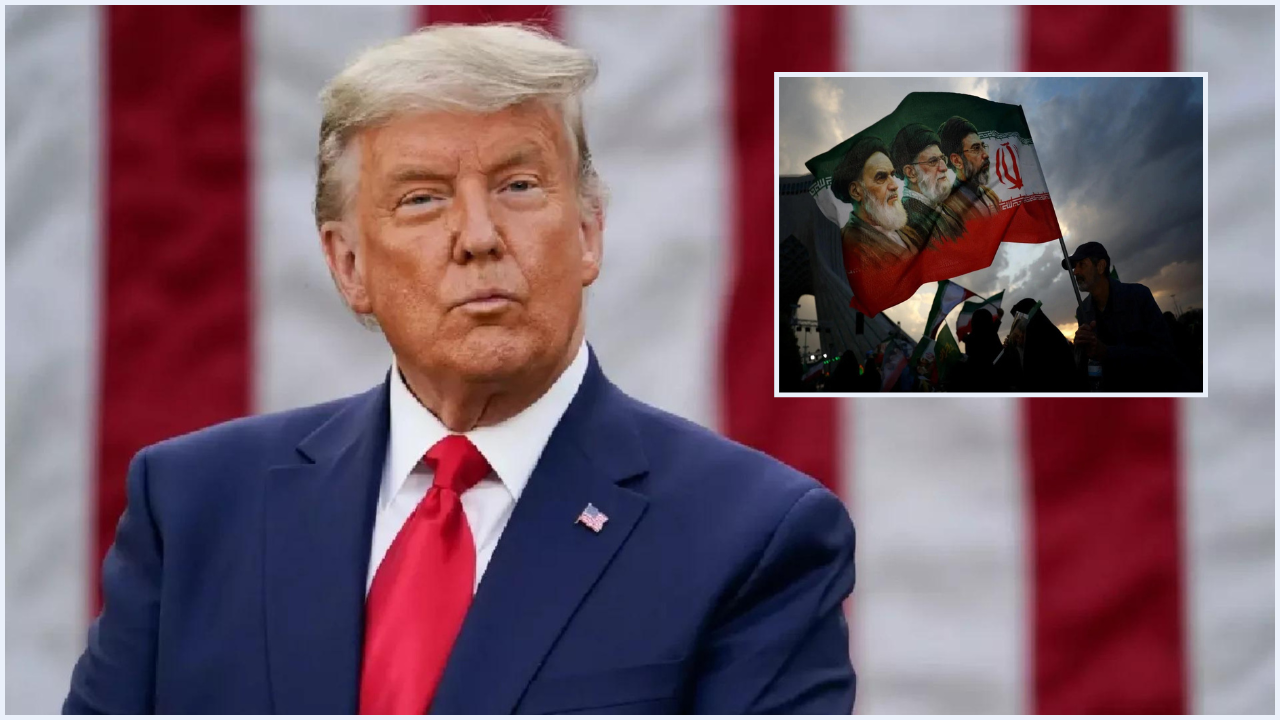
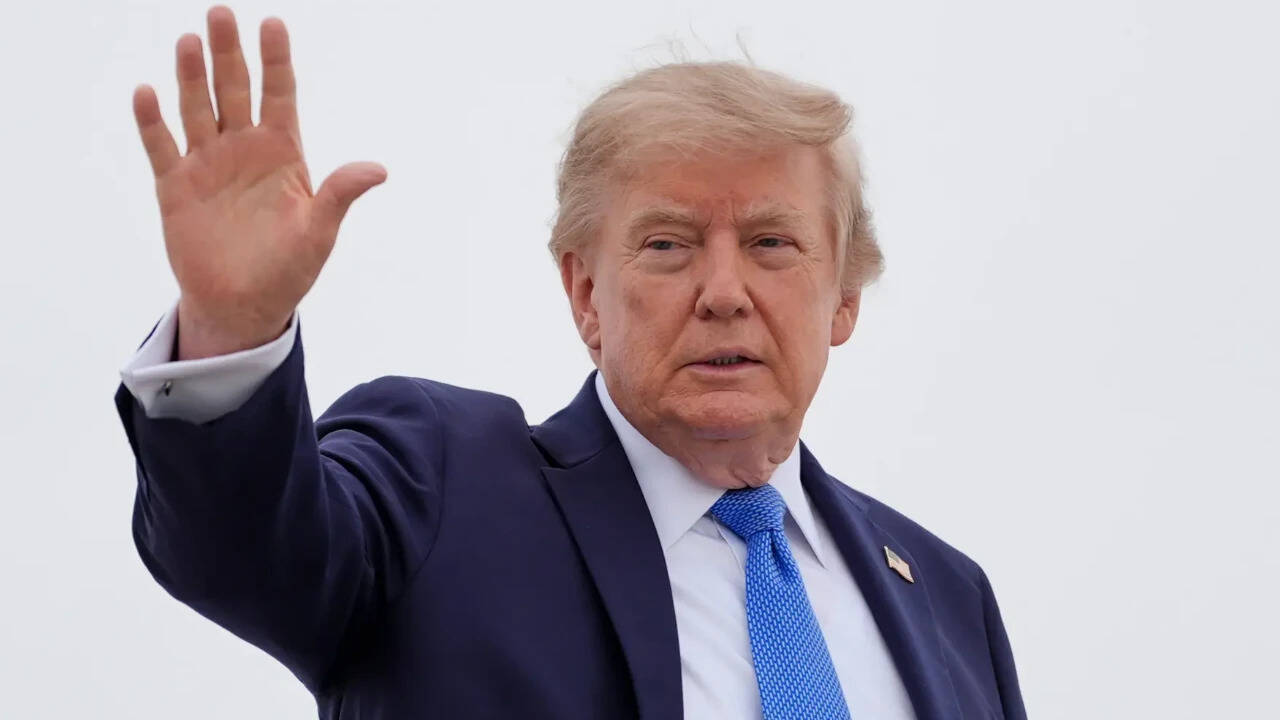
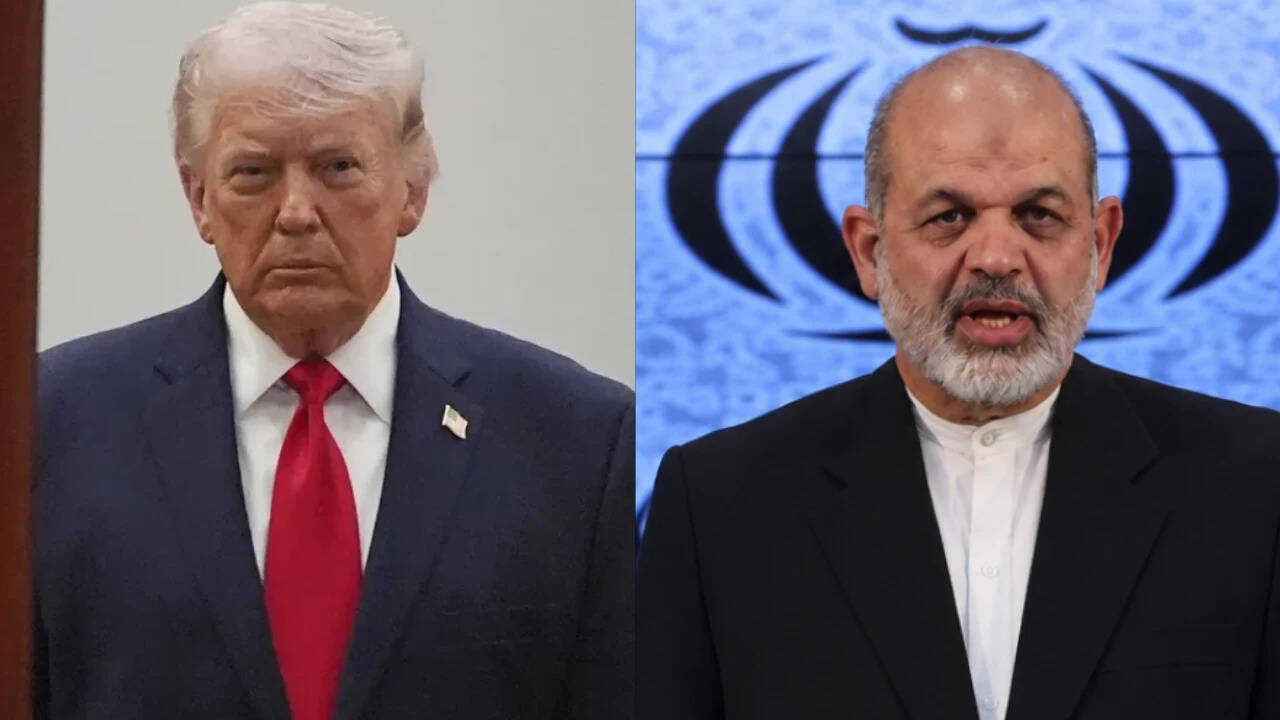
The United States has adopted a low-key strategy in its dealings with Iran, following the expiration of a deadline. This approach focuses on utilizing economic pressure and diplomacy as primary tools to influence Tehran. The US is maintaining its sanctions and naval blockade against Iran, in an effort to avoid immediate military escalation while seeking concessions from the Iranian government.
The decision to employ a low-key strategy suggests that the US is seeking to avoid further conflict with Iran, at least for the time being. Instead, the US is relying on economic pressure and diplomatic efforts to try to bring Iran to the negotiating table. This approach is likely to be seen as a more measured and cautious approach than some of the more aggressive rhetoric that has been used in the past.
The use of economic pressure as a tool is not new, and the US has been maintaining sanctions against Iran for some time. However, the decision to combine this with a naval blockade and diplomatic efforts suggests that the US is seeking to increase the pressure on Iran while also keeping the door open for negotiations. Backchannel communications between the two sides are continuing, as both the US and Iran assess their leverage and consider their next moves.
The low-key strategy being employed by the US is likely to be seen as a significant shift in approach, given the more aggressive rhetoric that has been used in the past. The fact that the US is seeking to avoid immediate military escalation suggests that there is a recognition of the potential risks and consequences of such an approach. Instead, the US is seeking to use a more nuanced and multifaceted approach to try to achieve its goals.
The situation with Iran is complex and multifaceted, and it is difficult to predict exactly how events will unfold. However, the adoption of a low-key strategy by the US suggests that there is a desire to avoid further conflict and to seek a more diplomatic solution. This approach is likely to be watched closely by other countries in the region, as well as by the international community more broadly.
In terms of the broader context, the US-Iran relationship has been tense for some time, with disagreements over a range of issues including nuclear proliferation and regional security. The expiration of the deadline has added to the tensions, and it remains to be seen how events will unfold in the coming days and weeks. However, the adoption of a low-key strategy by the US suggests that there is a desire to avoid further escalation and to seek a more peaceful resolution.
The significance of this development for the international community is that it suggests a potential shift in approach by the US, away from more aggressive rhetoric and towards a more nuanced and diplomatic approach. This could have implications for the broader region, as well as for the global economy and international security. As events continue to unfold, it will be important to watch closely how the US-Iran relationship develops, and how the international community responds to any further developments.
In conclusion, the US has adopted a low-key strategy in its dealings with Iran, focusing on economic pressure and diplomacy. This approach aims to avoid immediate military escalation while seeking concessions from the Iranian government. The situation is complex and multifaceted, and it remains to be seen how events will unfold. However, the adoption of a low-key strategy suggests that there is a desire to avoid further conflict and to seek a more diplomatic solution.
Frequently asked questions
What is the US strategy towards Iran?
The US is employing a low-key strategy, using economic pressure and diplomacy to influence Tehran.
Why is the US avoiding military escalation?
The US is seeking to avoid immediate military escalation while seeking concessions from the Iranian government, in an effort to avoid further conflict.