OpenAI CFO Advises Firms on AI Investments
OpenAI's CFO Sarah Friar offers new metric, focus on useful intelligence and real outcomes.
'%3E%3Crect%20width%3D'96'%20height%3D'96'%20fill%3D'%23B3261E'%2F%3E%3Ccircle%20cx%3D'30'%20cy%3D'24'%20r%3D'44'%20fill%3D'%23fff'%20opacity%3D'.12'%2F%3E%3Ccircle%20cx%3D'60'%20cy%3D'74'%20r%3D'40'%20fill%3D'%23000'%20opacity%3D'.10'%2F%3E%3C%2Fg%3E%3Cg%20fill%3D'%23fff'%3E%3Crect%20x%3D'29'%20y%3D'49'%20width%3D'8'%20height%3D'19'%20rx%3D'1'%2F%3E%3Crect%20x%3D'39'%20y%3D'40'%20width%3D'9'%20height%3D'28'%20rx%3D'1'%2F%3E%3Crect%20x%3D'50'%20y%3D'45'%20width%3D'8'%20height%3D'23'%20rx%3D'1'%2F%3E%3Crect%20x%3D'60'%20y%3D'53'%20width%3D'7'%20height%3D'15'%20rx%3D'1'%2F%3E%3Crect%20x%3D'41'%20y%3D'34'%20width%3D'5'%20height%3D'6'%2F%3E%3C%2Fg%3E%3C%2Fsvg%3E)
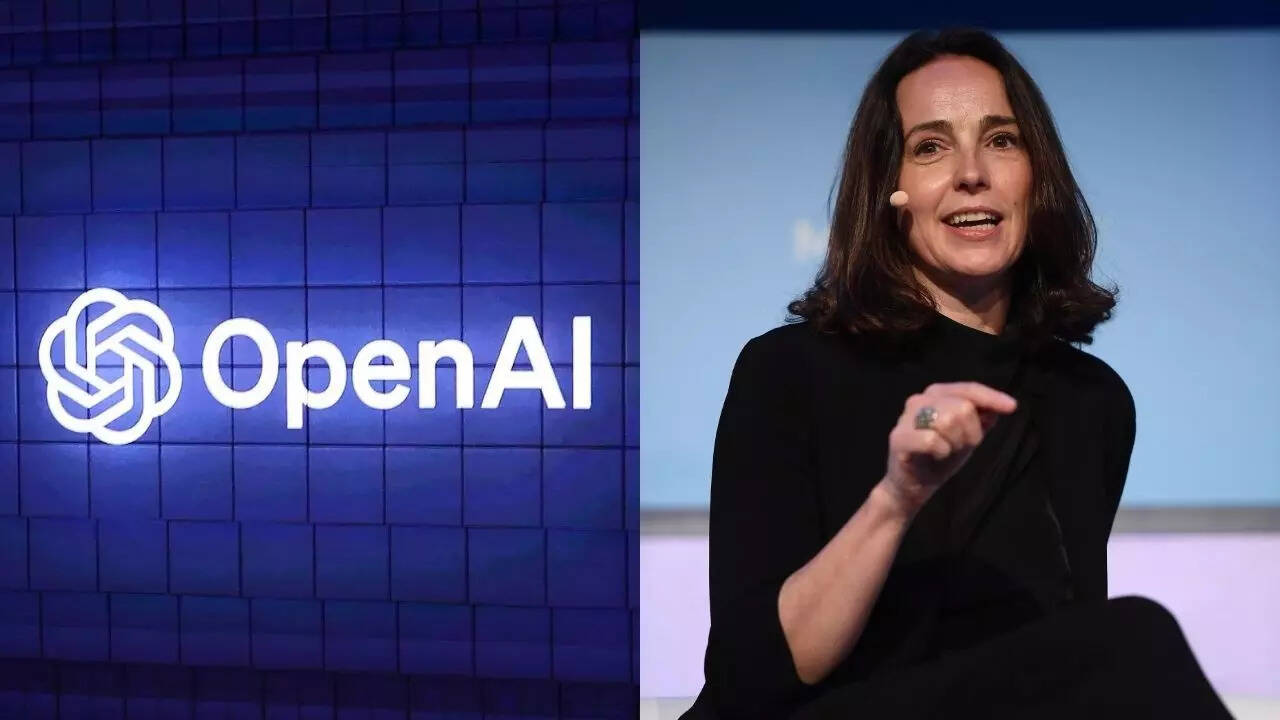
OpenAI's Chief Financial Officer, Sarah Friar, has advised companies questioning the return on their AI investments to adopt a more thoughtful approach. According to Friar, firms should not rush to adopt cheap AI models, but instead focus on the useful intelligence generated per dollar spent.
Friar suggests that businesses track the real outcomes of their AI investments, as well as the complete cost of AI tasks. This includes considering the accuracy and growing value of AI over time. By using this framework, companies can better understand the value of their AI investments and address concerns about returns.
The advice comes as many companies are investing heavily in AI, but struggling to see a clear return on investment. Friar's proposed metric provides a new way for businesses to think about AI value, one that prioritizes useful intelligence and real outcomes over simple cost savings.
In recent years, AI has become a major focus for many companies, with investments in the technology increasing rapidly. However, as the market has become more saturated, companies are beginning to question the value of their AI investments. Friar's comments suggest that OpenAI is aware of these concerns and is working to provide a more nuanced understanding of AI value.
The proposed metric is likely to be of interest to companies in a variety of industries, from finance to healthcare. By focusing on useful intelligence and real outcomes, businesses can begin to see the true value of their AI investments and make more informed decisions about where to allocate their resources.
Friar's comments also highlight the importance of considering the complete cost of AI tasks. This includes not just the initial investment, but also the ongoing costs of maintaining and updating AI systems. By taking a more holistic approach to AI investment, companies can avoid common pitfalls and ensure that they are getting the most value from their investments.
In the end, Friar's advice suggests that companies should take a more thoughtful and nuanced approach to AI investment. Rather than rushing to adopt cheap AI models, businesses should focus on generating useful intelligence and tracking real outcomes. By doing so, they can unlock the true value of AI and drive meaningful growth and innovation.
The significance of Friar's comments extends beyond the business world, as AI continues to play an increasingly important role in our daily lives. As AI technology advances, it is likely that we will see even more companies investing in the technology. By providing a clear and nuanced understanding of AI value, Friar's proposed metric can help to ensure that these investments are made wisely and with a clear eye towards the future.
In conclusion, OpenAI's CFO Sarah Friar has offered a timely and important reminder to companies investing in AI. By focusing on useful intelligence, real outcomes, and the complete cost of AI tasks, businesses can unlock the true value of AI and drive meaningful growth and innovation. As AI continues to shape our world, it is likely that Friar's comments will be seen as a key moment in the evolution of the technology.