Monsoon Vegetables to Avoid in Mumbai
Some veggies pose health risks during monsoon. Find out which ones to avoid.
'%3E%3Crect%20width%3D'96'%20height%3D'96'%20fill%3D'%23B3261E'%2F%3E%3Ccircle%20cx%3D'30'%20cy%3D'24'%20r%3D'44'%20fill%3D'%23fff'%20opacity%3D'.12'%2F%3E%3Ccircle%20cx%3D'60'%20cy%3D'74'%20r%3D'40'%20fill%3D'%23000'%20opacity%3D'.10'%2F%3E%3C%2Fg%3E%3Cg%20fill%3D'%23fff'%3E%3Crect%20x%3D'29'%20y%3D'49'%20width%3D'8'%20height%3D'19'%20rx%3D'1'%2F%3E%3Crect%20x%3D'39'%20y%3D'40'%20width%3D'9'%20height%3D'28'%20rx%3D'1'%2F%3E%3Crect%20x%3D'50'%20y%3D'45'%20width%3D'8'%20height%3D'23'%20rx%3D'1'%2F%3E%3Crect%20x%3D'60'%20y%3D'53'%20width%3D'7'%20height%3D'15'%20rx%3D'1'%2F%3E%3Crect%20x%3D'41'%20y%3D'34'%20width%3D'5'%20height%3D'6'%2F%3E%3C%2Fg%3E%3C%2Fsvg%3E)
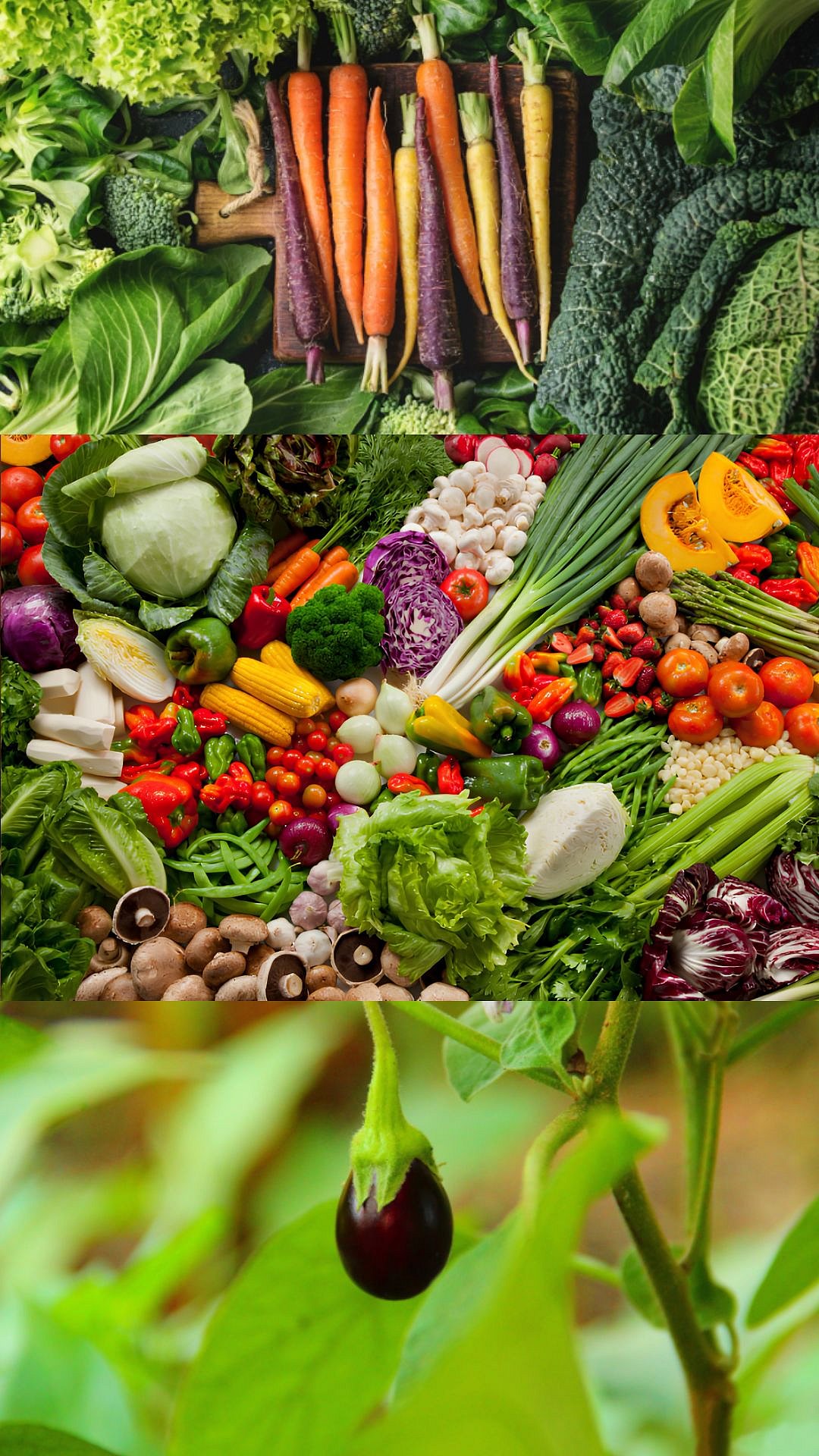
During the monsoon season, the high humidity and moist soil in Mumbai facilitate the rapid growth of germs, bacteria, and fungi, making certain vegetables more susceptible to contamination.
It is best to avoid consuming leafy greens like spinach and other similar vegetables during this time.
One such vegetable to avoid is Chaulai, also known as Amaranth or Rajgira/Ramdana. Although it is nutrient-rich, the rapid growth of insect larvae on its leaves during the monsoon season raises the risk of stomach infections and food poisoning.
Mushrooms are another vegetable that should be avoided during the rainy season. The moist and humid conditions lead to rapid spoilage, mold growth, and the retention of harmful bacteria from the ground.
Brinjal is also prone to insect infestation during the monsoon, which can slow down the digestive system and cause gas and bloating.
Cauliflower is another vegetable that poses a risk during the monsoon season. The higher chances of insects like tapeworms hidden beneath its layers can be deadly if ingested, as they can reach the brain and stomach.
Cabbage is also a vegetable to avoid during the monsoon. The tight, overlapping leaves create safe hiding spots for tiny insects, worm eggs, and dirt.
In addition to these vegetables, it is also advisable to restrict the consumption of root vegetables like radishes, carrots, and potatoes. These vegetables develop underground in water-saturated conditions, making them more susceptible to contamination.
The Mumbai monsoon season has already seen a rise in malaria cases by 11.4% and a surge in H1N1 cases, while dengue and Covid cases have declined.
It is essential for Mumbai residents to take necessary precautions to stay safe during the monsoon season, including being mindful of the vegetables they consume.
By avoiding these contaminated vegetables and taking other preventive measures, Mumbai residents can reduce their risk of falling ill during the monsoon season.
The monsoon season is a time to be extra cautious about food safety, and being aware of the vegetables to avoid is a crucial step in maintaining good health.
Frequently asked questions
Which vegetables should I avoid during monsoon in Mumbai?
Leafy greens like spinach, Chaulai, mushrooms, Brinjal, cauliflower, and cabbage, as well as root vegetables like radishes, carrots, and potatoes.
Why are these vegetables risky during monsoon?
The high humidity and moist soil facilitate the rapid growth of germs, bacteria, and fungi, making these vegetables more susceptible to contamination.