New York Saves $80 Million with Bluebelt Wetlands
New York City's Bluebelt initiative saves millions, boosts resilience. Natural wetlands manage stormwater, reduce infrastructure costs.
'%3E%3Crect%20width%3D'96'%20height%3D'96'%20fill%3D'%23B3261E'%2F%3E%3Ccircle%20cx%3D'30'%20cy%3D'24'%20r%3D'44'%20fill%3D'%23fff'%20opacity%3D'.12'%2F%3E%3Ccircle%20cx%3D'60'%20cy%3D'74'%20r%3D'40'%20fill%3D'%23000'%20opacity%3D'.10'%2F%3E%3C%2Fg%3E%3Cg%20fill%3D'%23fff'%3E%3Crect%20x%3D'29'%20y%3D'49'%20width%3D'8'%20height%3D'19'%20rx%3D'1'%2F%3E%3Crect%20x%3D'39'%20y%3D'40'%20width%3D'9'%20height%3D'28'%20rx%3D'1'%2F%3E%3Crect%20x%3D'50'%20y%3D'45'%20width%3D'8'%20height%3D'23'%20rx%3D'1'%2F%3E%3Crect%20x%3D'60'%20y%3D'53'%20width%3D'7'%20height%3D'15'%20rx%3D'1'%2F%3E%3Crect%20x%3D'41'%20y%3D'34'%20width%3D'5'%20height%3D'6'%2F%3E%3C%2Fg%3E%3C%2Fsvg%3E)
New York City has successfully implemented an innovative approach to stormwater management by utilizing its natural wetlands, resulting in significant cost savings of $80 million.
The Bluebelt initiative has been instrumental in replacing traditional underground drainage systems with revitalized waterways, effectively integrating both green and grey infrastructure to manage runoff efficiently.
This strategic framework not only safeguards and extends essential wetland areas but also boosts the city's resilience against the impacts of climate change and pollution. By leveraging the natural capabilities of wetlands, New York City has been able to reduce its reliance on expensive infrastructure, thereby minimizing costs.
The Bluebelt initiative is a testament to the city's commitment to sustainable and environmentally-friendly solutions. By adopting a holistic approach to stormwater management, New York City has been able to create a more resilient and adaptable urban ecosystem.
The use of natural wetlands for stormwater management is a growing trend in urban planning, as cities increasingly recognize the importance of preserving and restoring natural ecosystems. This approach not only provides economic benefits but also helps to mitigate the effects of climate change and protect biodiversity.
New York City's Bluebelt initiative serves as a model for other cities to follow, demonstrating the potential for natural solutions to address urban challenges. By embracing innovative and sustainable approaches, cities can reduce their environmental footprint while also improving the quality of life for their residents.
The success of the Bluebelt initiative is a significant step forward in New York City's efforts to become a more sustainable and resilient city. As the city continues to face the challenges of climate change and urbanization, the Bluebelt initiative will play a critical role in protecting and preserving the city's natural resources.
In the context of urban planning and development, the Bluebelt initiative highlights the importance of considering the natural environment in the design and implementation of infrastructure projects. By working with nature rather than against it, cities can create more sustainable, resilient, and thriving ecosystems.
The Bluebelt initiative's impact on New York City's infrastructure costs is a significant one, with the city saving $80 million by adopting a more natural approach to stormwater management. This cost savings can be reinvested in other critical infrastructure projects, further enhancing the city's resilience and quality of life.
In conclusion, the Bluebelt initiative is a groundbreaking approach to stormwater management that has yielded significant economic and environmental benefits for New York City. As cities around the world grapple with the challenges of climate change and urbanization, the Bluebelt initiative serves as a powerful example of the potential for natural solutions to drive positive change.
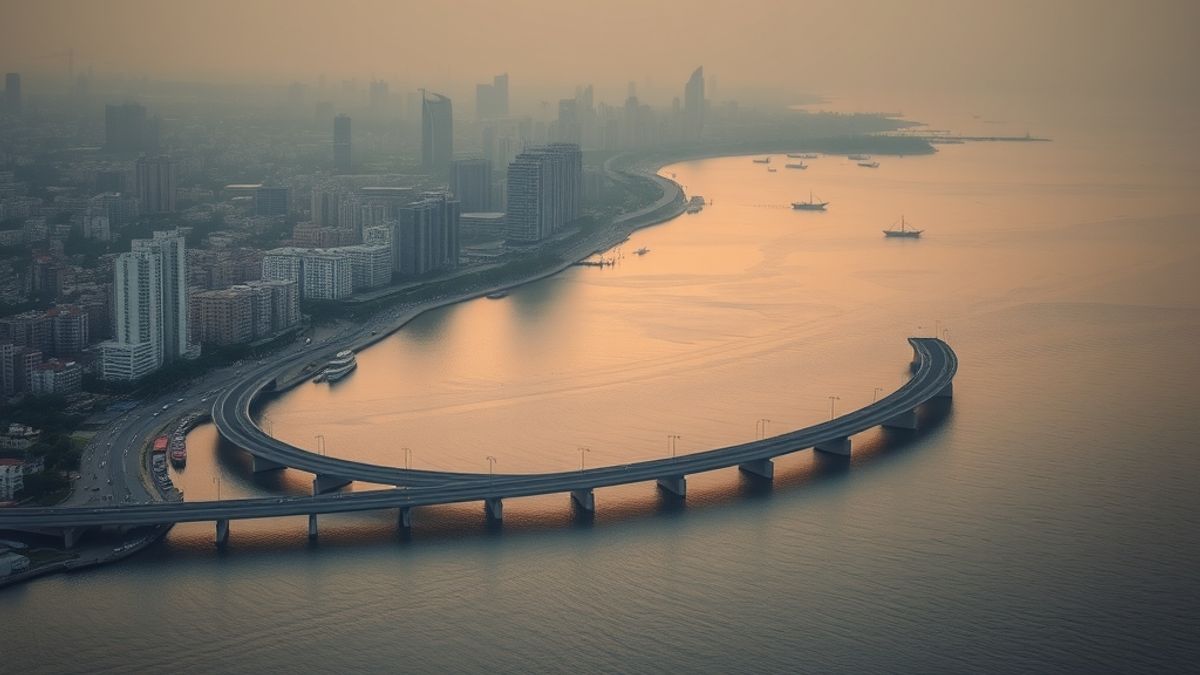
The initiative's success has important implications for Mumbai, as the city faces its own set of challenges related to stormwater management and urban resilience. By adopting a similar approach, Mumbai can reduce its infrastructure costs while also improving its environmental sustainability and quality of life for residents.
Frequently asked questions
What is the Bluebelt initiative?
The Bluebelt initiative is a strategic framework that uses natural wetlands for stormwater management, integrating both green and grey infrastructure to manage runoff efficiently.
How much did New York City save with the Bluebelt initiative?
New York City saved $80 million in infrastructure costs by adopting the Bluebelt initiative.