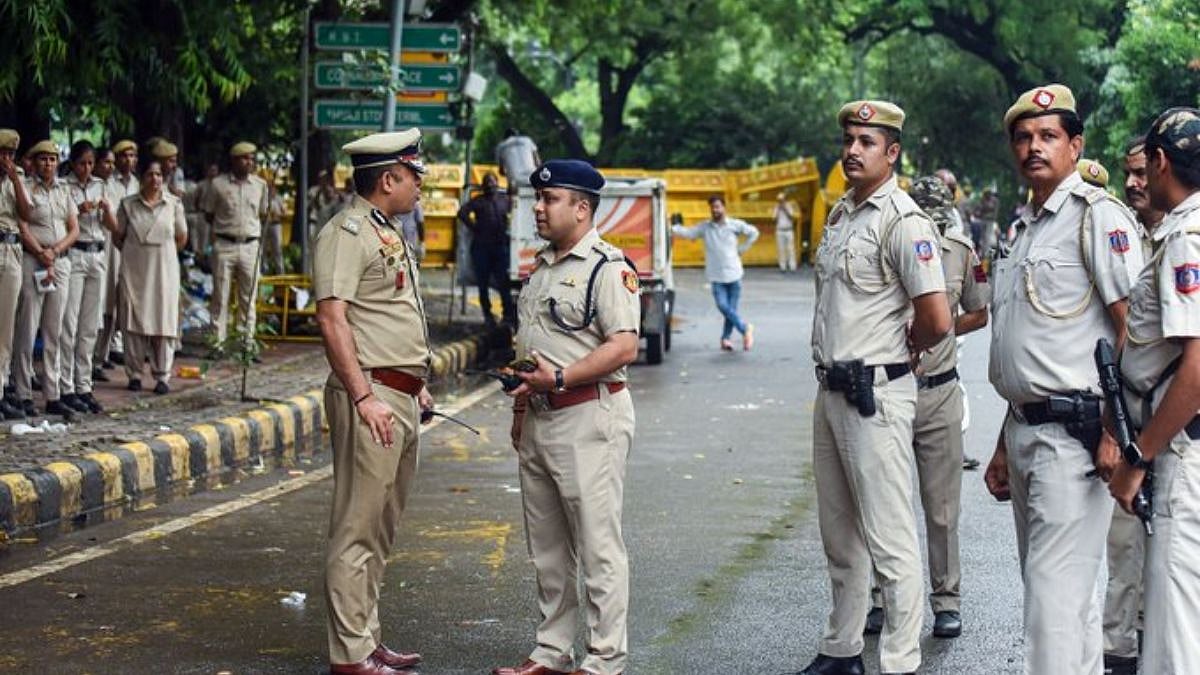
Himachal CM Sukhu Reduces IAS Officers
Himachal CM Sukhvinder Singh Sukhu downsizes IAS officers, sparks controversy. Bureaucracy unsettled, experts weigh in.
'%3E%3Crect%20width%3D'96'%20height%3D'96'%20fill%3D'%231A5276'%2F%3E%3Ccircle%20cx%3D'30'%20cy%3D'24'%20r%3D'44'%20fill%3D'%23fff'%20opacity%3D'.12'%2F%3E%3Ccircle%20cx%3D'60'%20cy%3D'74'%20r%3D'40'%20fill%3D'%23000'%20opacity%3D'.10'%2F%3E%3C%2Fg%3E%3Cg%20fill%3D'%23fff'%3E%3Cpath%20d%3D'M31%2041%20L48%2031%20L65%2041%20Z'%2F%3E%3Crect%20x%3D'33'%20y%3D'43'%20width%3D'4'%20height%3D'17'%2F%3E%3Crect%20x%3D'41'%20y%3D'43'%20width%3D'4'%20height%3D'17'%2F%3E%3Crect%20x%3D'51'%20y%3D'43'%20width%3D'4'%20height%3D'17'%2F%3E%3Crect%20x%3D'59'%20y%3D'43'%20width%3D'4'%20height%3D'17'%2F%3E%3Crect%20x%3D'30'%20y%3D'62'%20width%3D'36'%20height%3D'4'%20rx%3D'1'%2F%3E%3C%2Fg%3E%3C%2Fsvg%3E)
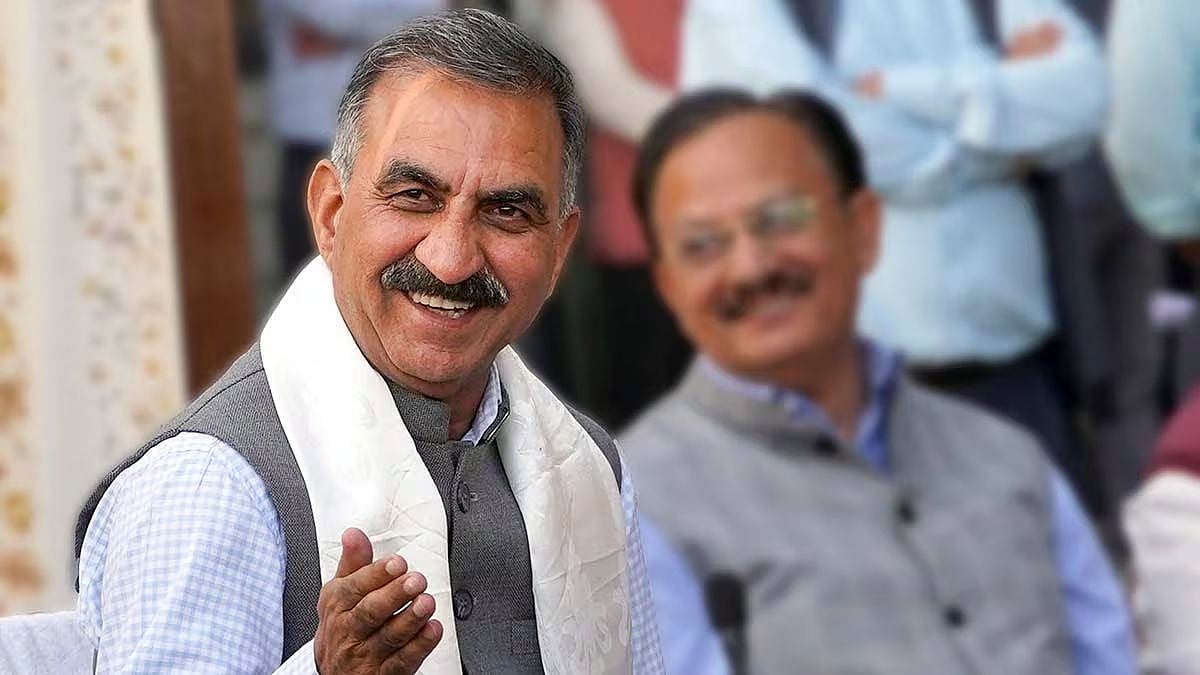
Himachal Pradesh Chief Minister Sukhvinder Singh Sukhu has taken a bold step by reducing the strength of IAS, IFS, and other senior officers in the state. This move is part of his 'Vavastha Parivartan' initiative, which aims to bring about a change in the system.
The decision has been met with resistance from sections of the bureaucracy, with several senior former bureaucrats expressing concerns that the reduction could lead to an additional burden on the remaining officers and affect administrative efficiency. However, Sukhu remains unconvinced, arguing that the state's limited financial resources cannot support an oversized senior bureaucracy.
The move has sparked a controversy that goes beyond just numbers, challenging the deeply entrenched bureaucratic culture and the long-held supremacy of bureaucrats over politicians. Experts point out that bureaucrats tend to close ranks when their institutional interests are involved, often rising above political affiliations.
Sukhu's proposal involves reducing the sanctioned IAS cadre from 153 to 130, while the IFS cadre is proposed to fall from around 114 to 83. A reduction in the IPS cadre is also under consideration. The annual cost of maintaining the large cadre is estimated to be around ₹200 crore, which Sukhu argues is a significant burden on the state.
The move is being presented as a financial prudence and administrative rationalisation measure. However, it has disturbed an arrangement that has survived political changes, and bureaucrats who have held sway under successive governments are now facing a Chief Minister willing to question their numbers, cost, and institutional weight.
The larger issue is whether the bureaucracy can objectively assess a reform that directly affects its own strength and influence. Experts argue that bureaucrats have traditionally tended to prioritize their institutional interests, often at the expense of political considerations.
Sukhu's initiative has significant implications for the state's administrative setup and the role of bureaucrats in the system. It remains to be seen how the bureaucracy will respond to this challenge and whether the move will lead to a more efficient and effective administrative system.
In the context of Indian bureaucracy, this move is significant as it challenges the long-held notion of bureaucrats being a breed apart, often considering themselves more permanent and powerful than the political class. The outcome of this initiative will be closely watched, and its impact on the state's governance and administrative efficiency will be a subject of interest for experts and observers.
The reduction in the strength of IAS officers is a significant development in the state's administrative landscape. It reflects the Chief Minister's willingness to challenge the status quo and bring about a change in the system. The move is expected to have far-reaching implications for the state's governance and administrative setup.
In conclusion, Sukhu's move to reduce the strength of IAS officers is a bold step that challenges the entrenched bureaucratic culture and supremacy. The outcome of this initiative will be closely watched, and its impact on the state's governance and administrative efficiency will be a subject of interest for experts and observers.
The decision to reduce the strength of IAS officers is a significant one, and its implications will be felt in the days to come. The state's bureaucracy will need to adapt to the new reality, and it remains to be seen how they will respond to this challenge. One thing is certain, however - Sukhu's move has stirred a controversy that will have far-reaching implications for the state's administrative setup.
The move is a significant development in the state's administrative landscape, and it reflects the Chief Minister's willingness to challenge the status quo. The reduction in the strength of IAS officers is expected to lead to a more efficient and effective administrative system, and it will be interesting to see how the bureaucracy responds to this challenge.
The Chief Minister's decision to reduce the strength of IAS officers is a bold step, and it has significant implications for the state's governance and administrative setup. The move is expected to lead to a more efficient and effective administrative system, and it will be closely watched by experts and observers.
The reduction in the strength of IAS officers is a significant development in the state's administrative landscape, and it reflects the Chief Minister's willingness to challenge the status quo. The move is expected to have far-reaching implications for the state's governance and administrative setup, and it will be interesting to see how the bureaucracy responds to this challenge.
The decision to reduce the strength of IAS officers is a significant one, and its implications will be felt in the days to come. The state's bureaucracy will need to adapt to the new reality, and it remains to be seen how they will respond to this challenge. One thing is certain, however - Sukhu's move has stirred a controversy that will have far-reaching implications for the state's administrative setup.
The move is a significant development in the state's administrative landscape, and it reflects the Chief Minister's willingness to challenge the status quo. The reduction in the strength of IAS officers is expected to lead to a more efficient and effective administrative system, and it will be interesting to see how the bureaucracy responds to this challenge.
The Chief Minister's decision to reduce the strength of IAS officers is a bold step, and it has significant implications for the state's governance and administrative setup. The move is expected to lead to a more efficient and effective administrative system, and it will be closely watched by experts and observers.
The reduction in the strength of IAS officers is a significant development in the state's administrative landscape, and it reflects the Chief Minister's willingness to challenge the status quo. The move is expected to have far-reaching implications for the state's governance and administrative setup, and it will be interesting to see how the bureaucracy responds to this challenge.
In the end, the decision to reduce the strength of IAS officers is a significant one, and its implications will be felt in the days to come. The state's bureaucracy will need to adapt to the new reality, and it remains to be seen how they will respond to this challenge.
The move has significant implications for the state's administrative setup and the role of bureaucrats in the system. It remains to be seen how the bureaucracy will respond to this challenge and whether the move will lead to a more efficient and effective administrative system.
The outcome of this initiative will be closely watched, and its impact on the state's governance and administrative efficiency will be a subject of interest for experts and observers. The reduction in the strength of IAS officers is a significant development in the state's administrative landscape, and it reflects the Chief Minister's willingness to challenge the status quo.
The decision to reduce the strength of IAS officers is a bold step, and it has significant implications for the state's governance and administrative setup. The move is expected to lead to a more efficient and effective administrative system, and it will be closely watched by experts and observers.
The reduction in the strength of IAS officers is a significant development in the state's administrative landscape, and it reflects the Chief Minister's willingness to challenge the status quo. The move is expected to have far-reaching implications for the state's governance and administrative setup, and it will be interesting to see how the bureaucracy responds to this challenge.
The move is a significant development in the state's administrative landscape, and it reflects the Chief Minister's willingness to challenge the status quo. The reduction in the strength of IAS officers is expected to lead to a more efficient and effective administrative system, and it will be interesting to see how the bureaucracy responds to this challenge.
The Chief Minister's decision to reduce the strength of IAS officers is a bold step, and it has significant implications for the state's governance and administrative setup. The move is expected to lead to a more efficient and effective administrative system, and it will be closely watched by experts and observers.
The reduction in the strength of IAS officers is a significant development in the state's administrative landscape, and it reflects the Chief Minister's willingness to challenge the status quo. The move is expected to have far-reaching implications for the state's governance and administrative setup, and it will be interesting to see how the bureaucracy responds to this challenge.
In conclusion, the decision to reduce the strength of IAS officers is a significant one, and its implications will be felt in the days to come. The state's bureaucracy will need to adapt to the new reality, and it remains to be seen how they will respond to this challenge.
What it means for Mumbai or India is that the move by the Himachal Pradesh Chief Minister could set a precedent for other states to follow, potentially leading to a more efficient and effective administrative system across the country. The implications of this move will be closely watched, and its impact on the country's governance and administrative efficiency will be a subject of interest for experts and observers.
Frequently asked questions
Why is Himachal CM reducing IAS officers?
The move is part of the Chief Minister's 'Vavastha Parivartan' initiative, which aims to bring about a change in the system and reduce the financial burden on the state.
How many IAS officers will be reduced?
The sanctioned IAS cadre will be reduced from 153 to 130, while the IFS cadre will be reduced from around 114 to 83.