Lok Sabha Refers FCRA Bill to JPC
FCRA bill sparks uproar, opposition calls it anti-minority.
'%3E%3Crect%20width%3D'96'%20height%3D'96'%20fill%3D'%231A5276'%2F%3E%3Ccircle%20cx%3D'30'%20cy%3D'24'%20r%3D'44'%20fill%3D'%23fff'%20opacity%3D'.12'%2F%3E%3Ccircle%20cx%3D'60'%20cy%3D'74'%20r%3D'40'%20fill%3D'%23000'%20opacity%3D'.10'%2F%3E%3C%2Fg%3E%3Cg%20fill%3D'%23fff'%3E%3Cpath%20d%3D'M31%2041%20L48%2031%20L65%2041%20Z'%2F%3E%3Crect%20x%3D'33'%20y%3D'43'%20width%3D'4'%20height%3D'17'%2F%3E%3Crect%20x%3D'41'%20y%3D'43'%20width%3D'4'%20height%3D'17'%2F%3E%3Crect%20x%3D'51'%20y%3D'43'%20width%3D'4'%20height%3D'17'%2F%3E%3Crect%20x%3D'59'%20y%3D'43'%20width%3D'4'%20height%3D'17'%2F%3E%3Crect%20x%3D'30'%20y%3D'62'%20width%3D'36'%20height%3D'4'%20rx%3D'1'%2F%3E%3C%2Fg%3E%3C%2Fsvg%3E)
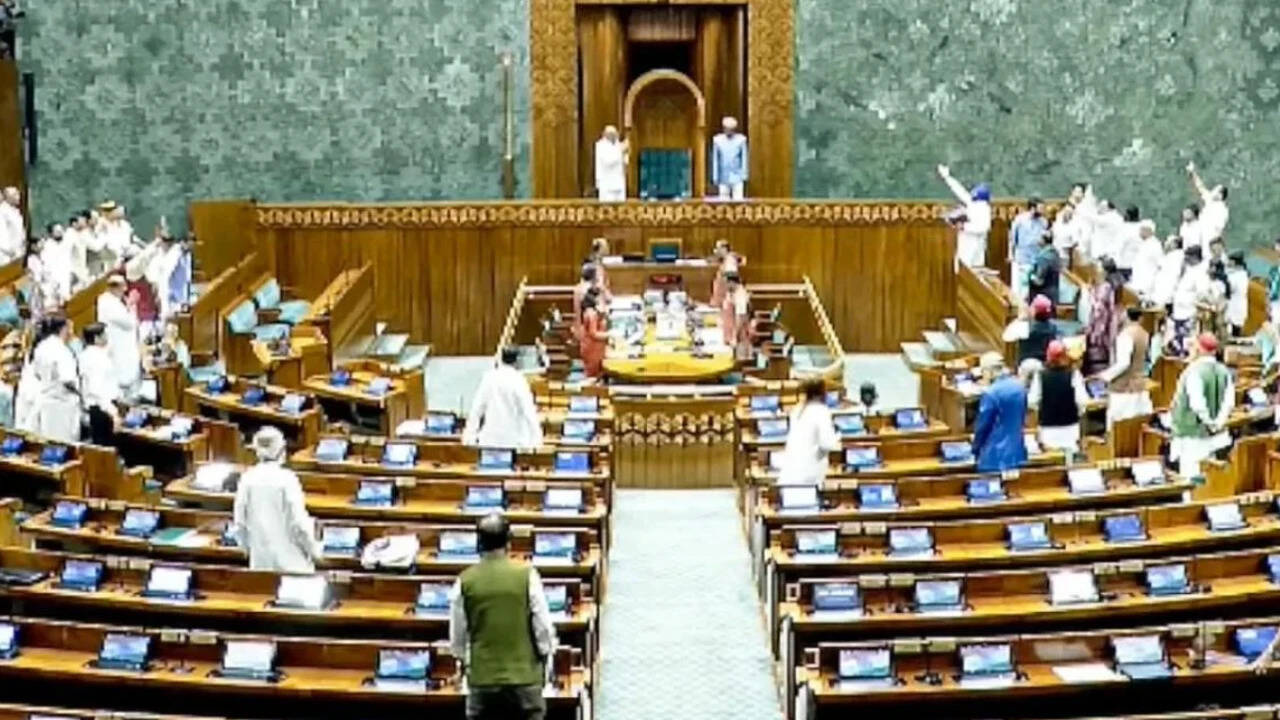
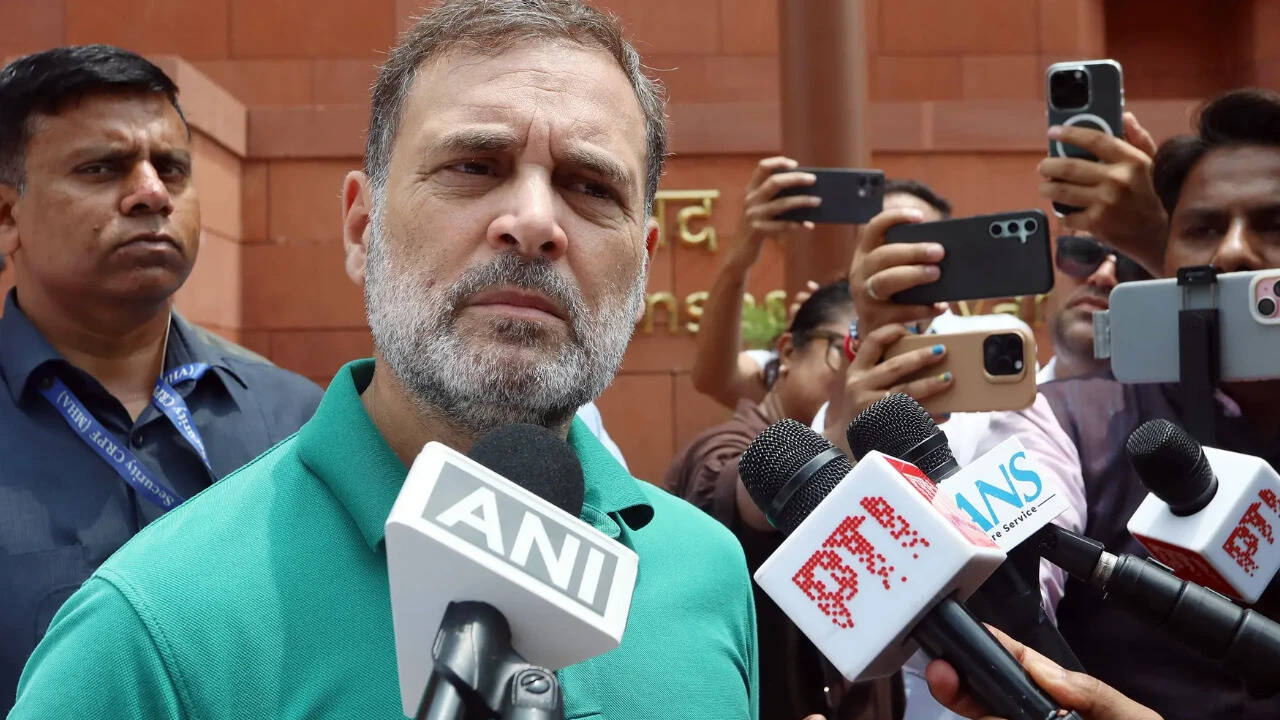
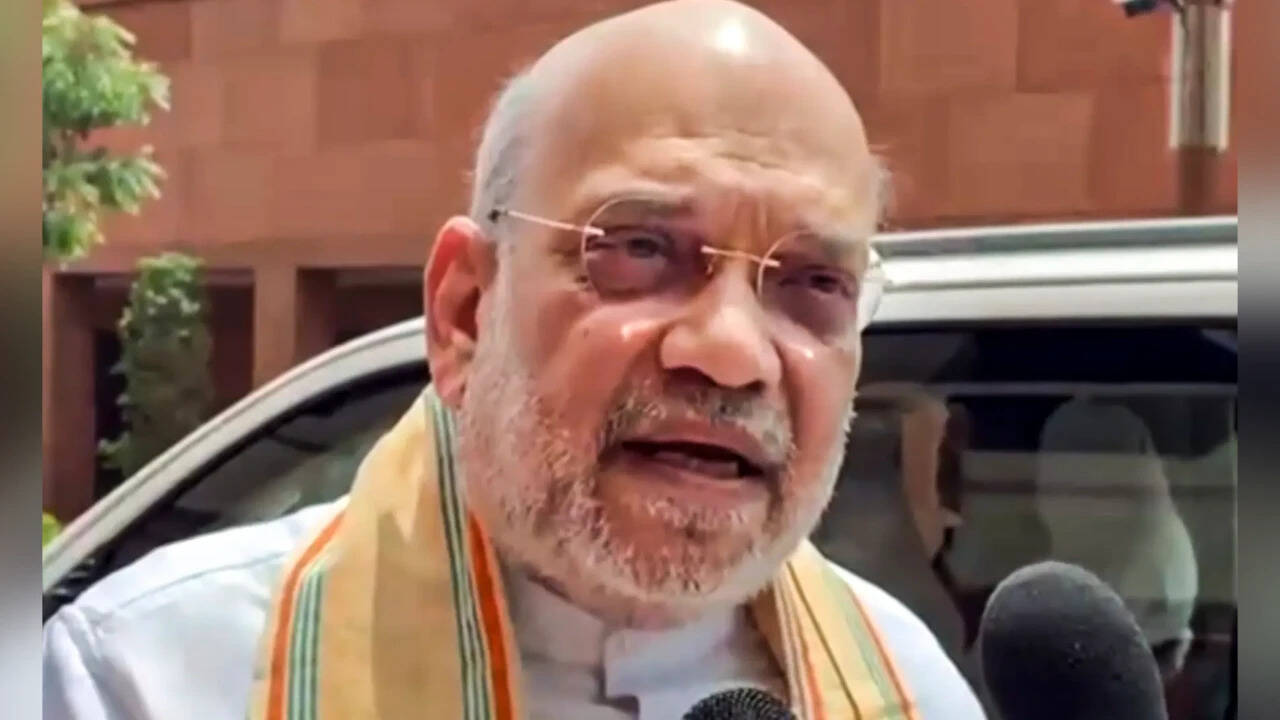
The Lok Sabha has referred the Foreign Contribution (Regulation) Amendment Bill, 2020 to a Joint Parliamentary Committee (JPC) amid intense opposition from various parties.
The decision was made after a heated debate on the bill, with opposition members calling it 'anti-minority' and alleging that it was an attempt to target certain communities.
The FCRA bill aims to regulate the acceptance and utilization of foreign contributions by individuals, associations, and companies in India. However, opposition parties have raised concerns that the bill could be used to harass and intimidate non-governmental organizations (NGOs) and other groups that receive foreign funding.
The opposition's criticism of the bill centers around the provision that allows the government to suspend or cancel the registration of an NGO if it is found to have violated the provisions of the act. They argue that this provision could be misused to target organizations that are critical of the government or are working on issues related to human rights and social justice.
The government, on the other hand, has maintained that the bill is necessary to prevent the misuse of foreign funds and to ensure that NGOs are transparent and accountable in their activities. They argue that the bill will help to prevent foreign interference in India's internal affairs and will ensure that NGOs are not used as a front for anti-national activities.
The FCRA bill has been a subject of controversy since its introduction, with many NGOs and civil society groups expressing concerns about its provisions. The bill has also been criticized by international organizations, including the United Nations, which has expressed concerns about the impact of the bill on human rights and freedom of association.
The Joint Parliamentary Committee (JPC) will now examine the bill and submit its report to the Lok Sabha. The JPC will consist of members from both the Lok Sabha and the Rajya Sabha and will be headed by a chairperson appointed by the Speaker of the Lok Sabha.
The referral of the FCRA bill to the JPC is seen as a significant development, as it will allow for a more detailed examination of the bill and its provisions. The opposition parties have welcomed the decision, saying that it will provide an opportunity for a more nuanced discussion on the bill and its implications.
In the context of Indian politics, the FCRA bill is significant because it reflects the government's efforts to regulate and monitor the activities of NGOs and other groups that receive foreign funding. The bill is also seen as part of the government's broader efforts to promote transparency and accountability in the non-profit sector.
The implications of the FCRA bill are far-reaching, and its provisions could have a significant impact on the functioning of NGOs and other groups that receive foreign funding. The bill's provisions could also have implications for India's relations with foreign countries and international organizations, as it could be seen as an attempt to restrict the flow of foreign funds into the country.
In conclusion, the referral of the FCRA bill to the JPC is a significant development that reflects the intense opposition to the bill from various parties. The bill's provisions have been criticized for being 'anti-minority' and for potentially restricting the activities of NGOs and other groups that receive foreign funding. The JPC's examination of the bill will provide an opportunity for a more detailed discussion on its provisions and implications.
Frequently asked questions
What is the FCRA bill?
The FCRA bill aims to regulate the acceptance and utilization of foreign contributions by individuals, associations, and companies in India.
Why is the opposition criticizing the FCRA bill?
The opposition is criticizing the bill for its provisions that could be used to harass and intimidate NGOs and other groups that receive foreign funding, and for potentially targeting certain communities.