SC Reluctant on Paper Leak PIL
SC hesitant to take up paper leak case. What can courts do?
'%3E%3Crect%20width%3D'96'%20height%3D'96'%20fill%3D'%231A5276'%2F%3E%3Ccircle%20cx%3D'30'%20cy%3D'24'%20r%3D'44'%20fill%3D'%23fff'%20opacity%3D'.12'%2F%3E%3Ccircle%20cx%3D'60'%20cy%3D'74'%20r%3D'40'%20fill%3D'%23000'%20opacity%3D'.10'%2F%3E%3C%2Fg%3E%3Cg%20fill%3D'%23fff'%3E%3Cpath%20d%3D'M31%2041%20L48%2031%20L65%2041%20Z'%2F%3E%3Crect%20x%3D'33'%20y%3D'43'%20width%3D'4'%20height%3D'17'%2F%3E%3Crect%20x%3D'41'%20y%3D'43'%20width%3D'4'%20height%3D'17'%2F%3E%3Crect%20x%3D'51'%20y%3D'43'%20width%3D'4'%20height%3D'17'%2F%3E%3Crect%20x%3D'59'%20y%3D'43'%20width%3D'4'%20height%3D'17'%2F%3E%3Crect%20x%3D'30'%20y%3D'62'%20width%3D'36'%20height%3D'4'%20rx%3D'1'%2F%3E%3C%2Fg%3E%3C%2Fsvg%3E)
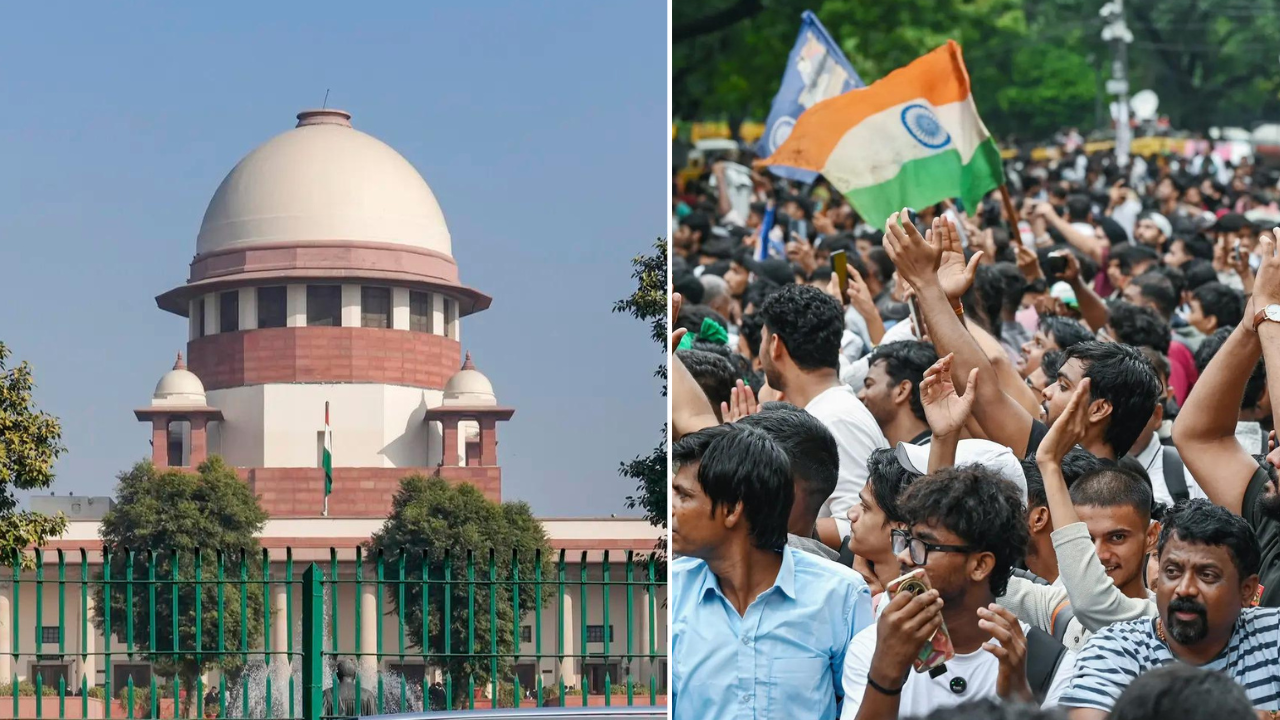
The Supreme Court has expressed reluctance to take up a Public Interest Litigation (PIL) regarding paper leaks. The court's hesitation stems from the question of what and how much the judiciary can do in such matters.
The PIL was filed in response to recent instances of paper leaks in various examinations. The petitioner sought the court's intervention to address the issue and prevent future occurrences. However, the Supreme Court has raised concerns about its role in resolving the problem.
The court's decision to exercise caution is likely due to the complexity of the issue and the need for a comprehensive solution. Paper leaks are often the result of systemic failures and require a multi-faceted approach to prevent. The judiciary may not have the necessary tools or expertise to tackle the issue alone.
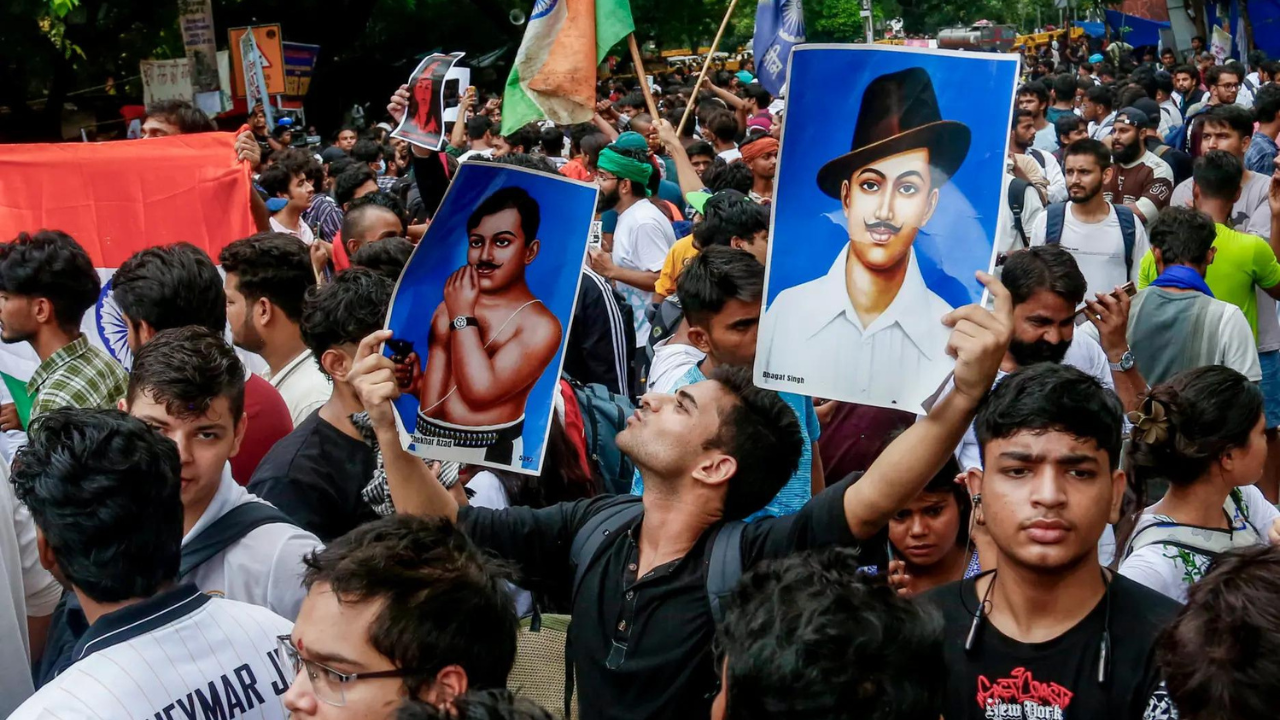
In recent years, there have been several instances of paper leaks in high-stakes examinations, leading to widespread outrage and calls for reform. The issue has sparked debates about the effectiveness of current examination systems and the need for more robust security measures.
The Supreme Court's reluctance to take up the PIL may be seen as a reflection of the limitations of the judiciary in addressing certain types of problems. While the court can provide guidance and oversight, it may not be equipped to implement the necessary changes to prevent paper leaks.
The issue of paper leaks is not new to India, and it has been a persistent problem in various examinations. The government and examination authorities have been working to address the issue, but more needs to be done to prevent future occurrences.
In the absence of a clear solution, the Supreme Court may be hesitant to intervene, fearing that its actions may not be effective in resolving the issue. The court's decision highlights the need for a collaborative approach to address the problem, involving the government, examination authorities, and other stakeholders.
The reluctance of the Supreme Court to take up the PIL on paper leaks serves as a reminder of the complexities of the issue and the need for a comprehensive solution. It also underscores the importance of addressing the root causes of the problem, rather than just treating its symptoms.
Ultimately, the issue of paper leaks requires a sustained effort from all stakeholders to prevent future occurrences. The Supreme Court's decision may be seen as a call to action, urging the government and examination authorities to take concrete steps to address the problem and ensure the integrity of examinations in India.
The impact of the Supreme Court's decision will be closely watched, as it may have implications for the future of examination systems in India. As the country continues to grapple with the issue of paper leaks, it is essential to find a solution that balances the need for security with the need for fairness and accessibility in examinations.
The Supreme Court's reluctance to take up the PIL on paper leaks is a significant development, and it highlights the need for a nuanced approach to addressing the issue. As the debate continues, it is essential to consider the complexities of the problem and the need for a comprehensive solution that involves all stakeholders.
In conclusion, the Supreme Court's decision to exercise caution in taking up the PIL on paper leaks reflects the complexities of the issue and the need for a collaborative approach to address the problem. The issue requires a sustained effort from all stakeholders to prevent future occurrences and ensure the integrity of examinations in India.
Frequently asked questions
What is the Supreme Court's stance on the paper leak PIL?
The Supreme Court has expressed reluctance to take up the PIL, questioning its role in addressing the issue.
Why is the Supreme Court hesitant to intervene?
The court is hesitant due to the complexity of the issue and the need for a comprehensive solution, which may require a collaborative approach from all stakeholders.